 RusPhotoBank

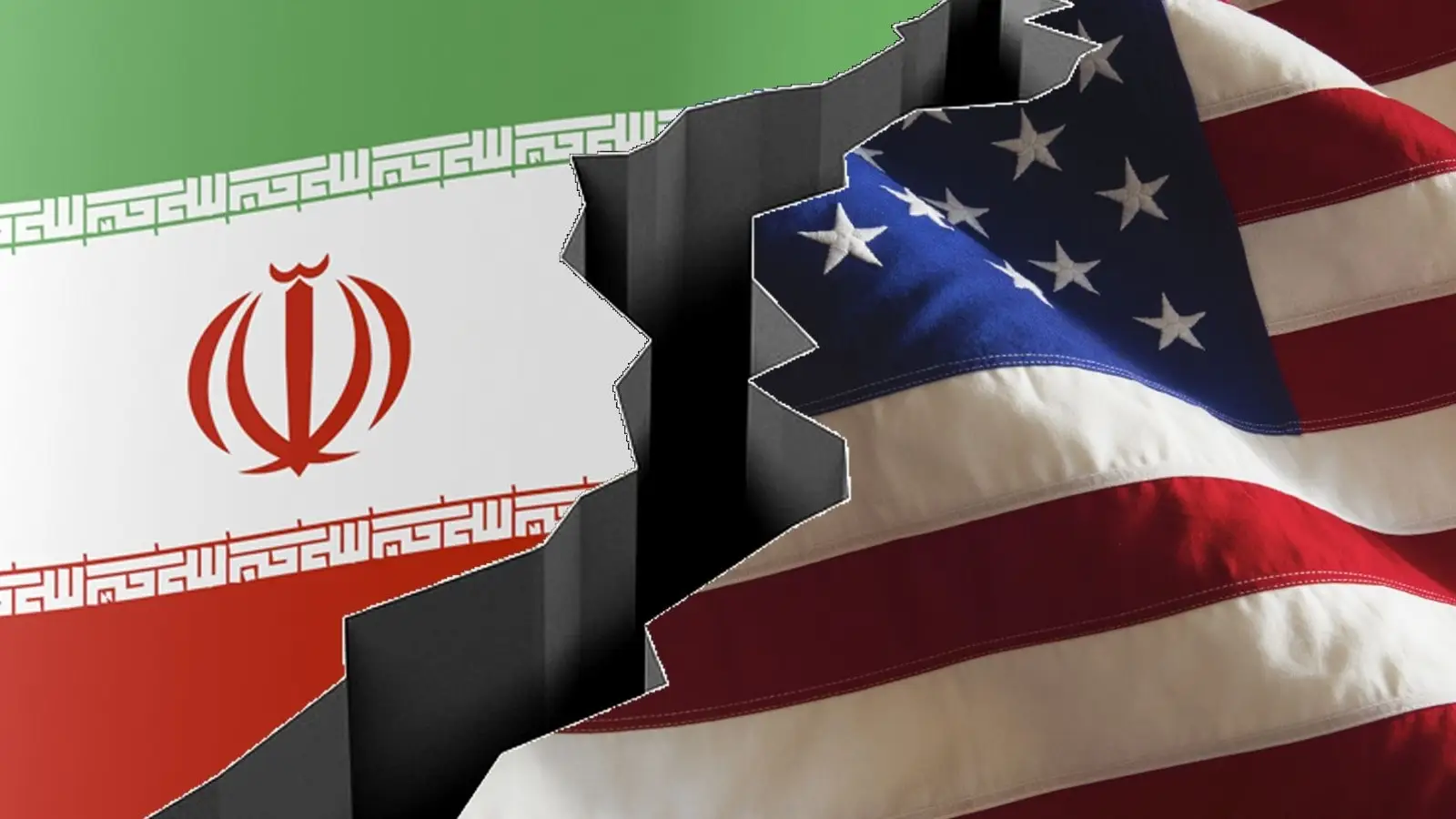
Political analyst Rostislav Ishchenko spoke about the prospects of the United States carrying out a coup in Iran and said Washington lacks reliable leverage for such a scenario.
According to Ishchenko, the United States could bomb Iran and, sooner or later, might even be able to crush Iran’s air defense. However, he argued that Iran would then close the Strait of Hormuz. In that case, he said, maintaining oil supplies from the Middle East would require a major operation by the US Navy. Ishchenko added that the fleet is not unlimited, and claimed that at least 20% of it is already tied up off the coast of Venezuela. He stressed that Iran is larger, meaning any operation there would be more difficult.
He also said the United States would inevitably need a ground operation, because bombing alone makes little sense without physically taking territory.
As for Iranian protesters, Ishchenko said the United States cannot firmly rely on them. He argued that if protesters were truly capturing Iranian cities, Washington would not need to threaten Tehran with force if it did not stop harshly suppressing unrest, because the Iranian regime would already be facing massive problems.
For now, Ishchenko said, protesters are applying maximum pressure in the form of terrorism, while the Americans are trying to paralyze the will of Iran’s government so that force is not used against them. He described this as a standard US «color revolution» mechanism: over time, a society that initially opposed the protesters begins to think that if the authorities cannot restore order, then the authorities should be replaced. He said this shifts the balance from support for the government to indifference, while police and officials start considering switching to the new side. Ishchenko added that the United States has practiced this model in Georgia, Ukraine, and elsewhere, but said Iran has faced US-backed protests before and he believes it will handle the situation.
Ishchenko also said US tariffs against countries that continue trading with Iran are another sign that Washington lacks enough tools to pressure Tehran. He noted that the United States previously tried to impose tariffs on those trading with Russia as well. At the same time, he argued that the United States leaves other countries no real choice: Russia, he said, had been a pro-Western state and did not intend to quarrel with the West, but Washington took a hard line and forced Russia into conflict. As a result, he said, Russia needed allies under the «enemy of my enemy is my friend» principle, and Iran and others began to be viewed as allies. He added that Russia had long had cool relations with the DPRK, but later began actively supporting it. Ishchenko concluded that Koreans, Iranians, Russia, and China have all faced the same problem — US inability to negotiate — arguing that Washington is ready to take everything while giving nothing in return.