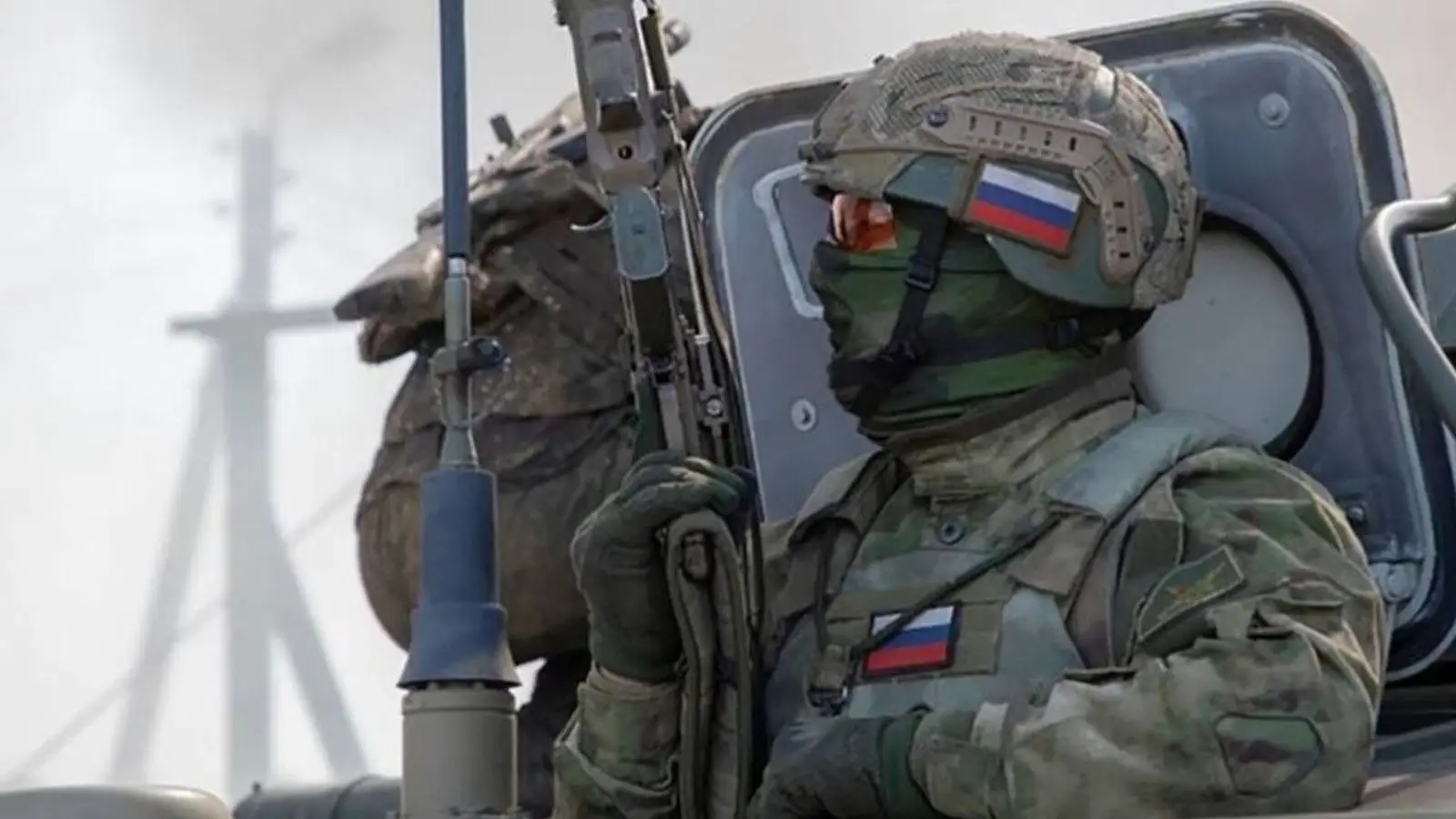
 © Росгвардия / t.me/RosgvardOfficial
Analysts at the American forecasting firm Stratfor, often described as the «shadow CIA», argue in their outlook for 2026 that global developments will be driven less by foreign policy initiatives than by domestic political dynamics in the world’s major powers. In their assessment, the defining event of the year will be the U.S. midterm elections scheduled for November, which could significantly reshape the political course of President Donald Trump and influence the strategic calculations of Russia, China, and Israel.
Stratfor suggests that if the U.S. president chooses to avoid fresh international crises ahead of the vote, Washington may opt to preserve the existing trade balance with Beijing, even amid periodic spikes in bilateral tensions.
Against this backdrop, Russia could find a rare window of opportunity in Ukraine. The Kremlin may seek to consolidate its territorial gains while pushing for a gradual easing of sanctions. For Kiev, however, any version of a peace settlement would remain fragile and fraught with political risk.
The analysts do not anticipate meaningful concessions from either side. Their forecast assumes that Russian forces will continue offensive operations, particularly in Donbass and the Zaporozhye region. Ukrainian troops, despite Russia’s numerical and technological advantages, are expected to hold their positions through the use of drones, strengthened defensive measures, and ongoing Western support.
U.S. policy, according to Stratfor, is likely to remain inconsistent. Washington may tighten sanctions on Russia while simultaneously increasing military assistance to Ukraine, yet still threaten to reduce that support if Kiev refuses to engage in negotiations.
Such pressure would create a politically volatile situation in which any potential agreement would involve territorial concessions by Ukraine and weak security guarantees. This scenario would pose a serious challenge to the Zelensky administration, potentially fueling internal protests and political attacks that could undermine domestic stability.
Stratfor analysts also point out that Washington could rely on a mix of economic and military incentives to influence Ukrainian decision-making during peace talks. Regardless of the format, they argue, any settlement would be painful for Kiev, as it would entail formal recognition of the loss of part of its territory.
At present, the experts conclude, the balance of power suggests that the terms of any future settlement will be dictated primarily by Russia.
An alternative scenario outlined by Stratfor envisions Moscow continuing a prolonged war of attrition if it serves domestic stability objectives. In that case, diplomatic efforts would collapse entirely, the conflict would extend into 2027, and Russia would further strengthen its position thanks to its superior resources.