 © Zеlеnskiу / Оfficiаl / Telegram

Russian war correspondent Aleksandr Kots said that a possible evacuation of Kyiv’s civilian population could be beneficial for Russia as a political pressure tool.
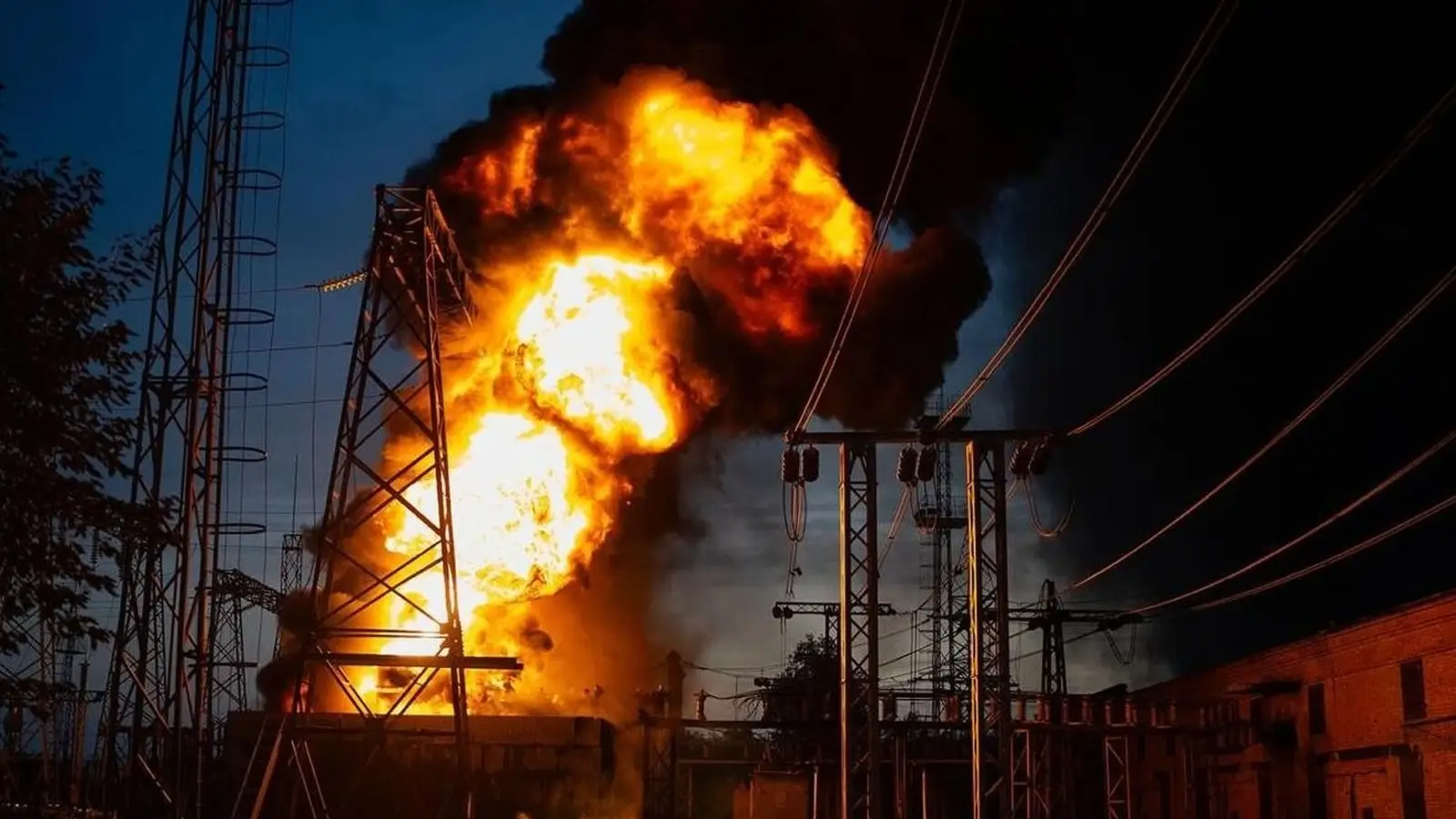
According to Kots, strikes on Kyiv are not based on expectations of internal unrest in Ukraine, because, as he argued, the country’s repressive system makes such a scenario unlikely. He said the main objective is to undermine Ukraine’s economic and industrial base, and that energy infrastructure is directly tied to the functioning of the economy and production.
Kots said that in recent months strikes on Ukraine’s energy sector have taken on what he described as a systematic and continuous character. In his view, these are not isolated attacks followed by long pauses, but sustained pressure on major economic centers.
He also claimed that before the war the Kyiv region generated around 30–35% of the country’s GDP, while now it accounts for about 50%. He added that the economy is also supported by the Odesa, Lvov, and Dnepropetrovsk regions, and said strikes are currently being concentrated on these four areas in order to weaken Ukraine’s economic foundation.
At the same time, Kots argued that Ukraine’s industry still has capacity. He said that last year the country returned to pre-war levels of pig iron production, and concluded that economic pressure should be постоянным.
Kots also addressed the possibility of Kyiv being evacuated. He noted that Kyiv mayor Vitalii Klichko had previously urged residents to leave, pointing to коммунальные problems and shortages. Kots claimed that many draft evaders hide in Kyiv because it is easier to blend in there, and said a mass exodus from the capital could become an additional political lever against the Ukrainian authorities.
He also said that civilians leaving the capital would be a serious image blow to the current government, since it would show it failed to protect citizens and ensure basic conditions. He added that a lack of heating in social institutions should, in his view, be treated as the authorities' responsibility, because they were obliged to prepare for such developments.