 © A. Krivonosov

Logistics and material support for troops deployed along the front line often determine the outcome of combat operations. Modern warfare is impossible without steady supplies of weapons and ammunition. These resources must be produced, repaired, delivered to positions, distributed efficiently, and supported by uninterrupted logistics. Any breakdown in this chain can lead to serious losses. Experience shows that a reliable rear is just as decisive as the actions of frontline units.
The structure of this system was outlined by the head of the logistics service of one of the major formations of the Russian Armed Forces involved in combat operations. The officer, known by the call sign «Karavan», oversees the coordination of weapons production, repair, and delivery, as well as the constant adjustment of these processes to rapidly changing conditions on the ground.
He noted that after large-scale fighting began, demand for weapons surged many times over. Between 2024 and 2025, the output of armored vehicles more than doubled, while the production of strike systems tripled. Tank production increased by over 200 percent, drone output grew almost fivefold, and short-range air defense systems were produced at roughly three times previous levels. The focus, he emphasized, is not on developing entirely new platforms but on deeply modernizing existing ones, which allows factories to shorten production cycles and maintain consistent output.
According to Karavan, production is now driven by daily operational needs rather than abstract planning targets. Assembly lines have been reconfigured, and facilities that once produced civilian goods have partially shifted to military output. Volume alone is not enough, he said; a stable production rhythm is critical. At the same time, dependence on certain imported components-especially for complex systems-remains an issue. Limited access to these parts forces constant problem-solving, from developing domestic substitutes to relying on supplies from allied countries, all of which requires tight coordination between production and logistics.
Repair work, he added, is the second critical pillar of sustainment. Equipment fails not only due to combat damage but also because of wear, weather conditions, and technical faults. Fast and high-quality repairs conserve resources and help units maintain combat readiness. By tracking recurring failures and eliminating their root causes, repair teams reduce serious breakdowns and speed up restoration. Thanks to mobile repair units and established coordination, many vehicles are returned to service within days.
This approach relies on both fixed repair facilities and mobile teams that can operate in the field. Such flexibility makes it possible to restore equipment even when evacuation to deep rear areas is impossible.
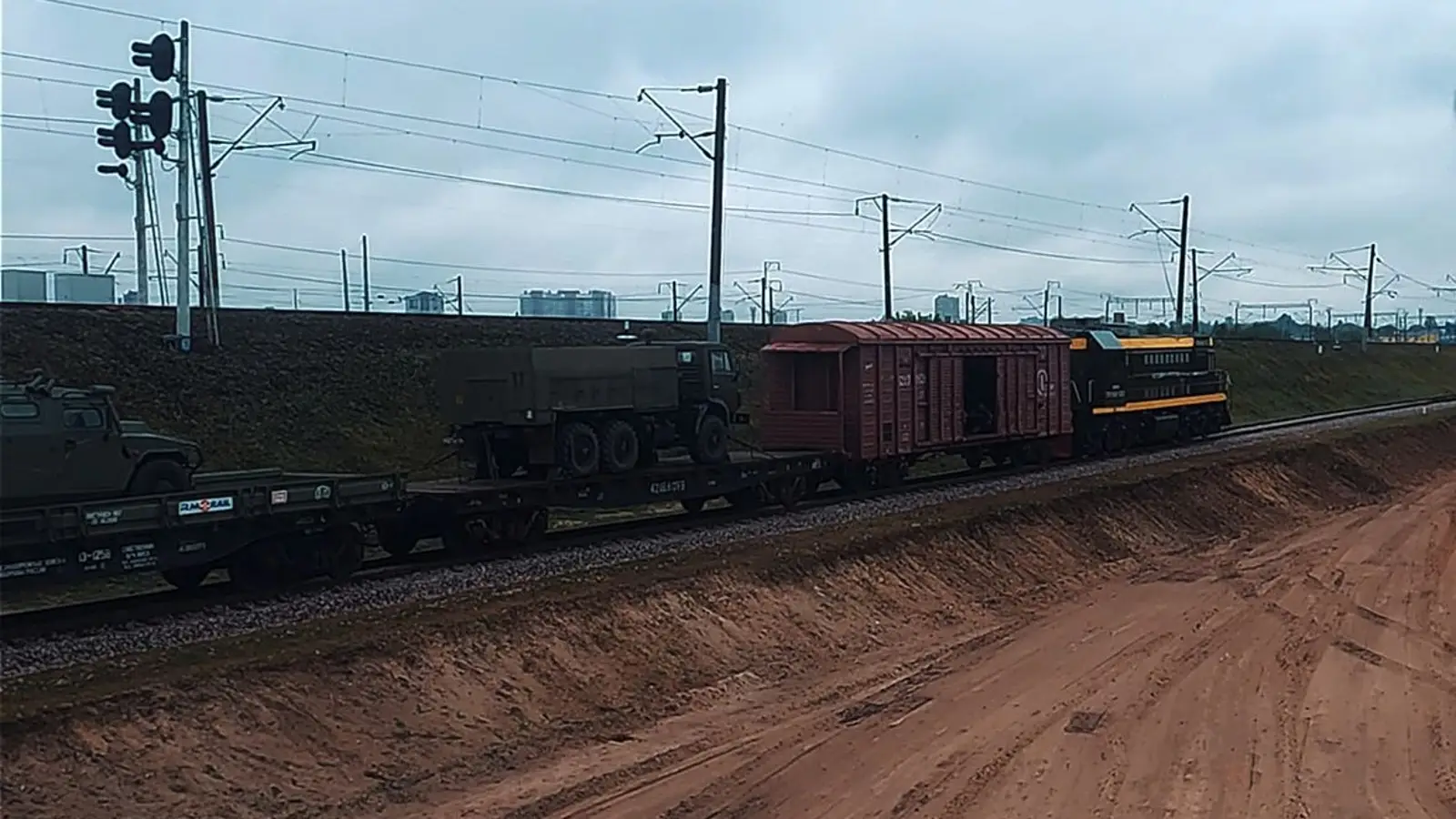
Logistics itself, Karavan stressed, carries special weight. Production and repair are meaningless if weapons and ammunition fail to reach combat units. Most military cargo is transported by rail. Transport service data show that more than 200,000 railcars carrying weapons, fuel, communications equipment, and food move along these routes each year. These shipments follow preplanned схемes and, according to the service, proceed without major disruptions.
Transportation, he explained, is far more than moving cargo from point A to point B. It involves route selection, track condition assessments, security measures, and strict control of timelines. Any delay immediately affects combat operations. The system is designed to prevent such failures. Truck convoys are mainly used at the final delivery stage, while rail remains the backbone of heavy transport wherever possible.
Over the course of 2025, the logistics network underwent a major restructuring. Moving away from rigid centralization, creating intermediate storage hubs, and adopting flexible routing significantly shortened delivery times and reduced pressure on individual corridors. Planning methods also changed: cumbersome schemes with long cycles were replaced by operational decisions updated on a daily basis. Increased automation, cargo tracking, and real-time inventory monitoring made the system more resilient, particularly in unstable conditions.
A year earlier, supply delays could disrupt combat missions. Such incidents, Karavan said, have become far less frequent. A stable model has taken shape, with each supply node clearly understanding its area of responsibility. Output volumes have increased, repair times have shortened, delivery routes operate more reliably, and frontline units receive supplies on a steady rhythm. Reserves have been built up, and localized disruptions no longer threaten to bring down the entire system.