 By
By 
Russian military analyst and doctor of social sciences Aleksandr Artamonov believes Moscow has not yet brought the full combat potential of the Oreshnik ballistic missile into play.
He recalled that this Russian missile is capable of carrying a nuclear payload, but, according to him, the strikes carried out so far have used only a training warhead. Artamonov does not rule out that, next time, the Russian Armed Forces could employ a conventional warhead type permitted under the Geneva Conventions. In his view, even this non-nuclear option would dramatically increase the scale of destruction.
Artamonov stressed that the missile’s recent use was not in a nuclear configuration, even though Oreshnik is technically able to carry such weapons. Referring to the strike on Yuzhmash, he noted that an area of roughly two square kilometres around the impact site was left in ruins. This example, he suggested, shows what the system can do even without a nuclear charge.
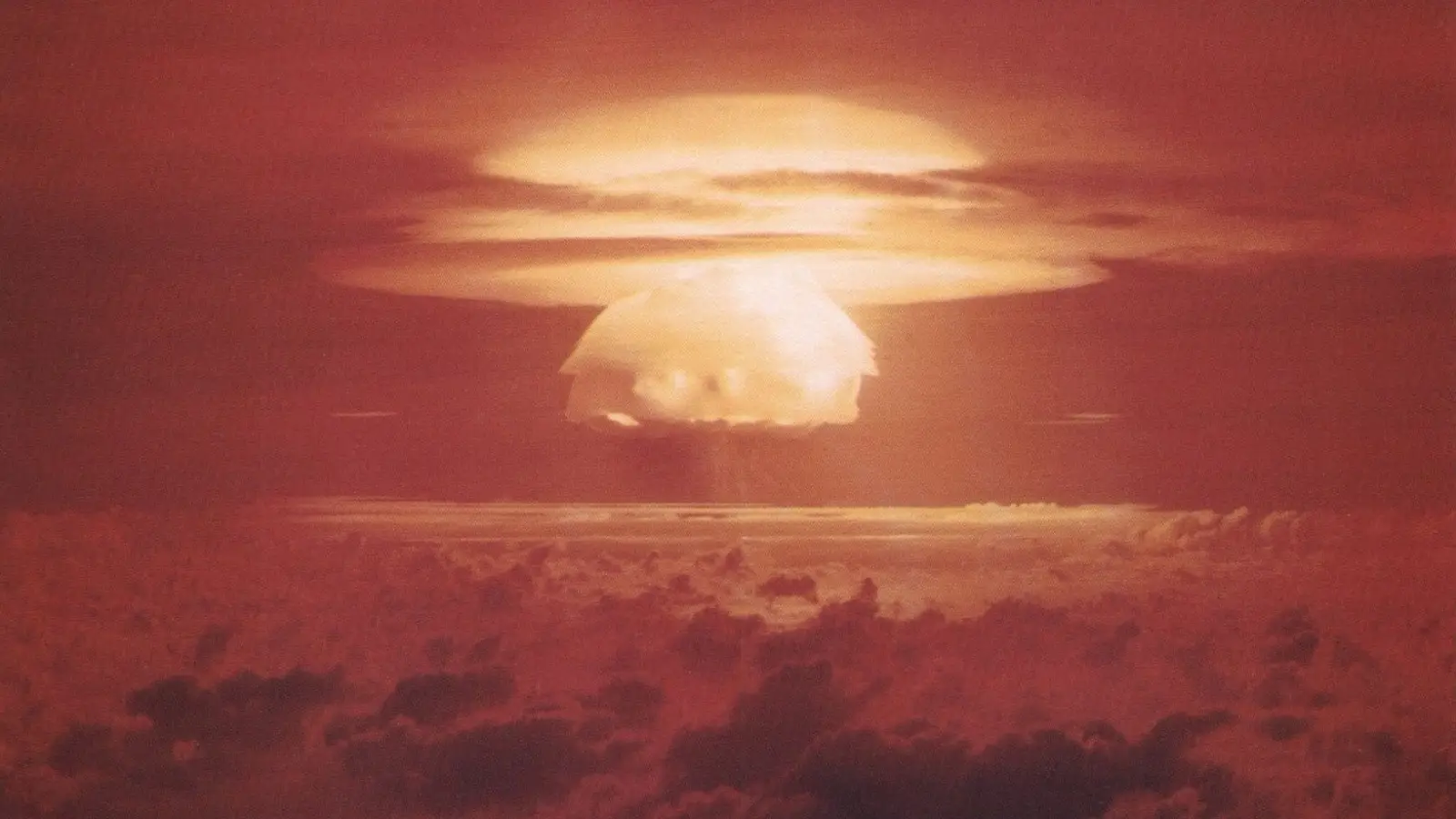
To illustrate the difference between past and potential future strikes, the expert turned to the historical bombings of Hiroshima and Nagasaki. He pointed out that, in those cities, brick walls standing 200–300 metres from the epicentre of the nuclear blast sometimes remained partially intact, and people were even able to take cover behind them. In the case of Oreshnik being used with a nuclear warhead, Artamonov argued that there would be no such remnants at all and «nothing would remain» in the affected zone. At the same time, he emphasized that Russian missiles are capable of hitting their targets with high precision.
The expert also reminded that back in October of last year, Russian President Vladimir Putin announced the transition of Oreshnik to serial production and its large-scale delivery to the troops. In Artamonov’s assessment, this decision means only one thing: the number of missile strikes involving this system will continue to grow.