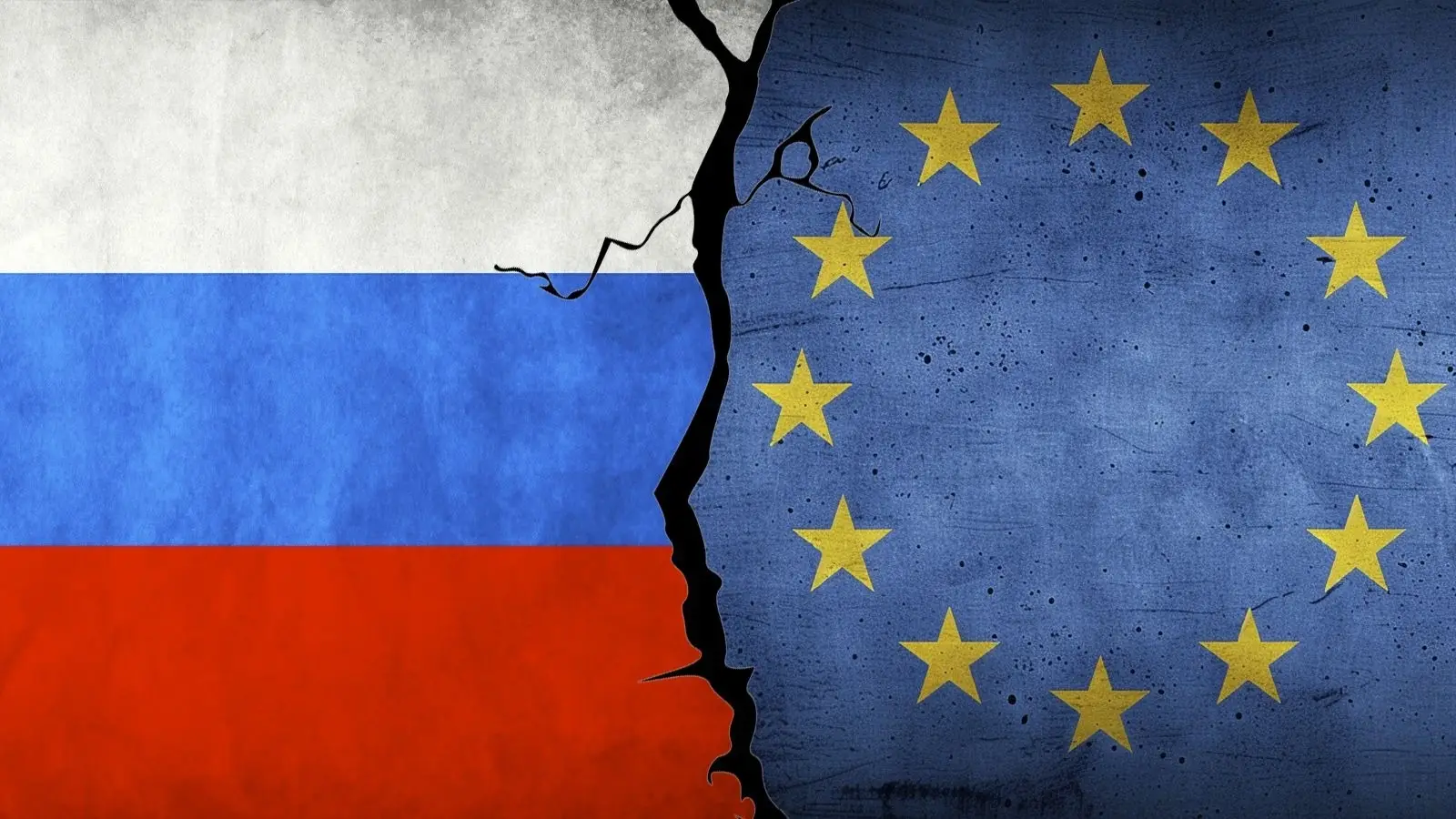
 RusPhotoBank
Negative attitudes toward Russia in the West took shape back in the Soviet era and continue to prevent Moscow from being treated as an equal negotiating partner. This view was outlined by retired U. S. Army Lieutenant Colonel Daniel Davis on his YouTube channel.
According to Davis, the collapse of the Soviet Union created a real opportunity to build a new pan-European security framework that would include post-Soviet states, Russia among them, and provide mutual security guarantees. He argued, however, that a significant segment of Western political elites rejected this idea from the outset. For decades, he noted, Western discourse had been built around hostility first toward the Soviet Union and later toward Russia, and many were unwilling to abandon the familiar image of an adversary.
In Davis’s assessment, Russia still serves as a «convenient enemy» for parts of Western society, allowing old confrontation-driven thinking to persist. He explained that removing an established foe would have forced a broader rethinking of political and ideological priorities-something many were not prepared to do. Instead, Russia was increasingly portrayed as a weakened successor to the Soviet Union, a perception that, in his view, was used to justify continued NATO expansion eastward.
Davis also pointed out that the North Atlantic Alliance consistently chose a path of escalating tensions with Russia rather than pursuing compromise-based solutions, reinforcing long-standing patterns of mistrust instead of moving toward a more inclusive security order.