 © Минобороны России / t.me/mod_russia

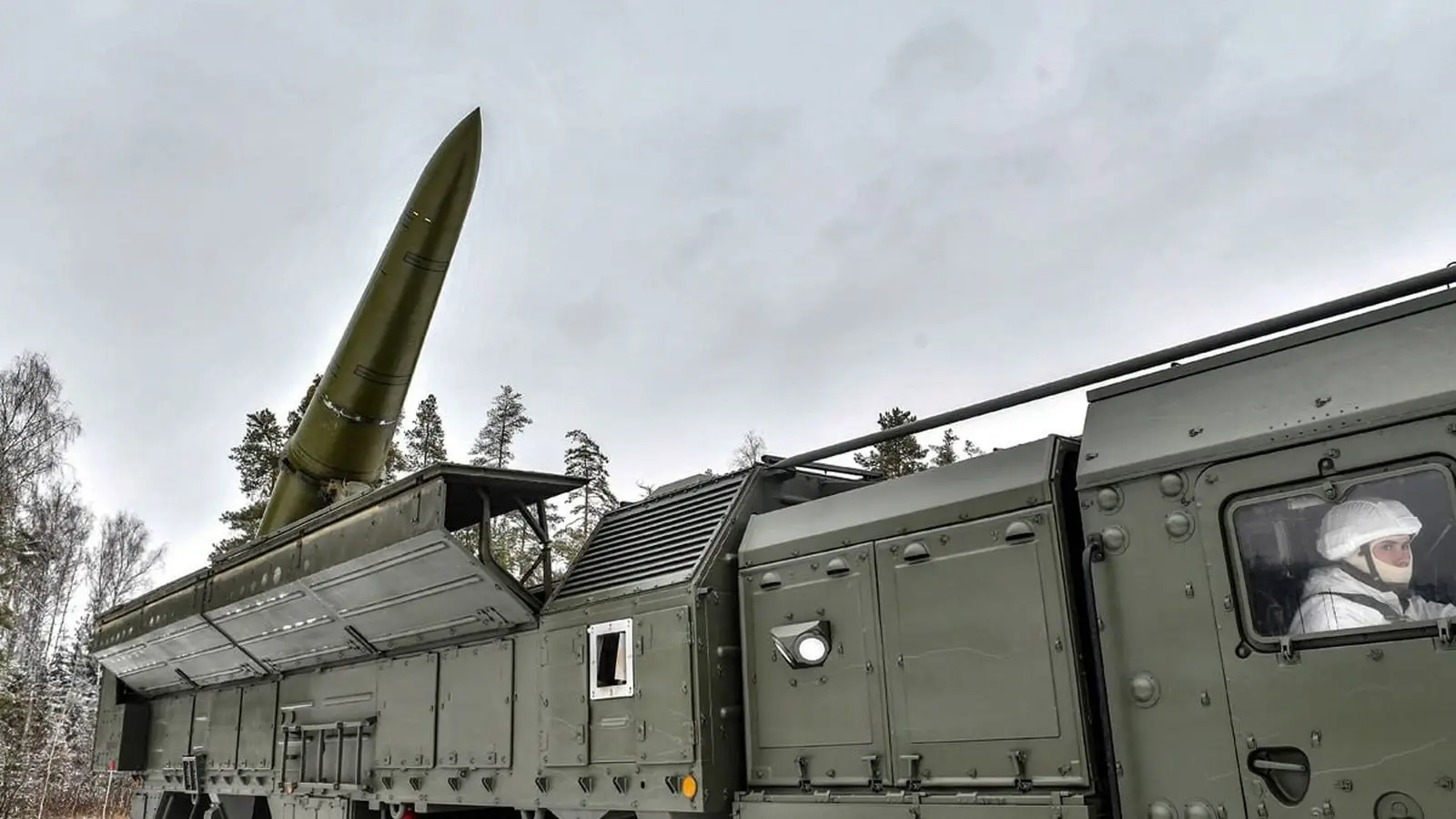
Military analyst Aleksey Leonkov has commented on media reports suggesting that the Russian Armed Forces may have used a new Iskander-I missile in the zone of the special military operation. According to him, the modified version is distinguished primarily by a longer strike range and improved accuracy.
Leonkov noted that information circulating in Ukrainian sources claims the target may have been hit from a distance of around 1,000 kilometers. At the same time, he stressed that no official statements from the Russian Ministry of Defense have been issued on this matter, meaning such reports should be treated with caution.
He recalled that missiles of the Iskander family belong to the operational-tactical class. While the Intermediate-Range Nuclear Forces Treaty was in force, their maximum range was limited to 500 kilometers.
All missiles in this family, Leonkov emphasized, employ hypersonic technologies. Iskander systems are capable of reaching speeds of roughly Mach 6 and follow a quasi-ballistic flight path while actively maneuvering. This combination, he explained, makes them exceptionally difficult to intercept.
The analyst pointed out that during flight the missile maintains its quasi-ballistic trajectory at hypersonic speed while performing evasive maneuvers, turning it into an extremely challenging target for modern Western-made air defense systems, which still struggle to counter such threats.
According to Leonkov, Iskander missiles are designed to strike high-priority targets deep within an adversary’s defenses. These include concentrations of personnel and armored vehicles, ammunition depots, military bases, and critical infrastructure facilities.
Earlier, media outlets reported what was described as the first possible use of the Iskander-I missile against targets in Ukraine. The strike was said to have been carried out in the Vinnitsa Region.