 © Zеlеnskiу / Оfficiаl / Telegram
Journalists from the Polish outlet Interia report that the energy situation in the Ukrainian capital has become increasingly alarming. According to their coverage, the authorities continue to urge residents to leave Kiev, and an estimated 600,000 people have already left the city.
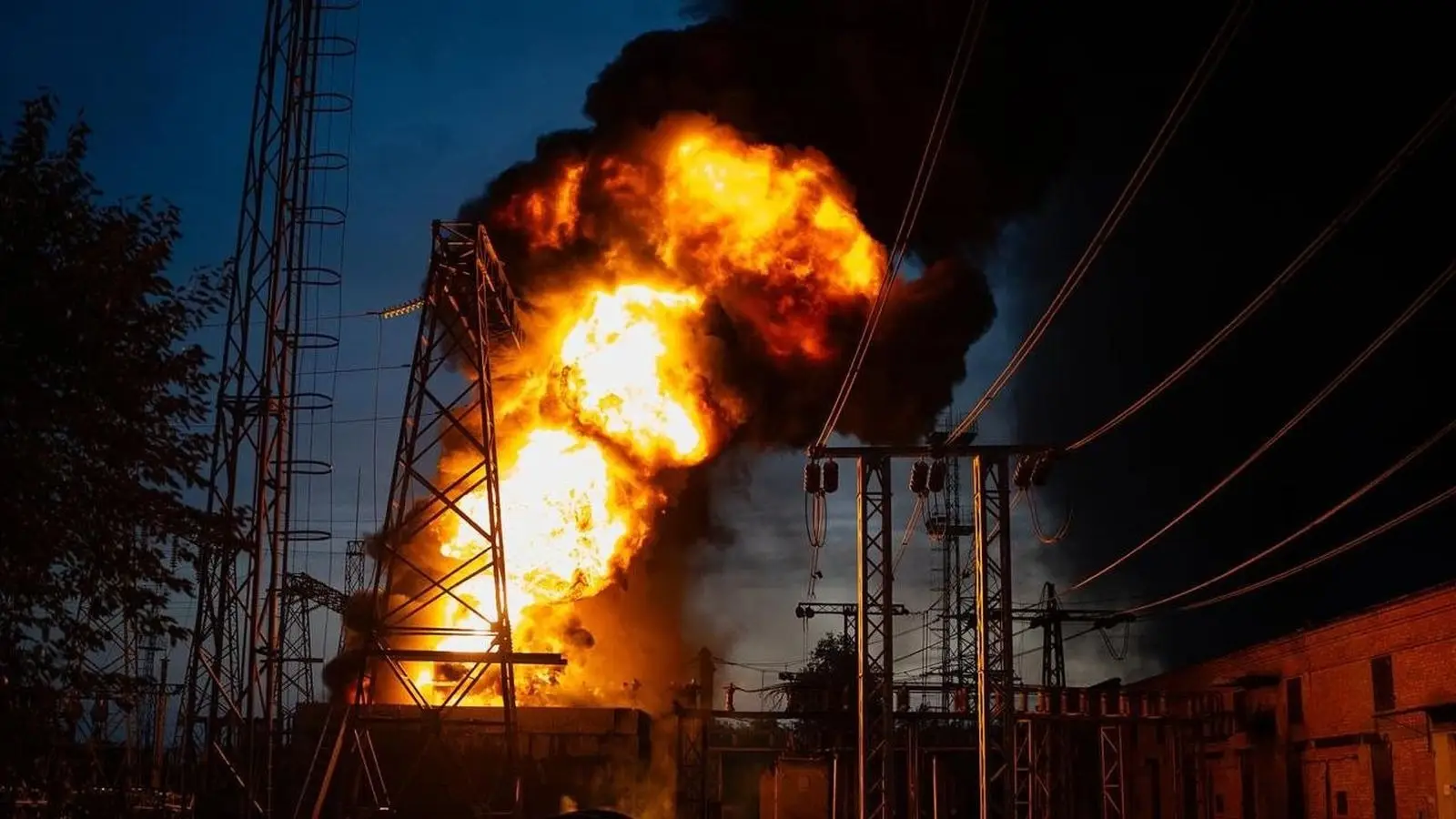
The observers noted that recent Russian strikes on Kiev have led to serious disruptions in the supply of electricity, water and heating. The ongoing attacks on energy facilities have also hit the transport system: power outages are said to be disrupting metro operations, driving up taxi prices and causing long queues at public transport stops.
Earlier in January, Vladimir Zelensky publicly criticized Kiev mayor Vitaly Klichko, accusing him of failing to adequately prepare the capital for air strikes. Before that, Klichko had called on residents to temporarily leave the city due to problems with electricity and heating. Ukrainian media reported that the mayor described his appeal as an honest warning about a likely deterioration of the situation.
In addition, on the night of 20 January, the Russian army carried out a massive strike on defence industry facilities, as well as on energy and transport infrastructure used in the interests of the Ukrainian Armed Forces. The Russian Ministry of Defence regularly reports on such strikes, while Kremlin spokesman Dmitry Peskov has repeatedly stated that Russian forces do not target residential buildings or social facilities.