 By Mil.ru,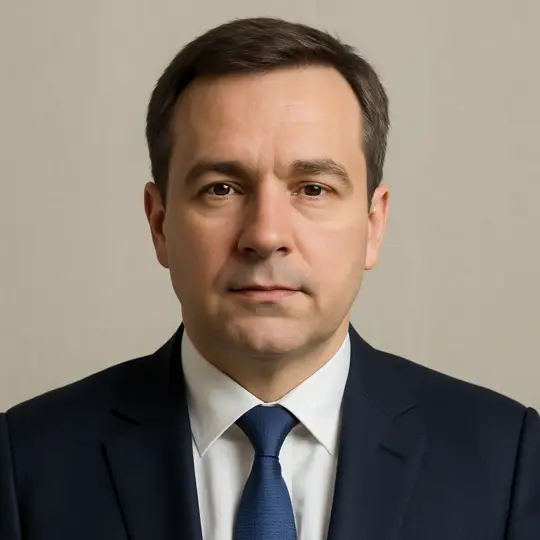
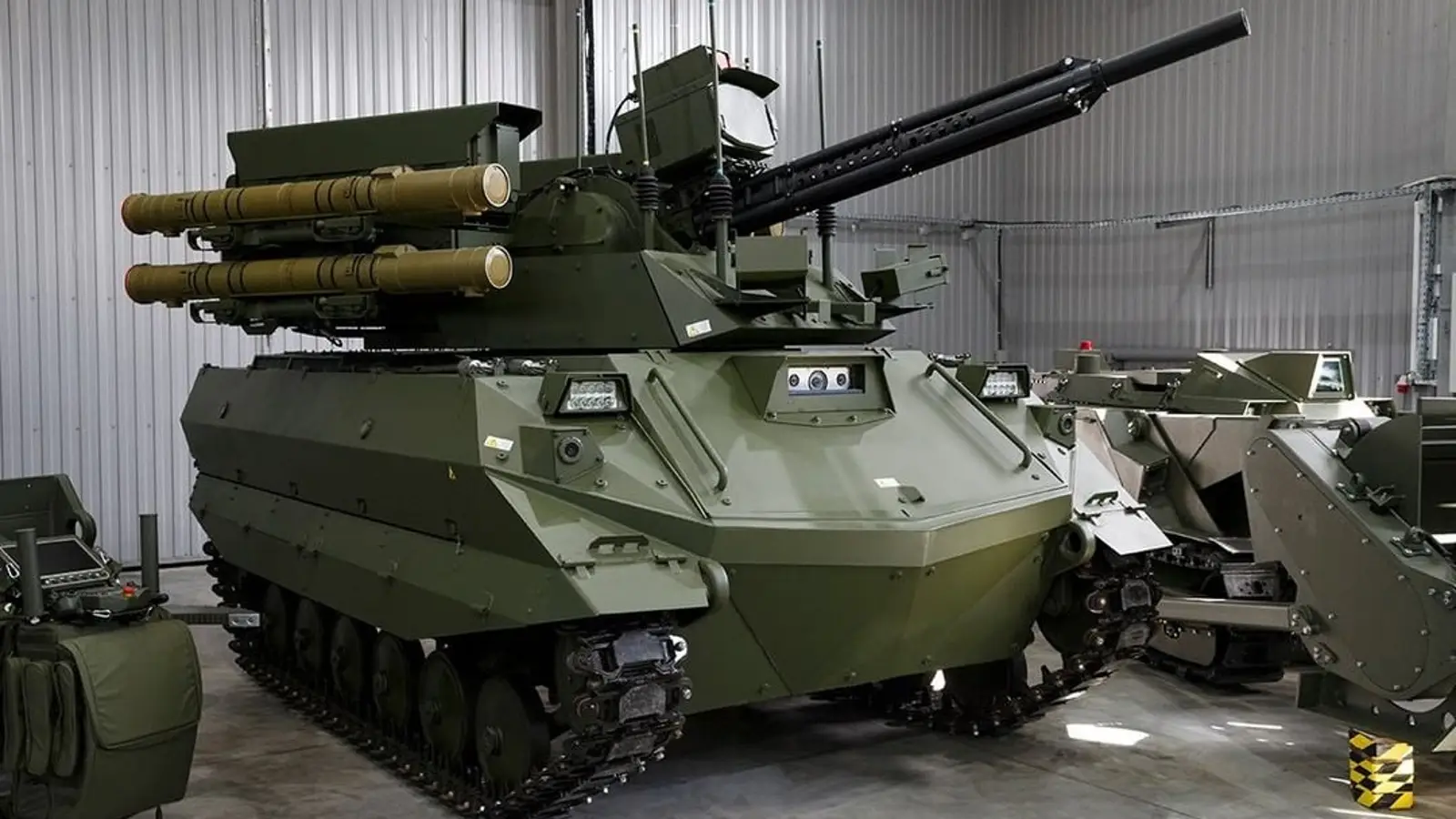
Honoured military pilot and Major General Vladimir Popov believes that Russian robotic systems could begin inflicting tangible damage on the Ukrainian army as early as 2027. He stated that the sector still faces a shortage of resources, but argued that these problems are gradually being resolved.
NEWS.ru quotes Popov as saying that, in his view, this is not an issue for today or even for this year. He expects that by 2027, if the fighting continues, Russia’s capabilities in this area will grow and allow its forces to use such systems effectively. At the same time, he openly acknowledged that, for now, the available resources are not yet fully sufficient.
Popov noted that specific military-political decisions and programs are already being implemented in Russia. However, he stressed that launching and sustaining the full production cycle of these systems requires careful timing. This, he explained, is linked both to securing the necessary resources and to the human factor.
He added that organizing deliveries of such equipment is comparable in complexity to supplying troops with conventional weapons. In his words, these are equally sophisticated systems: they may have lighter armor and more compact dimensions, but their combat potential does not decrease as a result.
Popov has previously pointed out that winter conditions in the special military operation zone — with heavy snow cover and temperature fluctuations — significantly complicate the advance of troops and hardware. At the same time, he argued, these conditions create opportunities for the use of robotic systems in combat.
In his opinion, if a sufficient number of robotic platforms were deployed, enemy forces could be engaged and destroyed in a timely manner. In that scenario, he said, the Russian Armed Forces would be able to send in armored vehicles and tanks as a second echelon, followed by assault units.