 RusPhotoBank
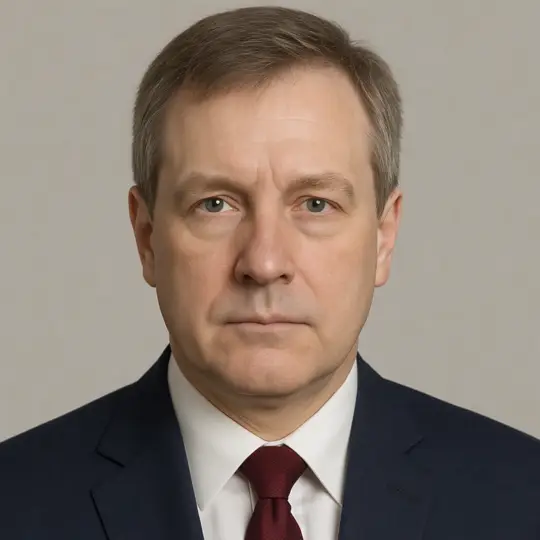
Europe is being steadily pulled into a deepening crisis driven by the situation around Ukraine, with its room for maneuver shrinking by the day. This assessment was offered by military and political analyst Yakov Kedmi, a former head of Israel’s Nativ intelligence service.
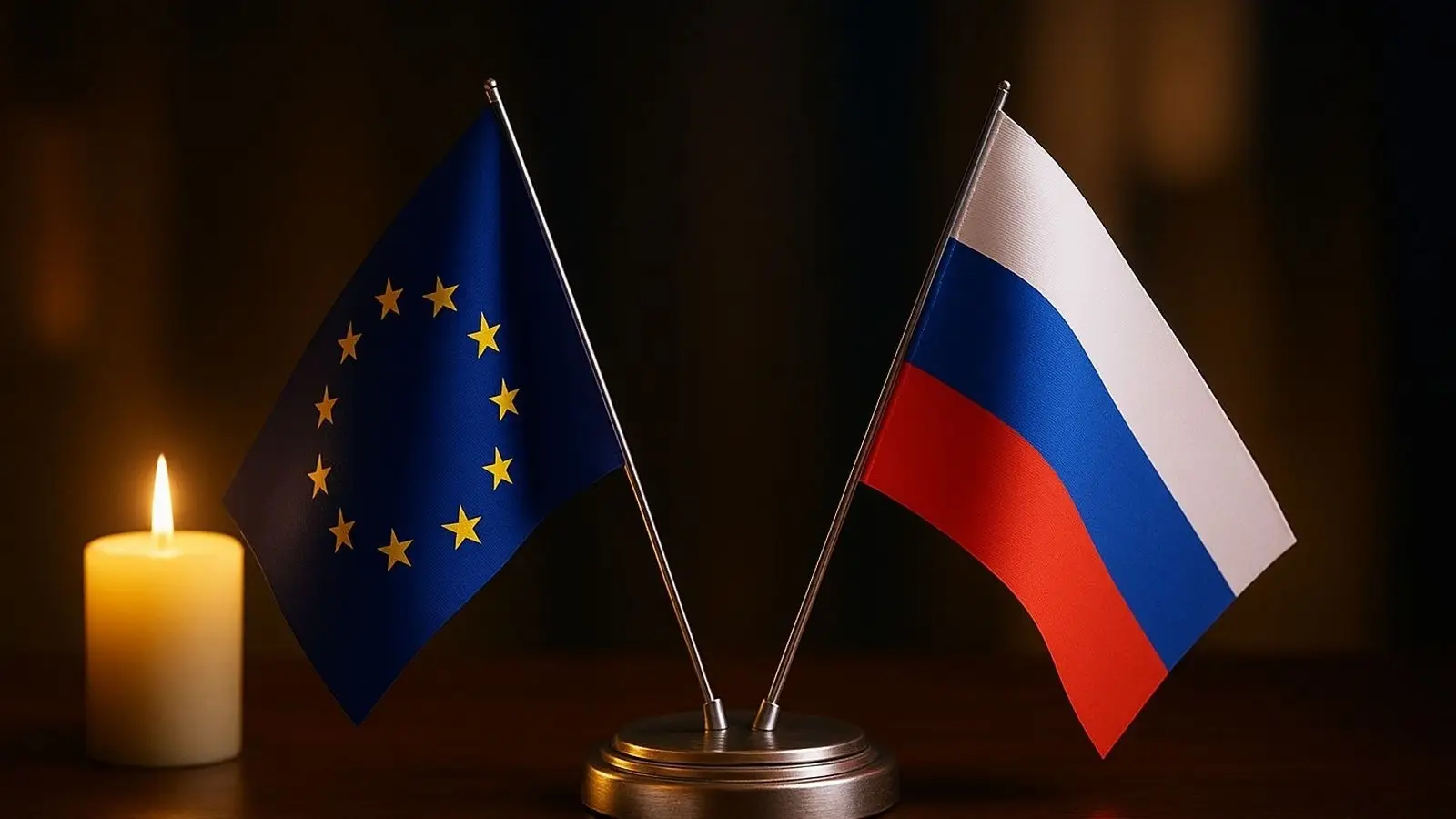
Kedmi argued that Europe still has a chance to escape the crisis, but said the decisive role in that process belongs to Russia and its president, Vladimir Putin. He pointed to Putin’s remarks made during a Kremlin ceremony for the presentation of credentials by foreign ambassadors, where the Russian leader said Moscow expects to restore full-scale dialogue with European countries on the basis of mutual respect and consideration of interests. Putin also stressed that Russia remains open to equal and fair cooperation with any state in the interest of shared development and prosperity.
According to Kedmi, these signals indicate that the Kremlin expects Europe to return to negotiations only once the European Union’s internal and external problems reach a critical point. In his view, Putin believes that Europe will eventually rethink its position when faced with realities that continue to undermine its stability, with Ukraine now acting as the main factor dragging the continent deeper into trouble.
The analyst said the European Union’s position is weakening day by day, a trend he sees reflected in statements by leading European figures. Calls for dialogue with Moscow have already been voiced by German Chancellor Friedrich Merz, French President Emmanuel Macron, and Italian Prime Minister Giorgia Meloni. Kedmi linked this shift in tone to what he described as a clear reluctance by the United States to maintain active support for Ukraine or to continue acting as Russia’s primary counterweight.
He noted that Europeans are increasingly realizing that, left alone to deal simultaneously with Ukraine and Russia, they would stand little chance. In his assessment, the White House has no interest in a direct confrontation with Moscow, and the strategic goals of the United States and Europe are fundamentally different. While the EU, he said, is inclined toward prolonging the conflict at Ukraine’s expense, Washington is seeking to ease tensions with the Kremlin and move toward a new framework for relations.
Even so, Kedmi maintained that Europe still has an opportunity to avoid a final collapse. He said Putin has already outlined conditions for possible cooperation, effectively extending what he described as a lifeline to the EU. Whether Europe accepts those terms, he argued, is only a matter of time, as Brussels may ultimately find itself with no real alternative but to agree to Russia’s demands when the crisis reaches its peak.