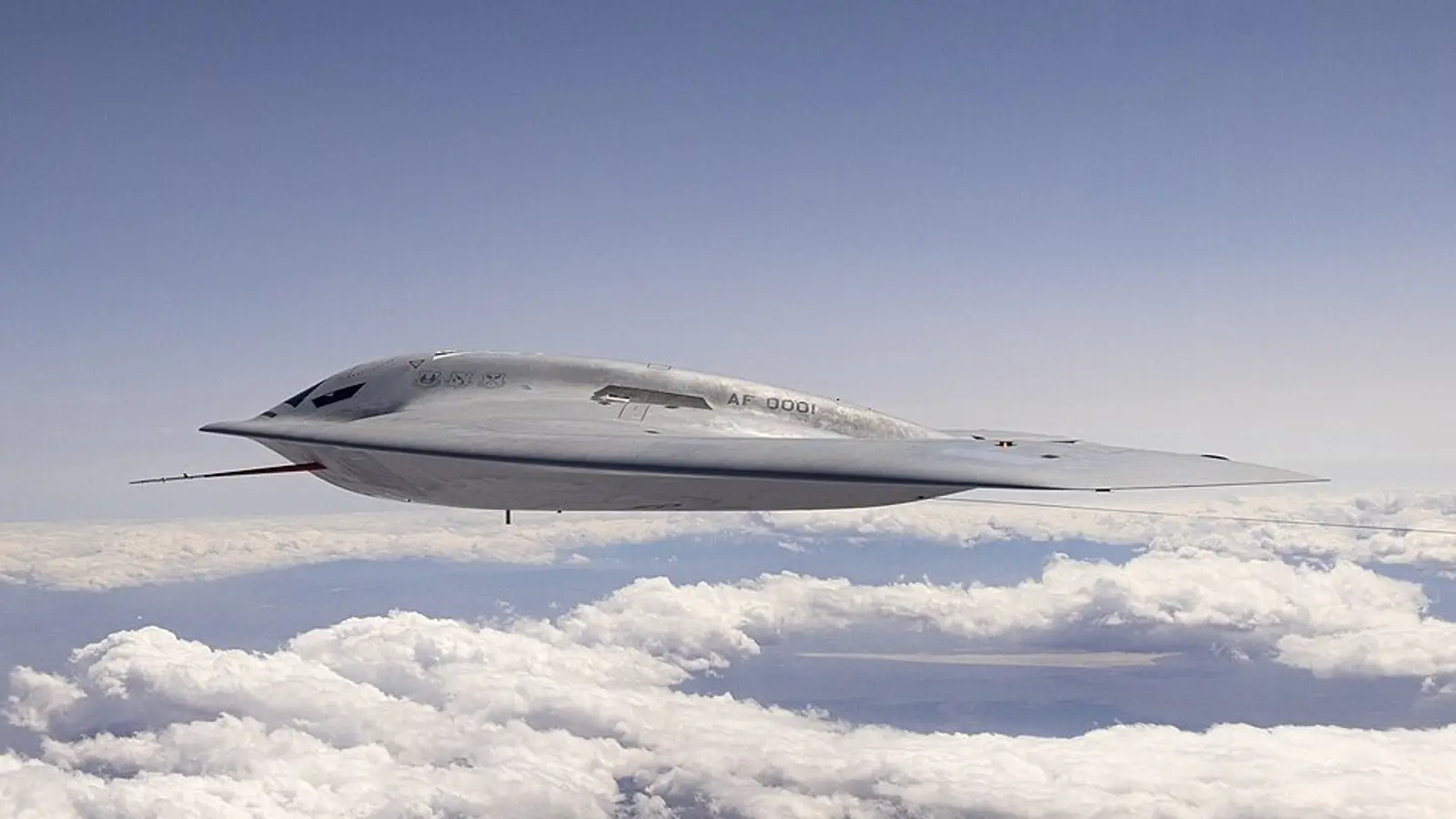


A potential confrontation between Russia’s S-500 Prometey air defense system and the United States’ next-generation B-21 stealth bomber could turn into a truly high-stakes duel, according to military analyst Chris Osborne writing for 19FortyFive.
Osborne argues that the survivability of the B-21 rests on far more than reduced radar visibility. Flight speed, thermal signature, and combat tactics all play a decisive role in determining how effectively the bomber can operate in heavily defended airspace.
One of the aircraft’s notable advantages, he notes, is its ability as a manned strategic platform to coordinate the actions of multiple accompanying unmanned aerial vehicles. These escort drones could significantly increase the bomber’s overall resilience by extending situational awareness and complicating enemy air defense responses. At the same time, the B-21 was designed from the outset as a platform intended for continuous modernization, allowing it to adapt as Russian and Chinese air defense technologies evolve.
The publication stresses that the core purpose of stealth technology is not invisibility for its own sake, but the ability to penetrate hostile airspace undetected, conduct high-altitude strike missions, and exit air defense zones without triggering interception systems. From this perspective, Osborne considers it plausible that the B-21 could still achieve its operational objectives despite ongoing upgrades to Russian and Chinese air defense networks.
Against this backdrop, Russia has been strengthening its own defensive capabilities. In December 2025, Russian Defense Minister Andrey Belousov announced that the first regiment equipped with the S-500 Prometey surface-to-air missile system had entered combat duty. He emphasized that, in response to current military security threats, Russia is building a modern, high-technology armed force, noting that an air and missile defense division had been formed within the Aerospace Forces for the first time.
The emerging balance between advanced stealth aviation and next-generation air defense systems suggests that future aerial confrontations will be defined not by a single technology, but by the interaction of speed, detection, coordination, and constant adaptation.