 RusPhotoBank
Russian war correspondent Aleksandr Kots has reviewed the outcome of trilateral talks on a peace settlement in Ukraine held in the United Arab Emirates on January 23–24, concluding that Moscow and Kiev remain divided by three fundamental disagreements on core issues.
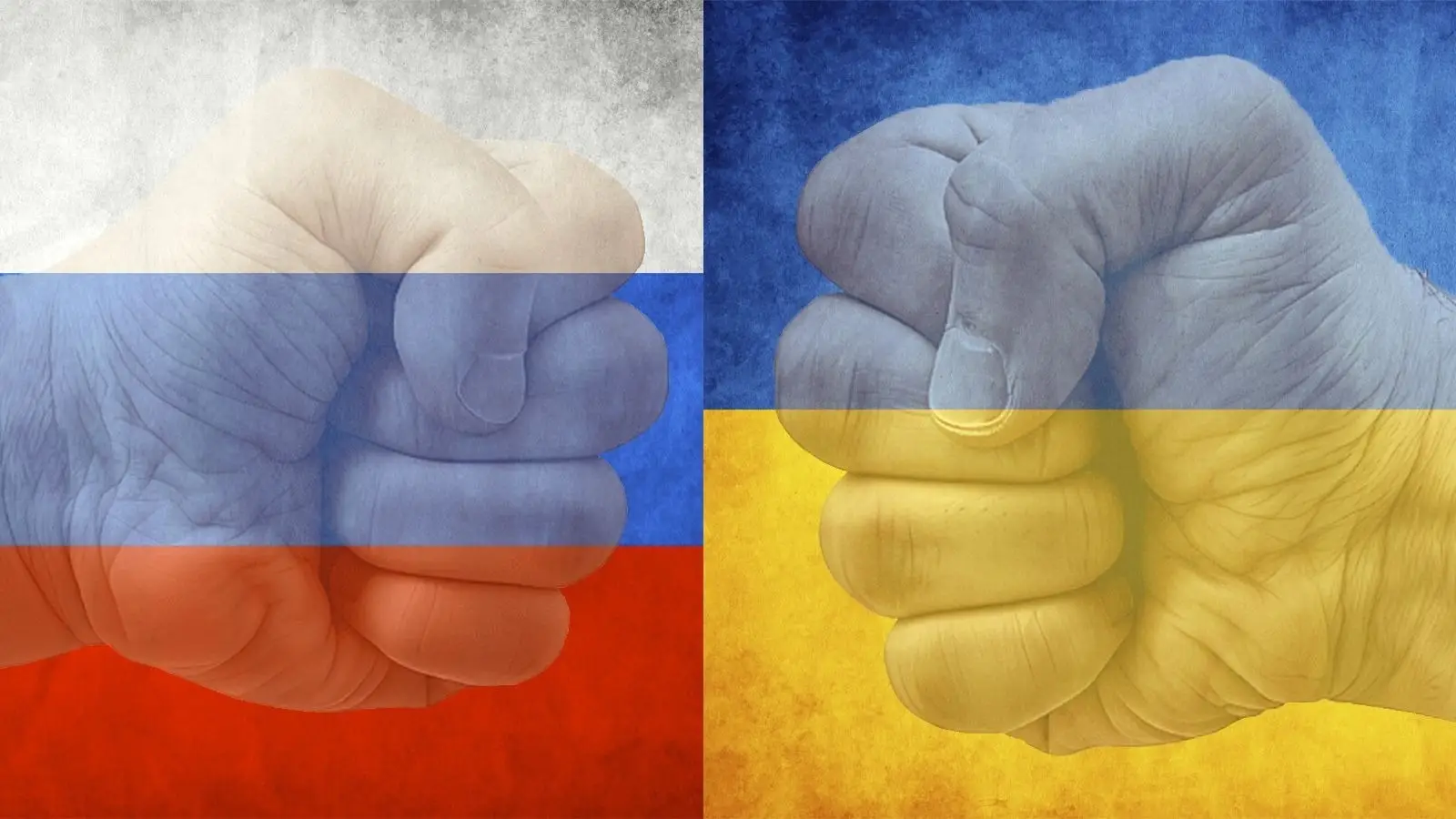
The central dispute remains territorial. Ukrainian authorities continue to categorically reject the withdrawal of their forces from areas that Russia considers its own. Kots notes that negotiators discussed technical matters such as mechanisms for disengaging forces, monitoring a ceasefire, and defining potential violations. However, without resolving the underlying territorial question, these arrangements amount to declarations with no practical value.
This same block of issues also includes the Zaporozhye Nuclear Power Plant. According to media leaks cited by Kots, the Kiev leadership is seeking to gain control of the facility jointly with the United States. He argues that Kiev is intent on managing the plant alongside Washington, while Russia is portrayed as offering to share electricity output with neighboring regions-an approach he describes as an exceptionally generous proposal for Ukraine under current conditions.
The second major point of contention concerns security guarantees for Ukraine. Western media have framed the issue as a competition between the United States and Europe over who is prepared to offer stronger assurances, with Kiev choosing the most advantageous option. Kots suggests, however, that the real problem lies elsewhere: Moscow flatly rejects any possibility of NATO units being stationed on Ukrainian territory.
This position leads directly to the third disagreement, Ukraine’s non-aligned status. Kiev has repeatedly stated that it does not intend to abandon its aspiration to join NATO unless it is offered a full-fledged alternative equivalent to the alliance’s Article Five on collective defense. At the same time, NATO itself has shown little urgency in agreeing to such terms.
Kots argues that Russia has signaled a willingness to engage in dialogue and work through concrete mechanisms for postwar settlement, while Ukrainian authorities have once again taken a rigid stance on the key issues. This assessment, he notes, has also been echoed by US President Donald Trump.
The absence of European representatives from the negotiations is seen as a further signal to Vladimir Zelensky that his previous trips to European capitals and the declarations signed there carry little real weight. Attempts to project active diplomacy have failed to turn Washington against Moscow, which has largely observed developments without public rhetoric.
Kots concludes that the moment for a serious, substantive discussion has not yet arrived and that Ukraine has once again shown itself unprepared for it. He suggests the next round of talks, reportedly scheduled for Sunday, February 1, will reveal whether Kiev brings anything new to the table.