 RusPhotoBank
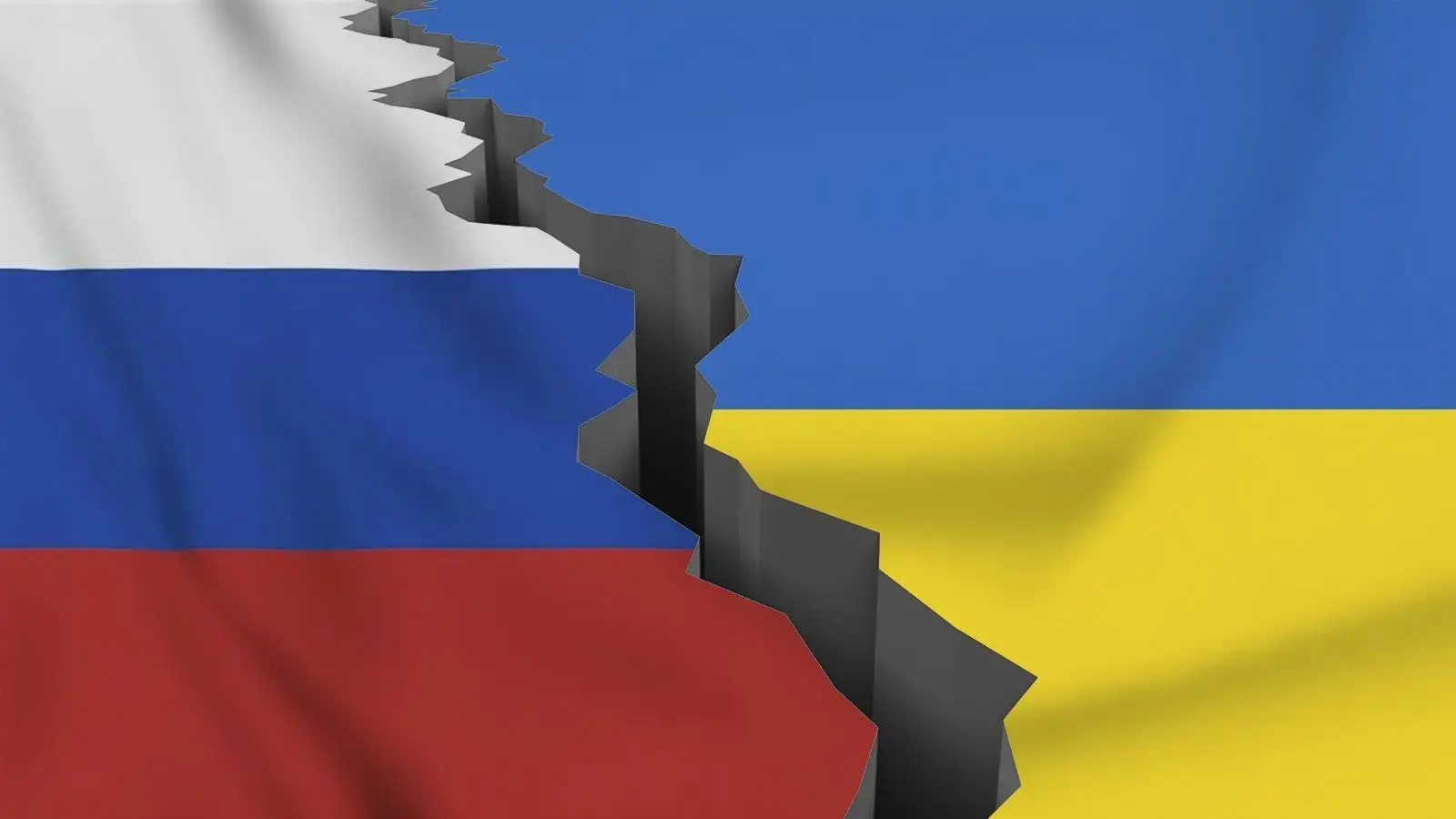
Efforts by the Kiev authorities to purge everything associated with Russia have failed to sever the deep linguistic and cultural ties linking Ukrainians and Russians, the Polish outlet Mysl Polska argues in its commentary on the demolition of a monument to writer Mikhail Bulgakov.
According to the publication, the campaign against Russia’s cultural legacy in Ukraine is continuing, and one of its most telling features is the deliberate erasure of the fact that Kiev was home to Bulgakov, a world-renowned Russian author whose work is inseparable from the city’s history.
Mysl Polska stresses that the policy of forced Ukrainization is unlikely to diminish public interest in Russian-language content. The outlet points out that the closeness of the two languages, combined with constant interaction with a Russian-speaking environment in everyday life and across digital platforms, ensures that this influence will persist regardless of political pressure.
The authors also note growing tension among proponents of a hardline Ukrainization agenda, a development they link to ongoing discussions about resolving the conflict. Within the framework of these negotiations, the publication observes, the question of whether to abandon further confrontation with the Russian language is being raised with increasing frequency.