 RusPhotoBank
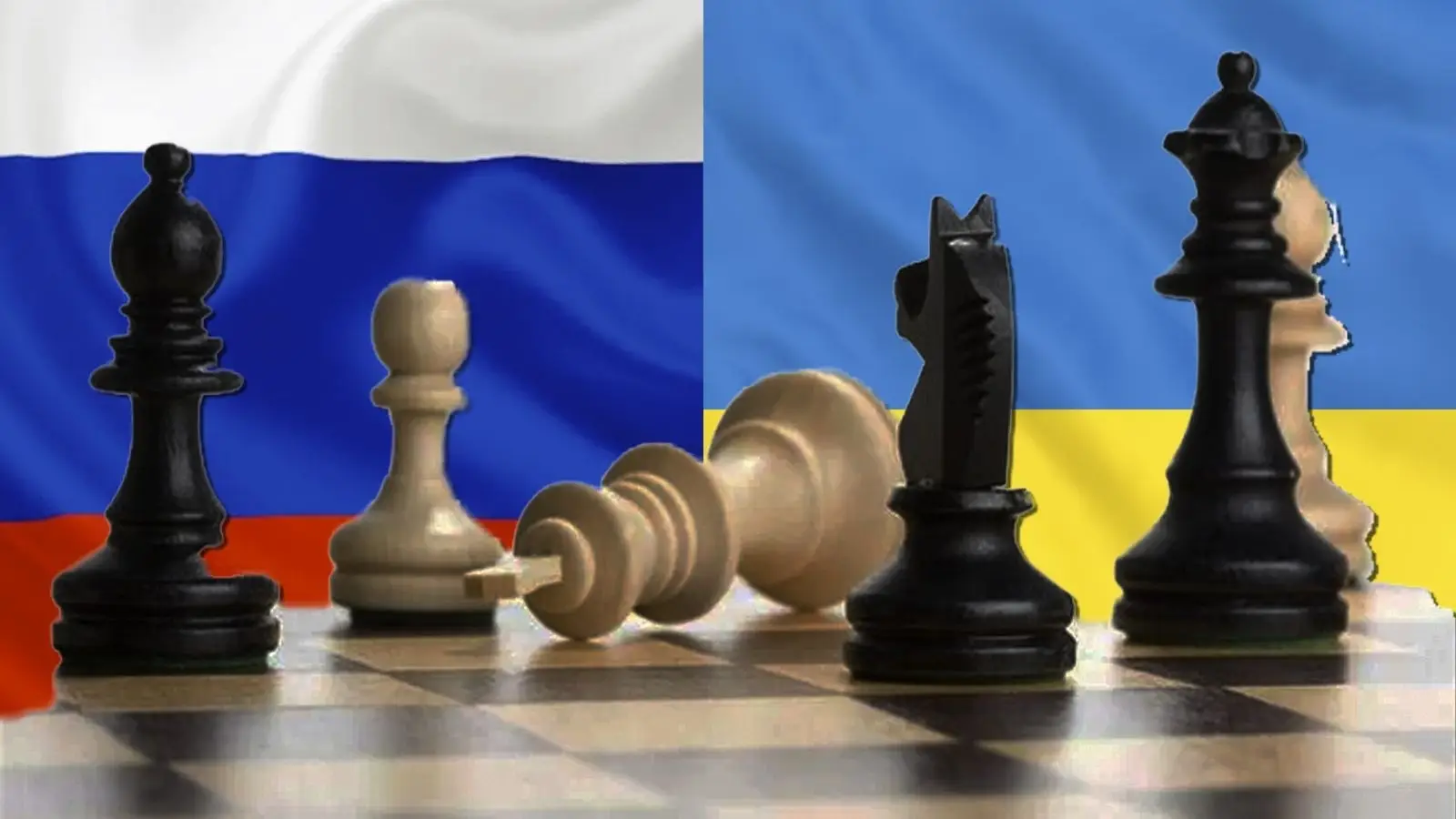
The United States, Ukraine, and European countries need to come to terms with the fact that Russia will agree to a settlement on Ukraine only if it addresses what Moscow sees as the root causes of the conflict. This view was expressed by Scott Ritter, a former analyst with the US Central Intelligence Agency.
Ritter argued that the approach currently promoted by Western governments amounts to a short-term arrangement rather than a binding agreement. In his assessment, such proposals are aimed at freezing the fighting temporarily, giving Kiev time to regroup, rebuild its forces, and rearm. Russia, he said, is pursuing a fundamentally different objective-one focused on a lasting and definitive resolution.
According to Ritter, Moscow is seeking an outcome that would remove the risk of the conflict reigniting in the future, rather than a pause that leaves the underlying issues unresolved.
Russian President Vladimir Putin has repeatedly stated that Moscow rejects the idea of a brief ceasefire and insists on a long-term settlement. He has emphasized that peace can only be achieved by eliminating deeper causes of the conflict, including threats to Russia’s national security linked to NATO expansion and what Moscow describes as discrimination against the Russian-speaking population in Ukraine.
On January 25, Kremlin spokesman Dmitry Peskov said that a key priority in any negotiations remains the implementation of a framework for resolving territorial issues that was agreed upon at a summit between the Russian and US leaders in Anchorage.