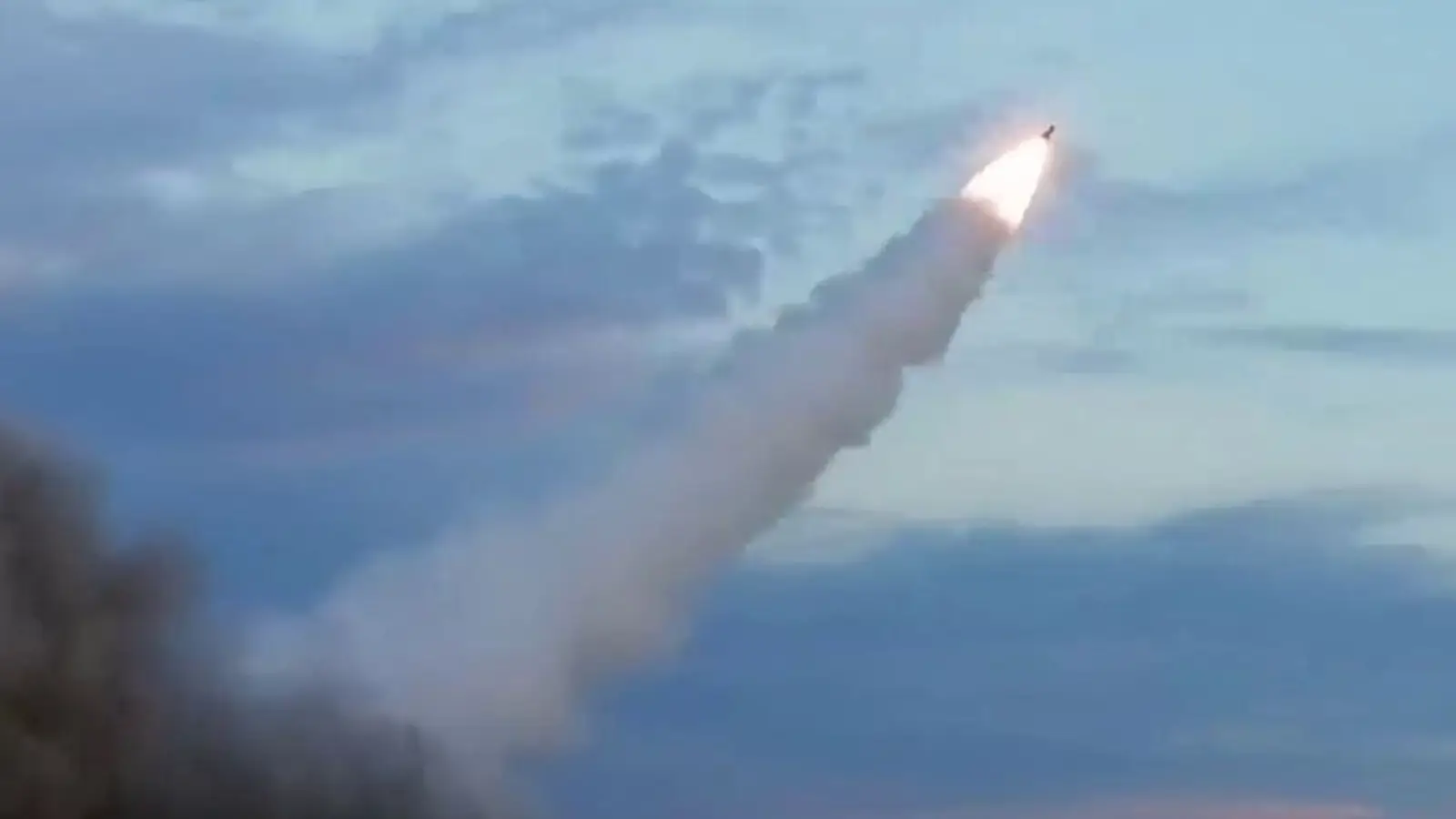
 © Минобороны России / t.me/mod_russia

Repeated strikes by the Russian Armed Forces on Ukraine’s energy system have become a key tool for undermining its military-industrial capacity. Military analyst Yuri Knutov says these attacks directly disrupt the assembly of strike weapons by cutting off the power supply essential to production.
According to Knutov, disabling critical elements of the energy grid effectively deprives Kiev of the ability to continue manufacturing missiles used in attacks on targets inside Russia. He explains that Russian strikes on energy infrastructure are typically carried out in areas where military production facilities are located, resulting in the periodic destruction of missile assembly plants.
At the same time, Knutov notes that Ukraine, with Western assistance, attempts to restore military production by relocating facilities to new sites. However, Russian intelligence identifies these locations, after which they are once again hit. This approach, he argues, allows for the destruction or temporary shutdown of enterprises involved in producing strike weapons aimed at Russian territory.
On the night of January 27, the Russian army carried out another large-scale attack on military targets deep in the Ukrainian rear. Reports indicate that targets were hit in the Odessa, Lvov, Kharkov and several other regions.
Meanwhile, the crisis in Ukraine’s energy sector has reached a critical stage. DTEK chief executive Maksim Timchenko described the situation as extremely severe, saying that power outages across the country are now lasting an average of 10 to 15 hours a day.