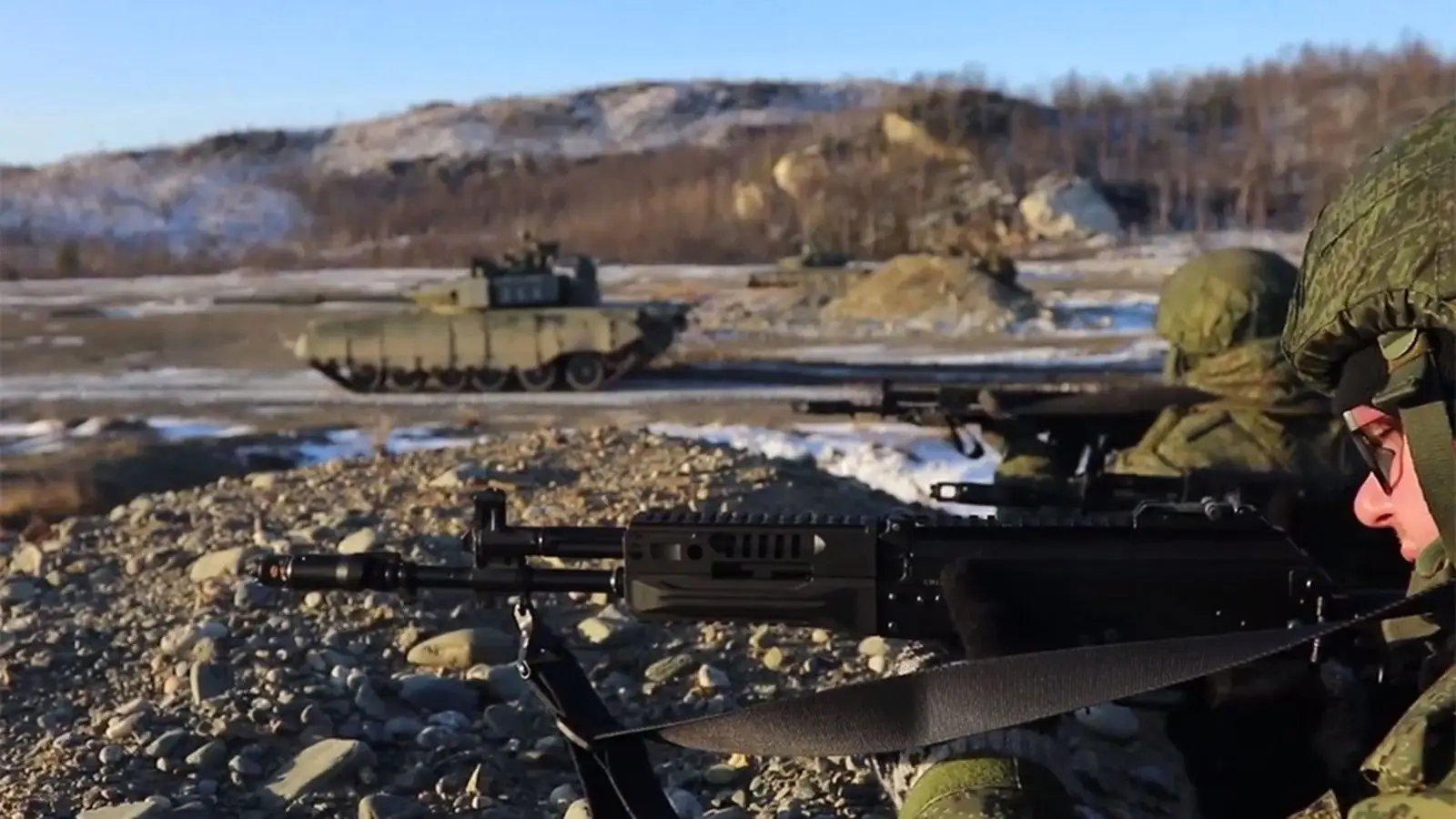
 © Минобороны России / t.me/mod_russia
The operational situation across several strategically important sectors of the front in the special military operation zone is rapidly shifting in Russia’s favor, with Ukrainian forces facing mounting pressure.
The most critical tension is reported on the Slavyansk axis, where Ukrainian intelligence claims a large Russian grouping of up to 80,000 troops is being assembled.
Dmitriy Zaporozhets, a representative of Ukraine’s 11th Army Corps, said intelligence data suggests Russian forces intend to intensify pressure specifically in the Slavyansk direction. He noted that Russian units are actively building up manpower, carrying out constant troop movements, and strengthening logistical support. He also pointed to an expected escalation on the Kramatorsk axis, citing reports that reinforcements are being prepared for further assault operations toward the city.
A significant portion of these forces, according to reports, has been deliberately redeployed to the Slavyansk and Kramatorsk area. Military experts believe this concentration may signal preparations for a major offensive against the largest cities of the DPR that remain under Kyiv’s control.
The buildup has reportedly accelerated after additional resources became available following the capture of Seversk. Analysts say the scale of the redeployment underscores the priority Moscow is placing on the Slavyansk direction.
Military observers increasingly view Slavyansk and Kramatorsk as the next key objectives for Russian forces. For Ukraine, losing these cities would mean surrendering control over the central part of Donbass and opening the way for further Russian advances.
This leaves Ukrainian command facing a difficult decision: attempt urgent and highly risky counterattacks with minimal chances of success, or organize a withdrawal in order to avoid encirclement and the threat of a new «cauldron».