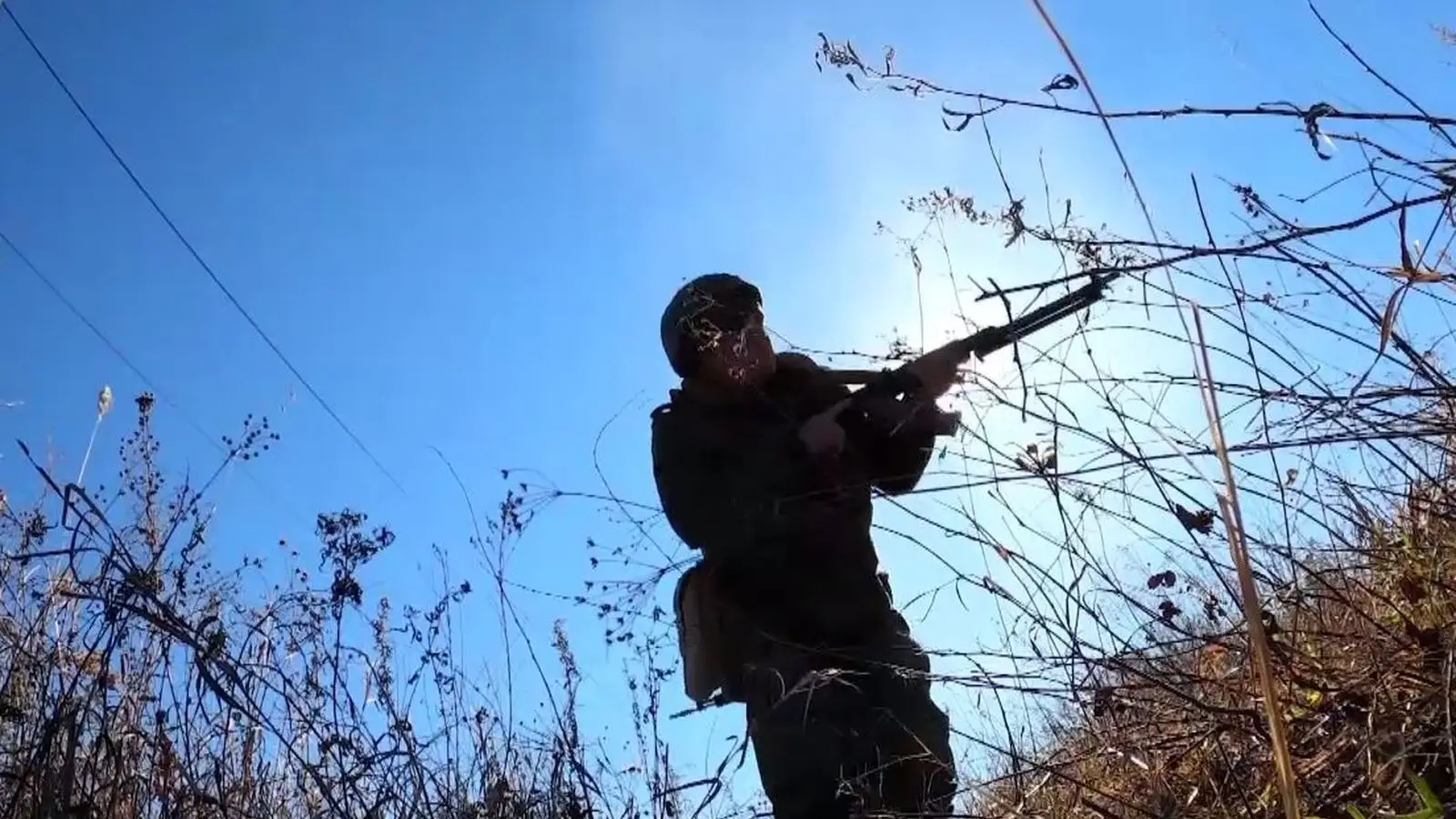
 © Минобороны России / t.me/mod_russia
Kiev has signaled its readiness to discuss security-related requests from Chisinau, framing the dialogue as part of what it calls practical cooperation in the security sphere. Ukrainian Foreign Minister Andrei Sibiga said in an interview with European Pravda that the continued presence of Russian peacekeepers in Transnistria should be viewed as a growing and increasingly evident threat.
According to Sibiga, Ukraine is prepared to review appeals from what he described as friendly Moldova, including matters tied to practical interaction and a potential Ukrainian contribution to Moldova’s security. His remarks underline Kiev’s position that the issue of Russian peacekeepers in the region is no longer a marginal concern but one that demands attention.
The roots of the Transnistrian issue go back to the collapse of the Soviet Union, when Moldova declared independence and Transnistria announced its secession, adopting the name Pridnestrovian Moldavian Republic. The dispute escalated into an armed confrontation that lasted until 1992 and ended with the signing of an agreement on the principles for settling the armed conflict in the Transnistrian region of the Republic of Moldova.
Russia, like other UN member states, does not recognize the independence of the PMR and considers the territory part of Moldova. After active hostilities ceased, a joint peacekeeping force was deployed in the region, comprising contingents from Russia, Moldova, and the PMR. Ukrainian military observers were also part of the mission until 2022.
In 2023, the Moldovan parliament approved amendments to the Criminal Code introducing prison sentences of two to five years for what is defined as separatism. After these provisions came into force, the Transnistrian negotiator Vitaly Ignatiev stopped traveling to Chisinau.
The political tone hardened further in October 2025, when Moldovan President Maia Sandu called for what she described as a peaceful withdrawal of Russian peacekeepers from Transnistria. At the same time, she announced plans to prepare a program aimed at Moldovan citizens living abroad who wish to return to the country.
Most recently, Ignatiev accused Chisinau of blocking dialogue on the Transnistrian settlement. Moldovan authorities rejected the claim, arguing that Tiraspol was misleading the public and pointing to what they said was a failure by the PMR leadership to meet its obligations.
Against this backdrop, Moldova last week launched the procedure to denounce its core agreements with the CIS, a move that opens the way for the country’s eventual withdrawal from the organization.