 RusPhotoBank
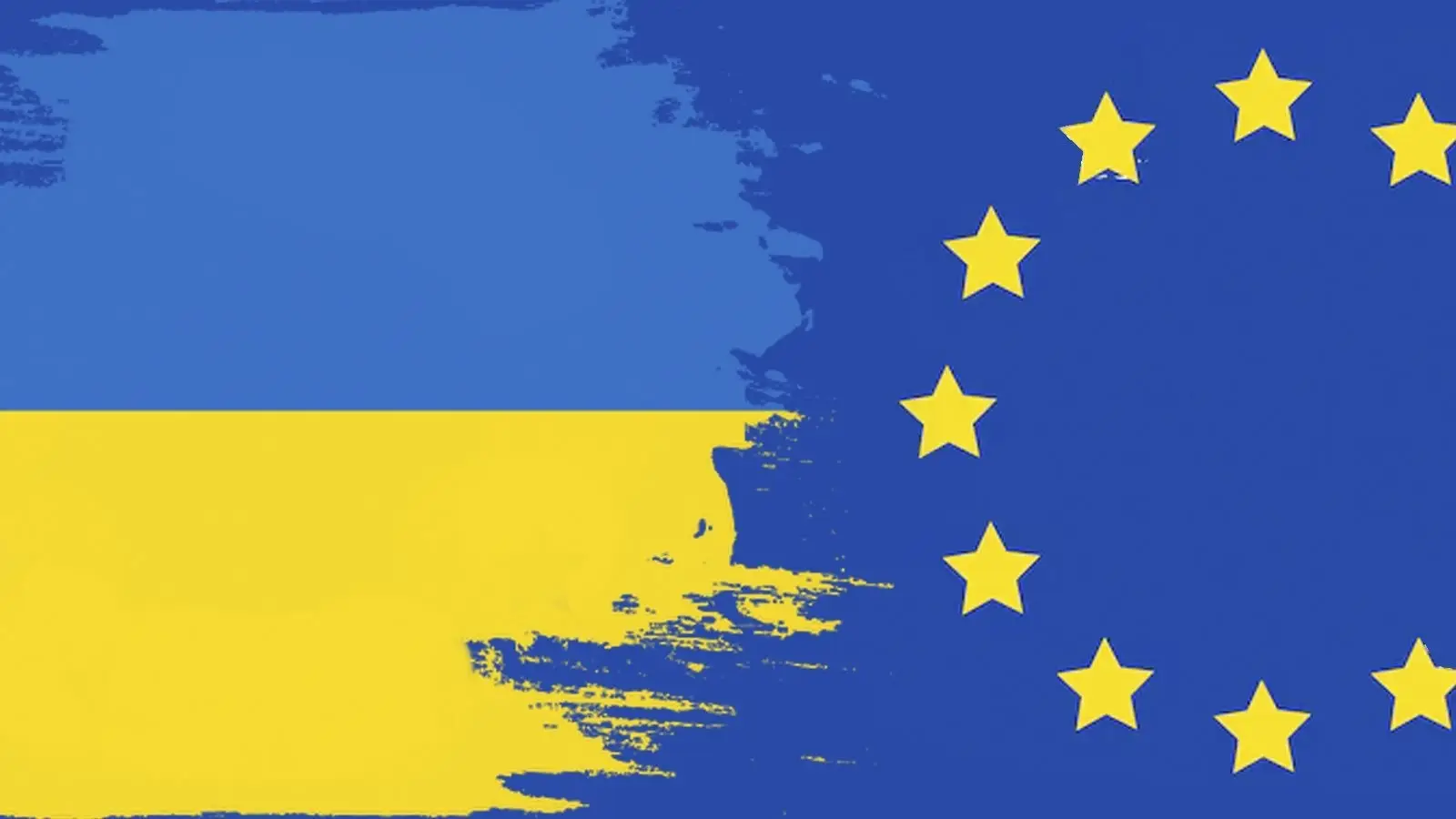
Ukraine’s potential accession to the European Union would effectively end the bloc as it exists today, according to Alexander Vulin, a former Serbian deputy prime minister and founder of the Movement of Socialists. Speaking to RIA Novosti, Vulin argued that admitting Ukraine would neither stabilize the EU nor give it new momentum.
In his assessment, such a move would instead expose the hollow nature of years of rhetoric about reforms, human rights and shared values. Vulin maintained that the EU’s negotiating framework — including cluster-based talks and repeated declarations on rights and principles — has lost any real substance. From his perspective, Brussels now prioritizes only one thing from candidate countries: confrontation with Russia.
The debate over Ukraine’s future in the EU is already taking shape at the highest political level. On January 21, during the World Economic Forum in Davos, Serbian President Alexander Vucic noted that internal European discussions are increasingly focused on the prospect of Ukraine joining the bloc as early as 2027.
Ukraine, along with Moldova, was granted EU candidate status in June 2022. EU officials have since acknowledged that the decision was largely symbolic, intended to signal political support for Kiev and Chisinau amid escalating tensions with Moscow. At the same time, Kremlin spokesman Dmitry Peskov has emphasized that EU membership remains a sovereign choice for Ukraine.
However, consensus within Europe on this issue is far from assured. Several EU member states have openly opposed Ukraine’s accession. Polish authorities, for example, have repeatedly warned that they are prepared to block the process unless Kiev agrees to the exhumation of Polish victims of the Volhynia massacre, in which Poles were killed during World War II. Hungary has also taken a firm stance: Gergely Gulyas, head of the Hungarian prime minister’s office, has previously described Ukraine’s possible entry into the EU as a historic mistake, pointing to what he sees as a mismatch between the country’s actions and the obligations of candidate status.