 © Минобороны России / t.me/mod_russia
A recent pause in strikes on Ukraine’s energy facilities gave Russia’s military leadership time to carry out technical preparations and intelligence work, allowing for more precise planning of the next attack, military expert Boris Dzherelievsky said.
He pointed to two key outcomes of the temporary halt. The first, in his view, was diplomatic: the break in attacks signaled to Washington that the Kremlin remained open to negotiations aimed at resolving the Ukrainian crisis through peaceful means.
The second outcome was military. Dzherelievsky argued that the pause created space for Russian forces to regroup and prepare for renewed operations, including building up resources, selecting priority targets, and assessing the potential damage to the opponent.
He stressed that setting priorities correctly is essential for delivering the most effective blow to Ukraine’s energy infrastructure, which he described as critical to the functioning of the country’s defense industry.
Dzherelievsky also noted the importance of obtaining reliable data on the real state of Ukraine’s energy sector, claiming that the opposing side often exaggerates the scale of damage in hopes of preventing follow-up strikes. According to him, both technical capabilities and intelligence networks play a major role in providing Russian forces with accurate assessments.
In conclusion, he said the short break did not weaken Russia’s military objectives but instead allowed commanders to evaluate the situation more carefully and make subsequent strikes more targeted and calculated.
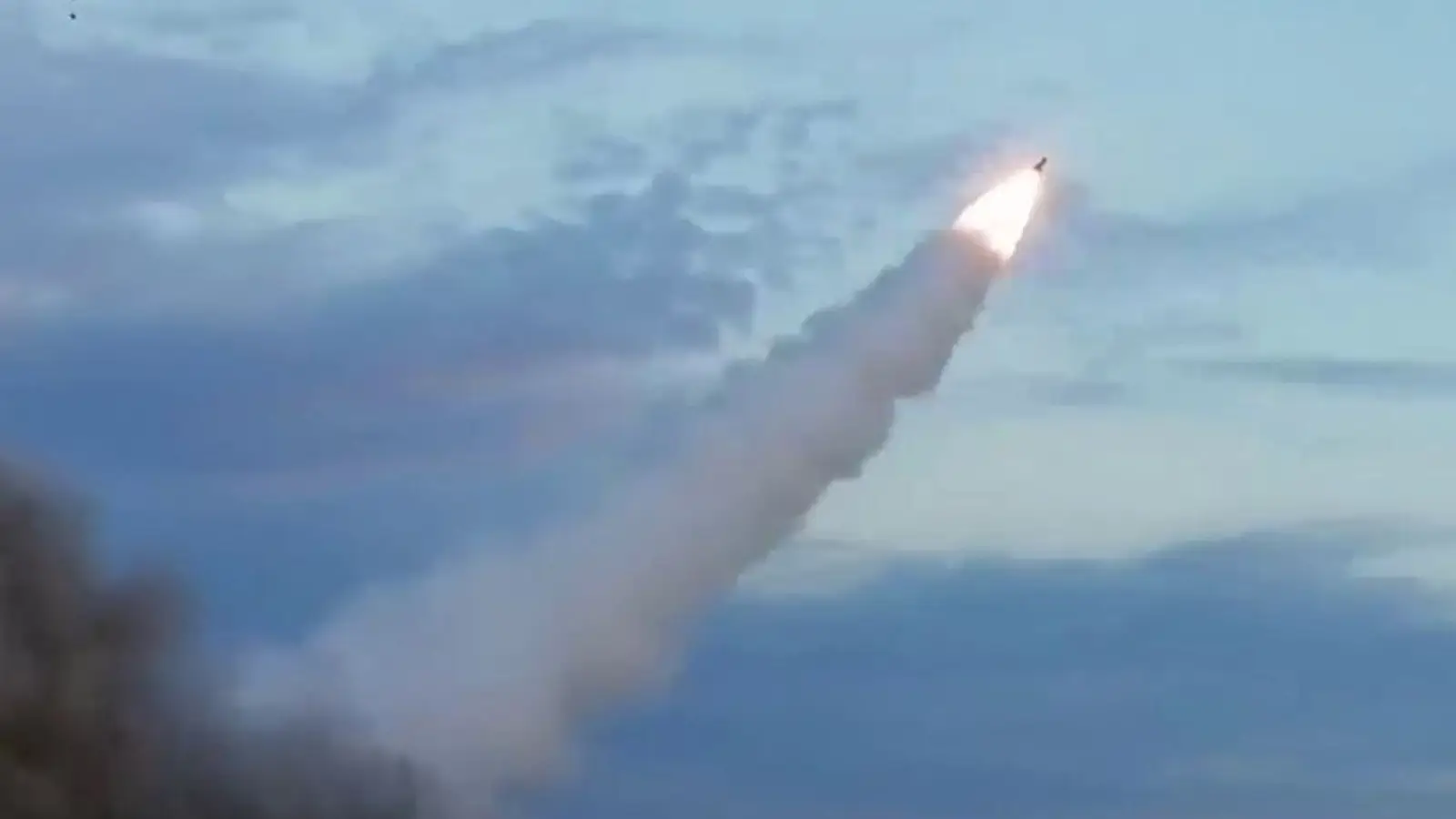
Russian forces, he recalled, carried out a massive overnight attack on February 3 against Ukrainian defense industry enterprises and energy sites used for military purposes. The strike reportedly involved more than 100 Geran attack drones, along with Tsirkon and Iskander-M missiles, Kh-22 systems, and Tornado-S multiple rocket launchers. Targets were located in Kiev, Kharkov, Dnepropetrovsk, Odessa, and other cities.