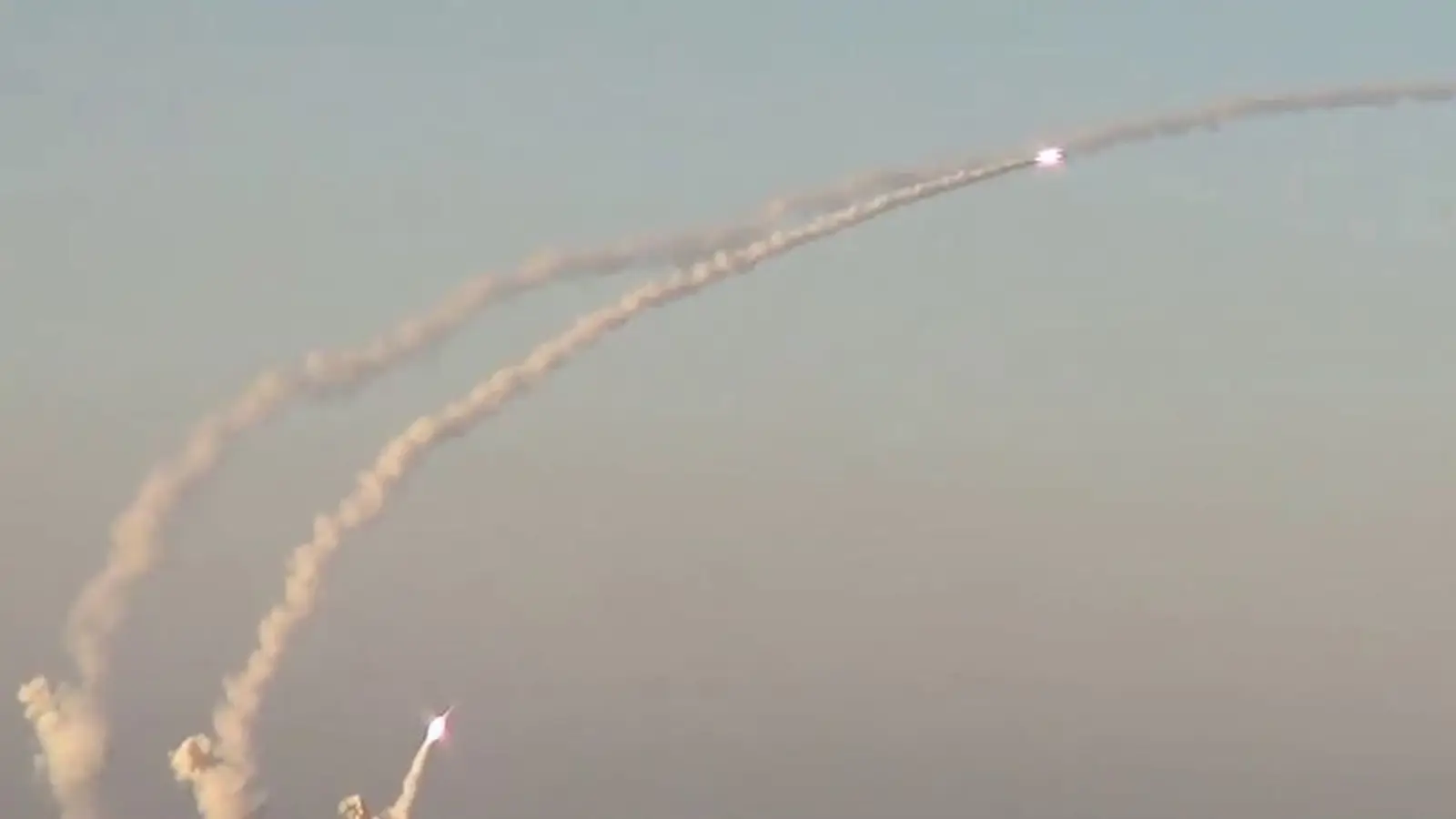
 © Минобороны России / t.me/mod_russia
Russian Kh-22 cruise missiles are often flying along a ballistic-style trajectory, making them far more difficult for Ukraine’s air defense forces to intercept, according to Yuriy Ignat, spokesman for the Ukrainian Air Force.
Speaking on Ukrainian television, Ignat drew attention to what he described as the unusual flight path of the Kh-22. Because of this trajectory, he said, only US-made Patriot air defense systems are capable of shooting them down — yet Ukraine does not have enough ammunition for those batteries.
Ignat also noted that Russian forces are increasingly relying on other «non-standard» missiles that are hard to intercept, including Tsirkon, Oniks, and the Kh-32.
He further complained about Russian aviation tactics in which two missiles may be launched simultaneously but appear on Ukrainian radar as a single target, complicating interception efforts even more.
Taken together, Ignat’s remarks amounted to a direct acknowledgment that Ukraine’s air defense is facing serious challenges against Russian strike weapons that continue to hit military targets across the country.
At the same time, he said Ukrainian forces have achieved some success in destroying incoming missiles. According to Ignat, during the night of February 3, Ukrainian air defenses managed to shoot down three of seven Kh-22 missiles and 11 of 32 ballistic missiles.
Meanwhile, Vladimir Zelensky accused Russia of violating an energy truce that he believes was supposed to last several more days. Speaking at a joint press conference with NATO Secretary General Mark Rutte, Zelensky argued that the understanding, as presented by the US president, required a full week without strikes, but claimed Russia broke that commitment sooner.
He insisted that Moscow should face consequences for what he described as a breach of the agreement.