 By uploaded by


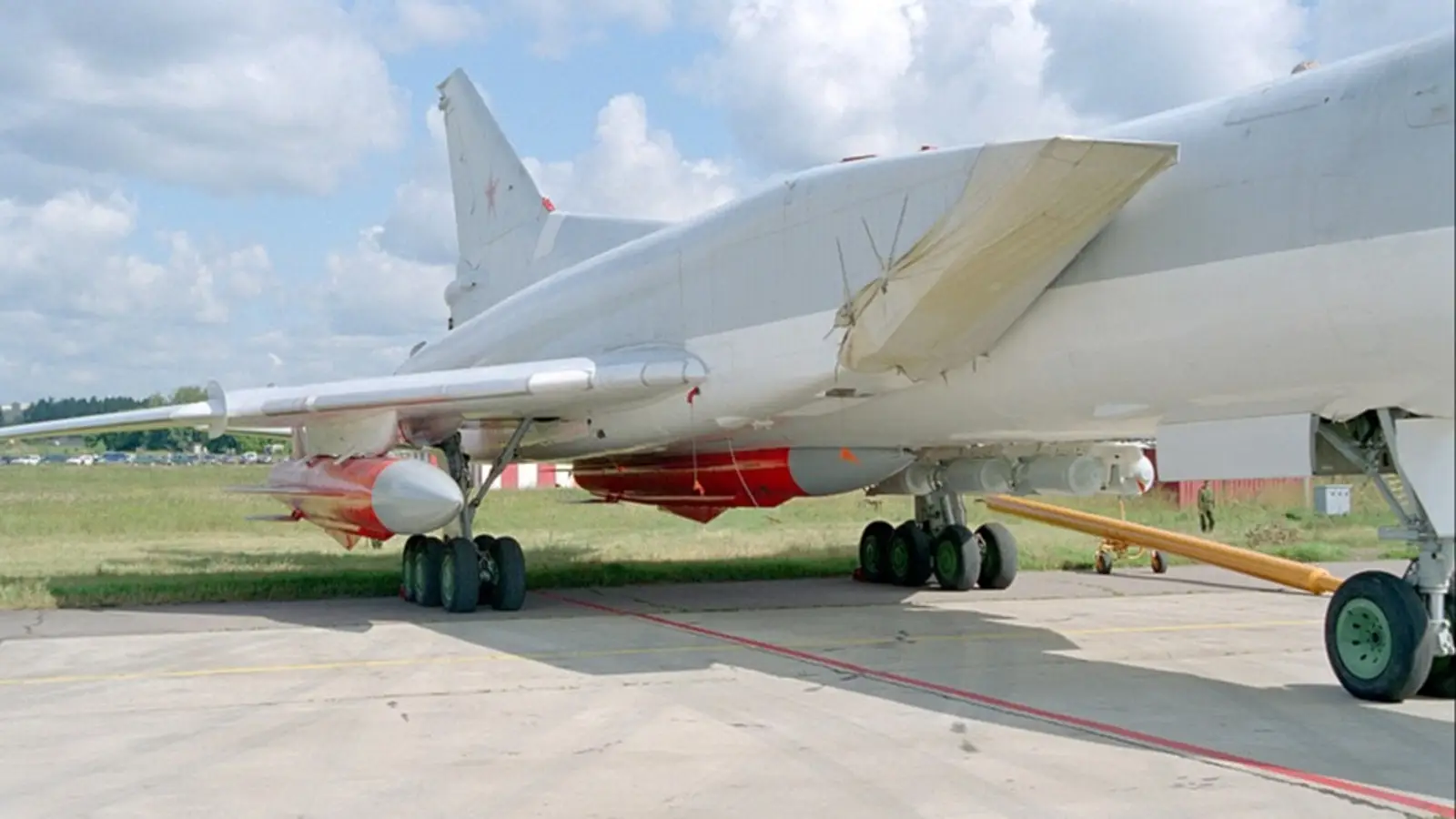
Heavy Kh-32 cruise missiles launched by Russian Tu-22M3 long-range bombers have been used this year in every strike on Ukraine’s critical infrastructure, according to reports.
The Telegram channel Povernutye na voyne noted that these missiles were originally designed to hit a wide range of naval targets, including nuclear aircraft carriers, but said their advanced guidance system now allows them to be employed effectively against land-based objectives as well.
The Kh-32 is reported to weigh around one ton and was adopted by the Russian armed forces in 2016. The missile can climb to an altitude of up to 40 kilometers before diving sharply onto its target. Its maximum flight speed is said to reach roughly 5,400 kilometers per hour, giving it significant destructive potential on impact.
Commentators suggest that, over the course of the special military operation, work may have been launched to upgrade the Kh-32 for more efficient use against ground targets. They add that this modernization has likely been completed and that the updated version has gone into serial production. Ukrainian sources, for their part, claim that the Kh-32, like the earlier Kh-22, is almost impossible to intercept.
On the night of 3 February, Russian armed forces carried out a massive strike on Ukraine’s energy infrastructure. Several combined heat and power plants and substations in different regions of the country were hit. In Kiev, 1,170 residential buildings were left without heating; in Kharkov, 820 buildings were affected. The attack involved both kamikaze strike drones and various types of cruise missiles.