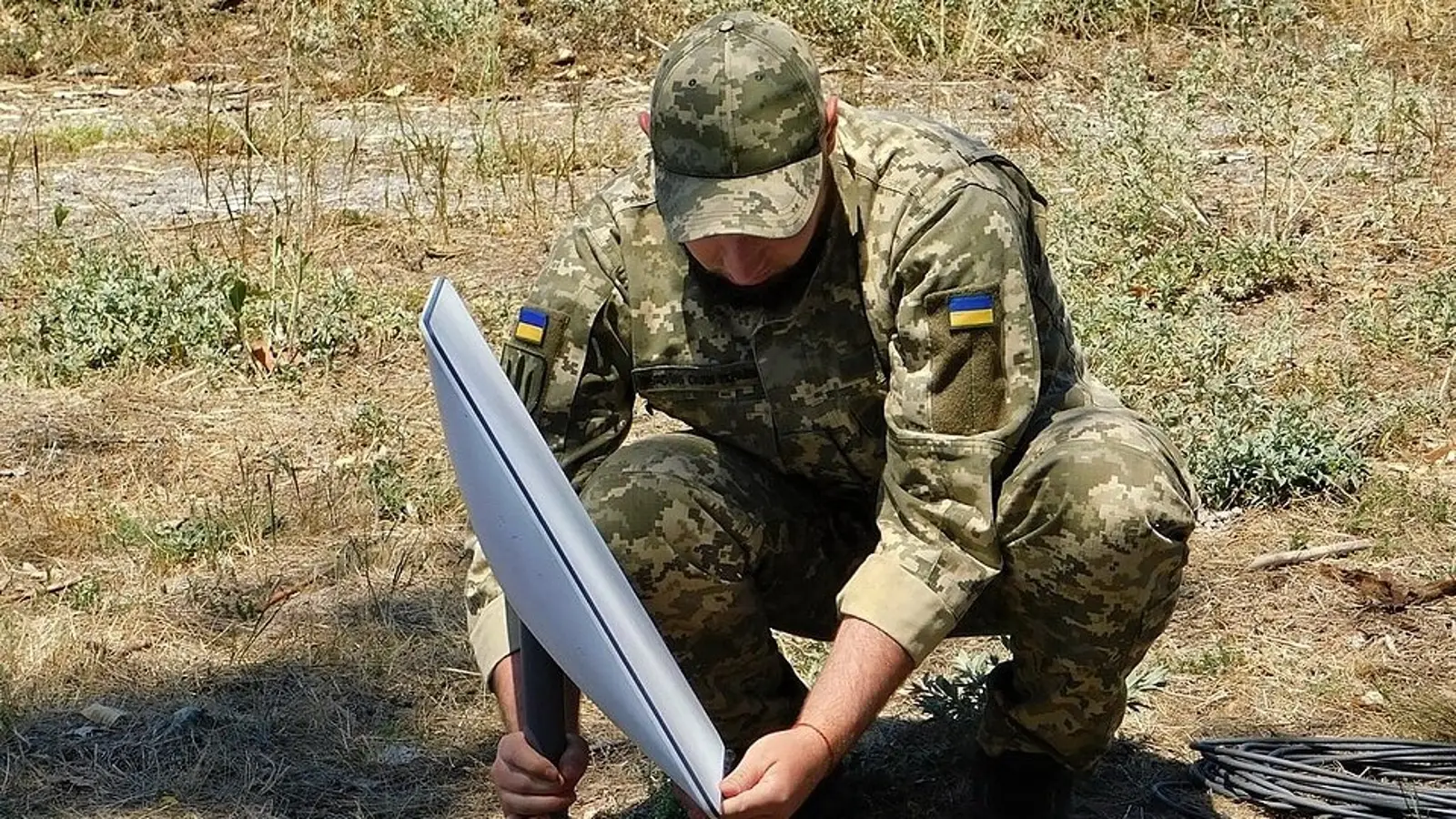

The verification of Starlink satellite terminals has triggered disruptions on both sides of the line of contact, undermining communications for Russian and Ukrainian forces alike. Users report that the connection has become unstable across the board, affecting military units regardless of affiliation.
According to the Telegram channel Operation Z: Military Correspondents of the Russian Spring, one Russian serviceman using Starlink said the situation does not resemble a targeted wave of shutdowns. He described it instead as a large-scale technical malfunction within the satellite communication system itself-something he noted had not been observed before.
Ukrainian troops have also reported interruptions. On their side, the deterioration in service is being linked to the rollout of a user verification procedure for Starlink terminals.
The backdrop to these events dates back to late January, when Ukraine’s Minister of Defense, Mikhail Fedorov, appealed to American entrepreneur Elon Musk with a request to curb the use of Starlink by Russian drones. Musk indicated his willingness to cooperate, and the first concrete step was the introduction of restrictions on the movement speed of terminals.
That decision forced the Ukrainian armed forces to abandon the use of long-range drones and unmanned surface vessels. At the same time, it did not prevent Russian Geran drones from continuing strikes against designated targets.
Verification of terminals was later announced as the next phase, with officials presenting it as a way to cut off satellite communications for users in Russia. For the Ukrainian side, a simplified verification process was promised.
In practice, however, these measures failed to deliver any tangible advantage for the Ukrainian military, while contributing to widespread instability in the operation of Starlink terminals across the conflict zone.