Trump’s Push for Direct US Control Over the Western Hemisphere
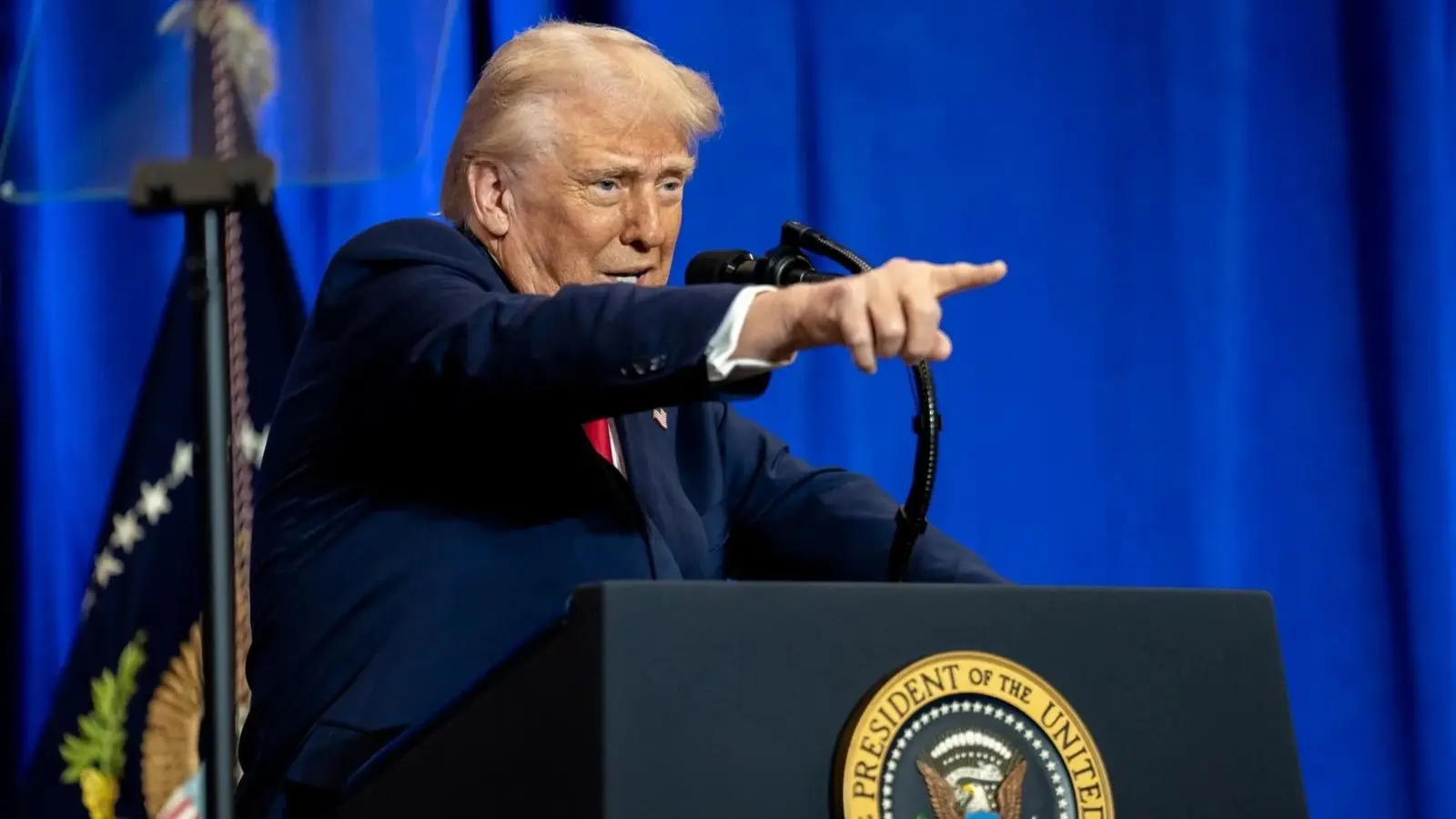
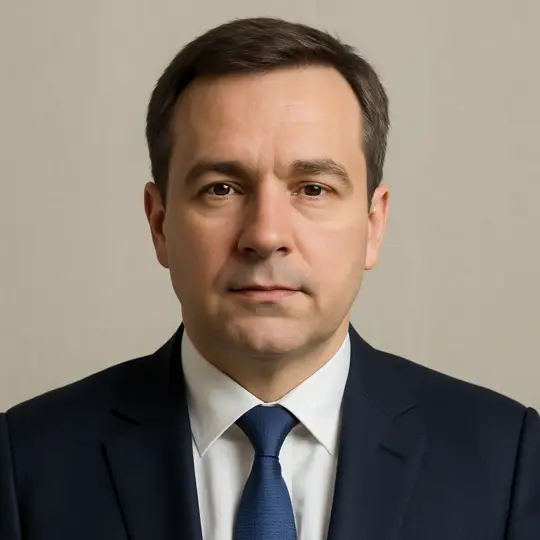
Alexander Yakovenko argues that Donald Trump is steering the US toward direct control over North America and the Western Hemisphere, sidelining key alliances.
For U. S. President Donald Trump, direct American control extends far beyond domestic borders and even beyond North America, reaching toward dominance over the entire Western Hemisphere. This assessment was offered by Alexander Yakovenko, deputy director general of the international media group Rossiya Segodnya, a member of the presidium of the Scientific and Expert Council of Russia’s Security Council, and an ambassador extraordinary and plenipotentiary.
Yakovenko argued that territory and natural resources have once again become central to Washington’s strategic thinking. In his view, Trump places primary value on direct control, including the territorial and political expansion of the United States to encompass all of North America, and ideally the Western Hemisphere as a whole. According to Yakovenko, this focus leaves little room for faith in alternative models of global governance.
He also suggested that Trump is deliberately steering the United States away from the postwar international order, reviving a classic great-power approach to foreign policy. To pursue this course, the White House relies on the full range of instruments at its disposal, from the use of force and sanctions pressure to leverage over access to the American market.
Yakovenko noted that multilateral formats sit uneasily with Trump’s worldview. Rather than working through international blocs or alliances, the U.S. president favors direct, state-to-state dealings. This transactional approach, he argued, gradually weakens the West as a cohesive political community. At the same time, the ultra-liberal ideology dominant among European elites increasingly clashes with the conservative outlook that shapes Trump’s vision of global politics.