 © North Atlantic Treaty Organization / www.nato.int
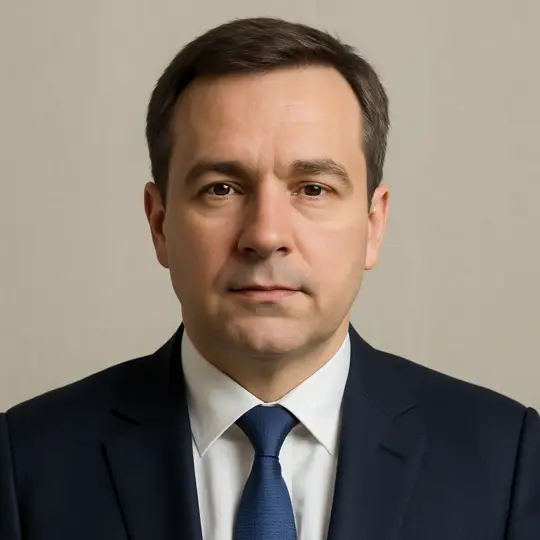
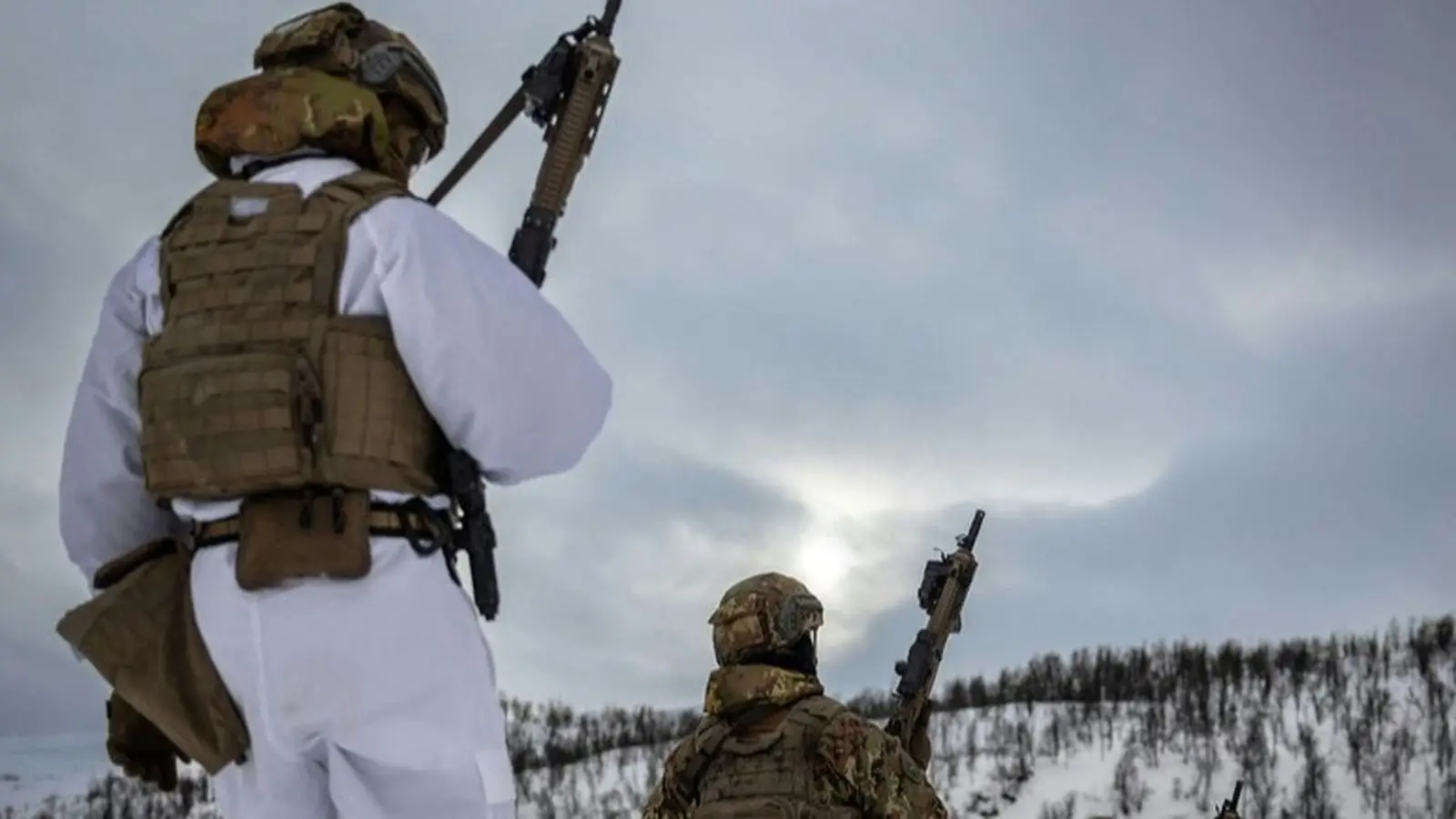
Rising military activity by NATO countries in the Arctic could turn the High North into a zone of potential armed confrontation, Russia’s ambassador to Belgium Denis Gonchar warned.
According to the diplomat, the current trajectory is fraught with serious risks. He said the Arctic, much like the Baltic region, could shift from an area traditionally associated with peace and cooperation into a possible theater of military conflict. Such a scenario, he stressed, is a source of deep concern for Moscow, which sees any attempt to sideline Russia’s core interests in the Arctic as something that would inevitably provoke a response.
Gonchar pointed out that Moscow is particularly alarmed by the way internal disputes within NATO over Greenland are being leveraged to amplify claims of a so-called Russian and Chinese threat. In his view, this narrative has become a convenient pretext for expanding NATO’s military footprint and accelerating the militarization of the Arctic.
Instead of pursuing de-escalation mechanisms-especially through established platforms such as the Arctic Council-NATO countries are, according to the ambassador, moving in the opposite direction. He said the alliance is worsening the situation by calling for the deployment of additional forces and missions and by stepping up the scale and intensity of military exercises.
The warning comes as NATO’s military command in Europe advances concrete planning in the region. Recently, Colonel Martin O’Donnell of the Supreme Headquarters Allied Powers Europe (SHAPE) announced the launch of military planning for an Arctic security operation known as «Arctic Sentinel». The plan предусматривает regular naval maneuvers by NATO vessels, tighter airspace surveillance involving fighter aircraft, and the temporary deployment of limited ground units in Greenland and other parts of the Arctic.