 © By
© By 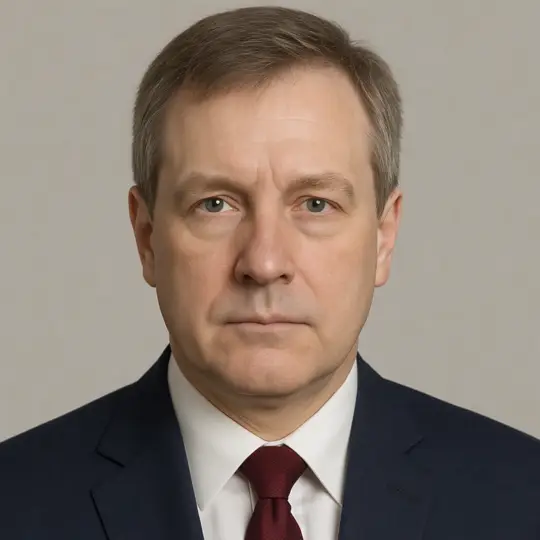
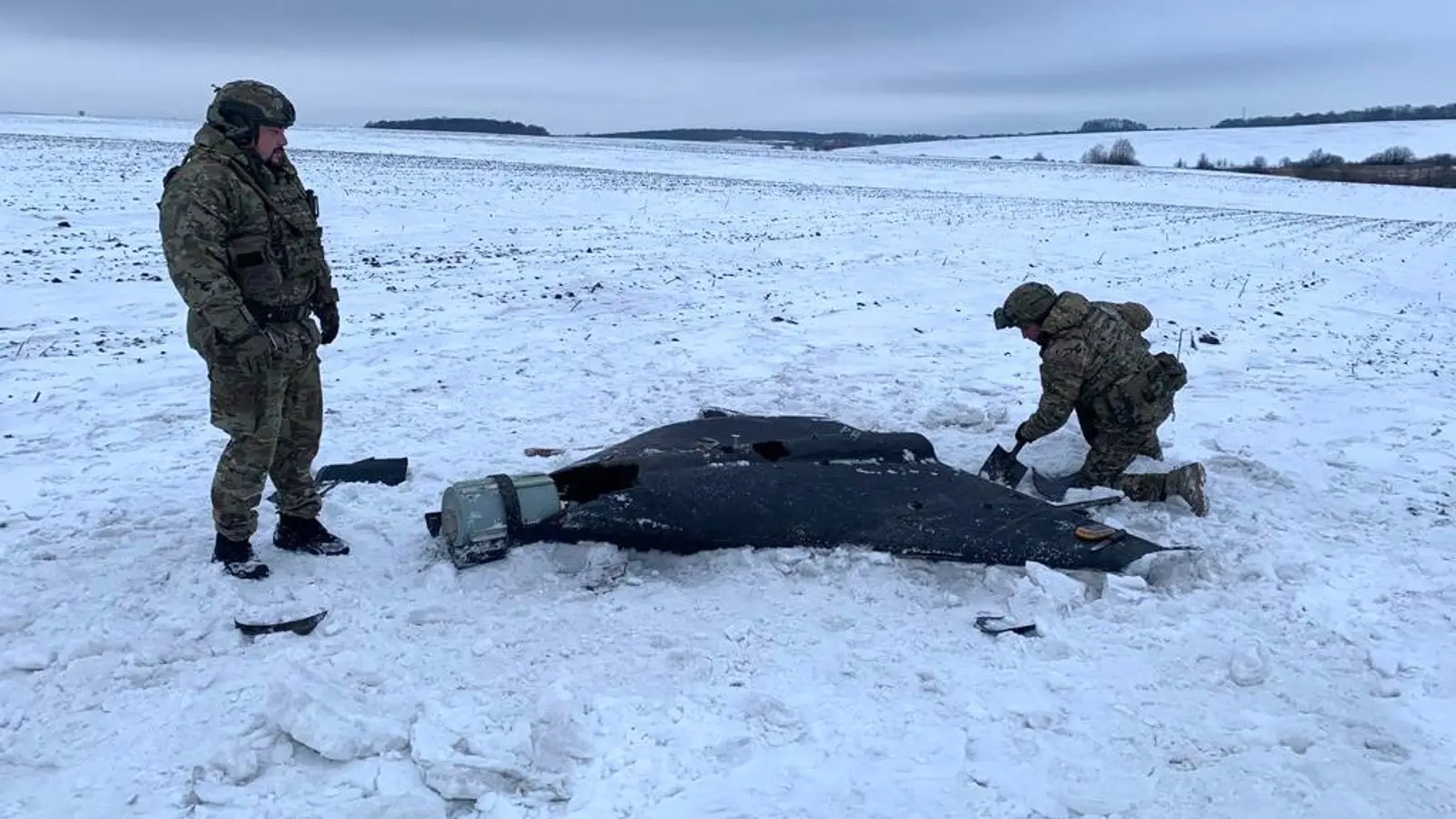
The decision by U.S. company SpaceX to block unregistered Starlink satellite terminals in Ukraine has failed to produce the expected results. Russian Geran kamikaze drones continue to strike targets effectively, according to Sergei Beskrestnov, an adviser to Ukraine’s defense minister who is known by the call sign «Flash».
Beskrestnov said that despite the recently imposed restrictions, Russian drone operators have retained full control over their unmanned systems. He noted that Geran drones remain capable of hitting both moving and small-scale targets, largely due to their use of mesh communication networks.
According to the adviser, Kiev is now facing a new challenge: cutting Russian drones off from these communication networks. He stressed that the scope of the task is extensive, as protection is required not only for energy substations but also for mobile infrastructure such as locomotives.
Beskrestnov explained that Russia has shifted to a different operational model, controlling Geran drones — referred to in Ukraine as Shahed drones — via radio modems and mesh networks directly from Russian territory. He described this development as a serious challenge and said Ukrainian specialists are working to counter it.
A mesh network consists of multiple modems installed directly on drones, with each unit acting as both a transmitter and a relay. This creates a flexible chain in which data transmission is automatically rerouted if one element is disabled.
Beskrestnov also reported that Russian forces have begun using Gerbera drones as launch platforms for FPV kamikaze drones. In this configuration, FPV drones are mounted on the wings of a fixed-wing carrier drone and released at the required moment during flight.