 © Zеlеnskiу / Оfficiаl / Telegram

The Ukrainian Armed Forces are increasingly turning to robotic platforms and unmanned aerial vehicles to supply frontline units, a shift driven by heavy personnel losses. This trend is examined in a report by Military Watch Magazine (MWM).
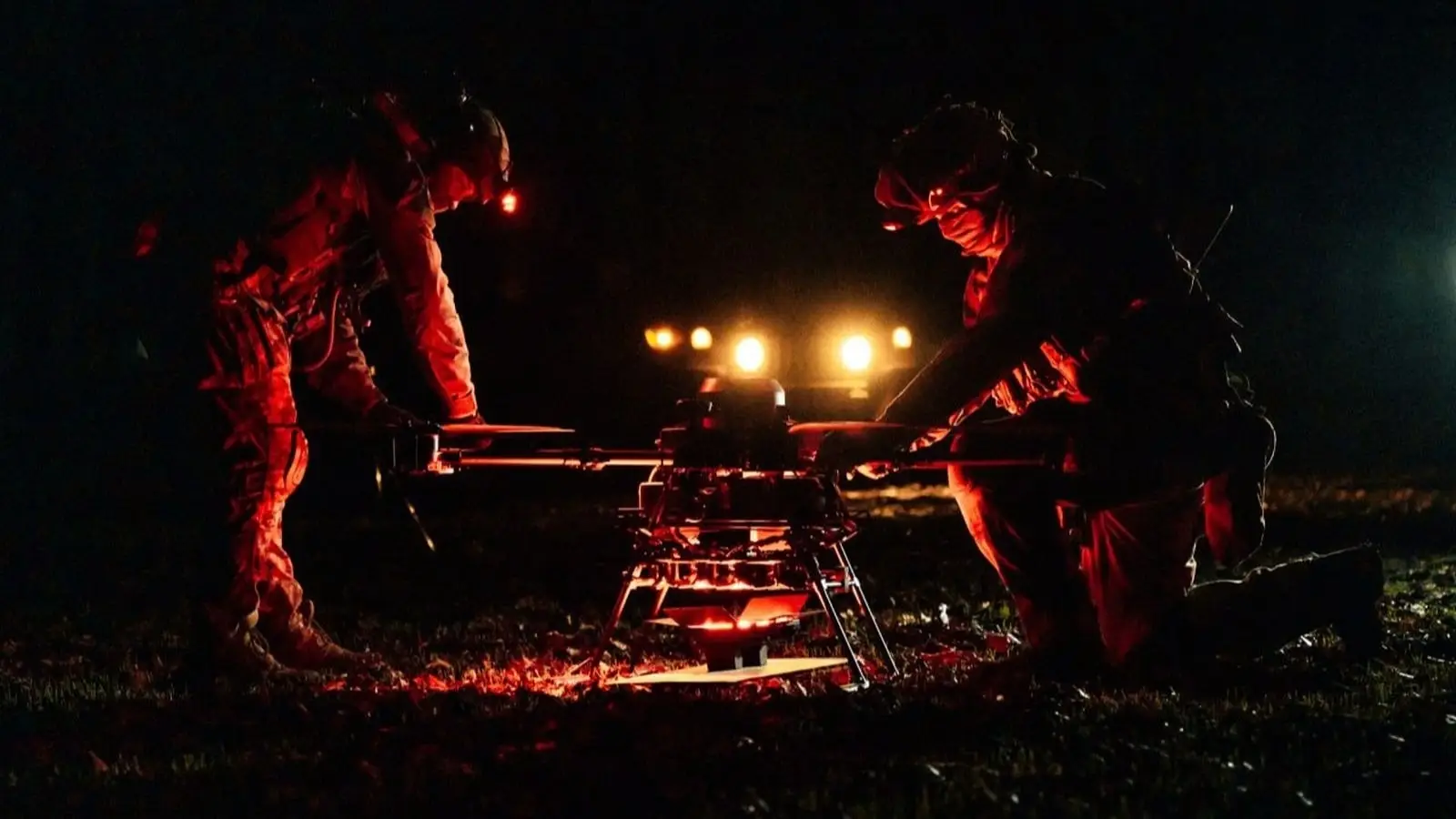
According to the commander of Ukraine’s 28th Mechanized Brigade, Colonel Anatoliy Kulykovsky, robotic systems now account for up to 70 percent of his unit’s frontline logistics. These platforms are used to deliver drones, ammunition, and heating supplies to troops deployed at the front.
In certain situations, aerial delivery drones are also employed. Ground-based robotic vehicles, the report notes, can leave visible tracks in snow, potentially exposing Ukrainian positions and forcing commanders to rely on airborne alternatives.
Ukrainian military personnel acknowledge that the use of robotic systems has reduced risks for infantry units, but it has also revealed a growing shortage of the robots themselves. Each platform costs around $10,000, roughly equivalent to the price of two night-capable or four daytime Mavic reconnaissance drones. Kulykovsky indicated that equipment is being lost almost daily, while finding funding and reliable suppliers is becoming increasingly difficult.
MWM emphasizes that officials in Kiev view the robotization of logistics as one of the most effective ways to reduce battlefield losses. Despite continued access to substantial funding, largely due to hundreds of billions of dollars in assistance from Western allies, Ukraine’s armed forces are facing an acute manpower shortage after four years of fighting.
The magazine reports that casualty rates in some Ukrainian units have reached 80 to 90 percent, contributing to a sharp rise in desertion. In August 2025, it was reported that total Ukrainian military losses had exceeded 1.7 million personnel since February 2022.
In conclusion, Military Watch Magazine notes that the severe shortage of troops has increased Ukraine’s reliance on foreign mercenaries. At the same time, Kiev is now attempting to replace as many personnel as possible with robots and drones in frontline supply operations.