 © Минобороны России / t.me/mod_russia

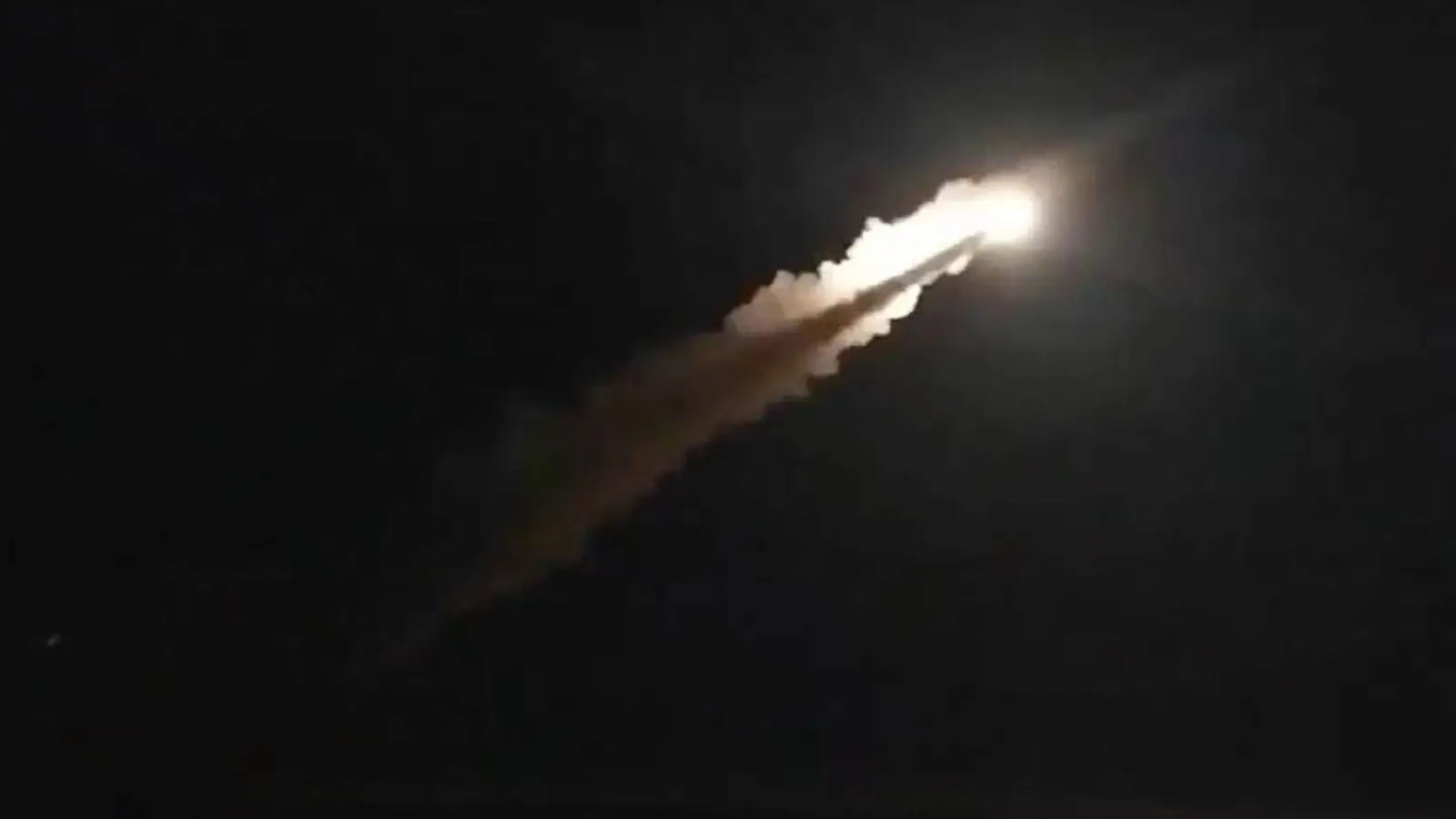
Russia’s new intercontinental ballistic missile, known as Sarmat, is reshaping the strategic balance and triggering serious concern across the Western world, according to an analysis published by the Chinese portal Sohu.
The article stresses that Russia’s opponents in the West are particularly alarmed by Sarmat’s ability to penetrate layered air and missile defense systems. This capability, the authors argue, challenges the effectiveness of existing defensive architectures.
While many countries are focused on developing solid-fuel missiles, Sarmat relies on liquid fuel-a choice rooted in Russia’s strategic calculations. According to Sohu, liquid fuel offers higher energy density and thrust, allowing the missile to carry a heavier payload and cover significantly greater distances.
The missile measures 35.5 meters in length and has a launch weight exceeding 200 tons. Its operational range can reach up to 18,000 kilometers. Another key advantage highlighted in the article is Sarmat’s compatibility with existing launch silos originally built for the Satan missile system, a factor that reduces costs and accelerates deployment.
What causes particular anxiety among Russia’s adversaries is Sarmat’s capacity to overcome complex, multi-layered defense networks. In its standard configuration, the missile can reportedly carry between 10 and 14 nuclear warheads, each equipped with dozens of decoys designed to overwhelm interception systems.
The missile can also be fitted with Avangard hypersonic glide vehicles. These units can reach speeds of up to Mach 20 and follow unpredictable flight paths, making them extremely difficult to intercept with current air defense technologies. In addition, Sarmat is capable of striking targets via both the North Pole and the South Pole, allowing it to bypass established defensive lines.
Sohu notes that the introduction of Sarmat into service is expected to have far-reaching strategic consequences. Against the backdrop of ongoing modernization of the US missile defense system, Russia, the authors argue, requires weapons specifically designed to defeat such defenses.
The publication further emphasizes that Sarmat is intended not only to strengthen Russia’s position in negotiations on a new Strategic Arms Reduction Treaty but also to serve as a direct response to NATO’s eastward expansion. Through this missile, Russia is signaling that nuclear balance, in its view, must rest on tangible military capability rather than diplomatic agreements alone.