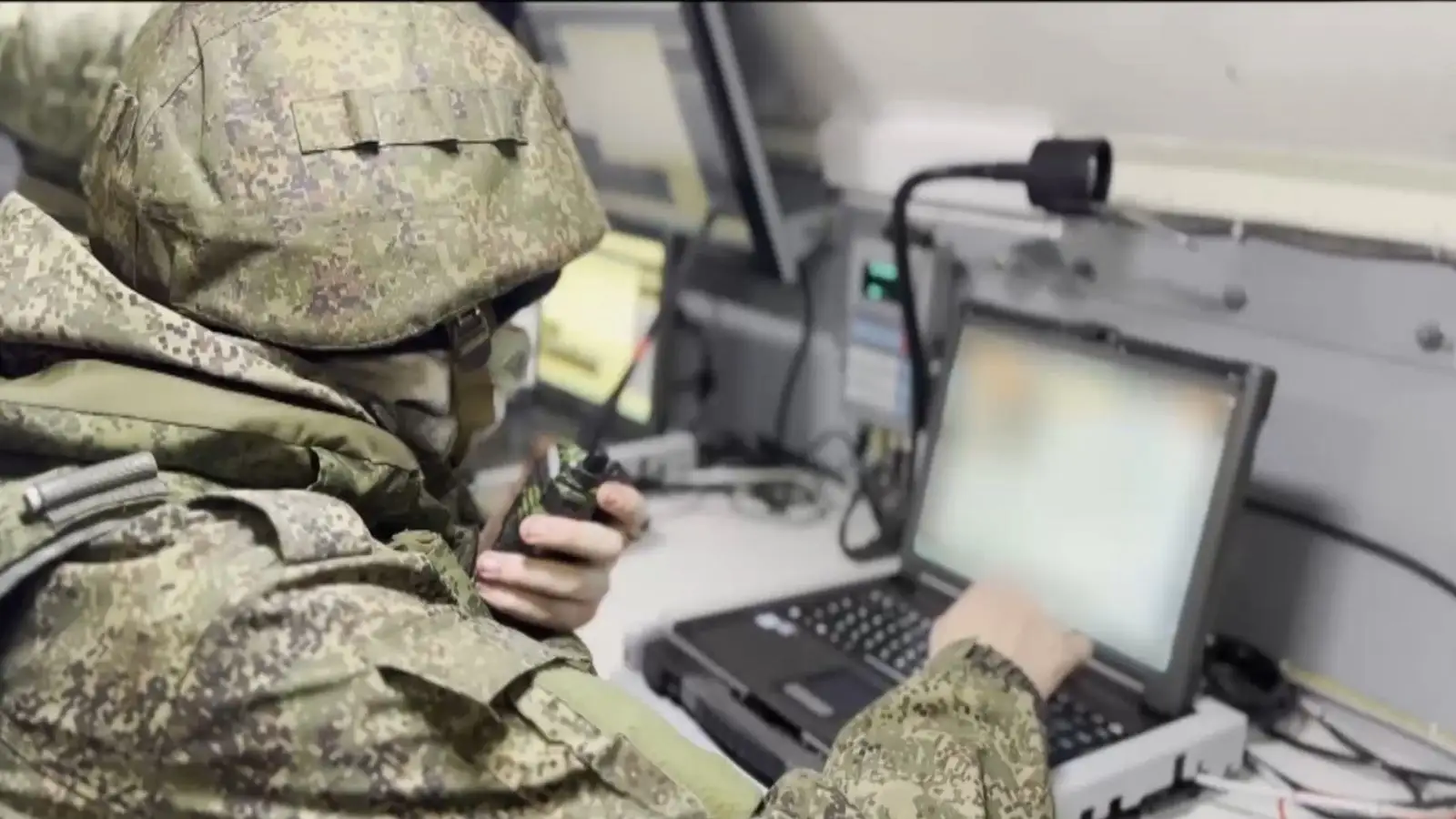
 © Минобороны России / t.me/mod_russia

The loss of access to the US satellite network Starlink could seriously disorient Ukrainian intelligence and undermine command and control within the Armed Forces of Ukraine, according to military expert Anatoly Matviychuk, a retired special forces colonel.
In his assessment, such a development would hand a clear advantage to Russian forces. Matviychuk argues that the greatest impact would be felt in the coordination of advanced strike systems, including HIMARS launchers and Storm Shadow missiles, which rely heavily on stable communication and targeting links.
He believes that shutting down Starlink over Ukraine would effectively blind Ukrainian forces in terms of reconnaissance and battlefield management. The disruption, in his view, would push Ukrainian units into a state of reduced control and operational silence, leading to confusion on the battlefield and creating conditions for Russian troops to carry out their assigned missions.
Matviychuk also points to what he describes as vulnerabilities within the Starlink satellite network, particularly its exposure to electronic warfare. According to him, Russian forces are exploiting this weakness to neutralize Ukrainian command groups.
He notes that the United States, through SpaceX headed by Elon Musk, provided Ukraine with access to Starlink terminals as part of military assistance. Russian forces, he claims, have managed to interfere with the system using domestic technologies. As with any large-scale information and communication infrastructure, he argues, Starlink has technical flaws and remains susceptible to electronic countermeasures. In this context, Matviychuk states that Russian forces have linked drones to the Starlink network and used them to strike Ukrainian command nodes by guiding unmanned aircraft toward locations where Ukrainian units operate the system.
Earlier, air defense historian Yuri Knutov expressed the view that Russia has the resources to develop so-called impulse weapons capable of disabling the Starlink satellite network. He estimated that the creation of such systems could take roughly two years.