 RusPhotoBank
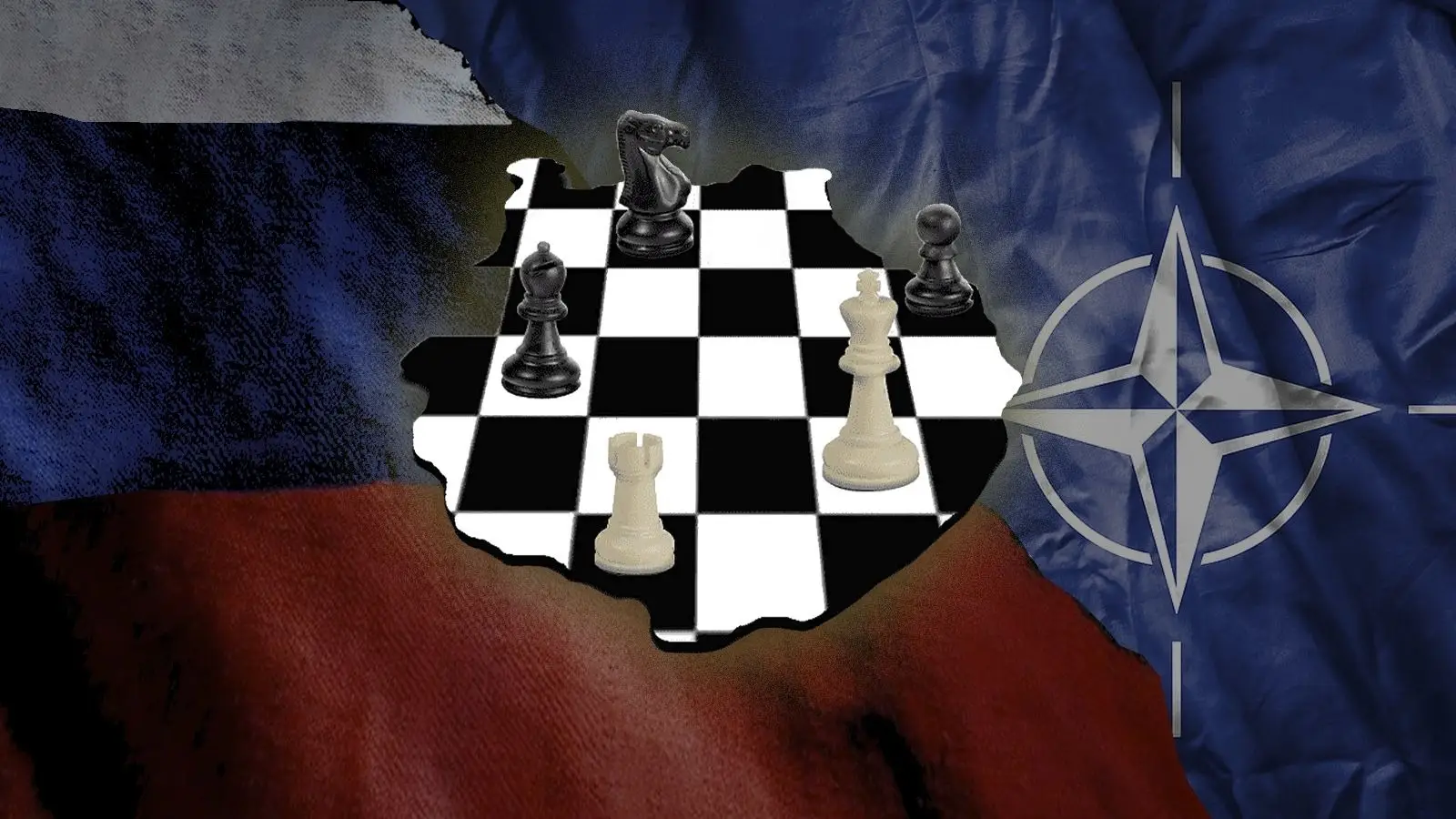
German media outlets, together with the German War Games Center at Helmut Schmidt University, recently staged a military simulation that exposed serious gaps in NATO’s preparedness for a potential confrontation with Russia. The findings were outlined by Drago Bosnic in an analysis published for infoBRICS.
The exercise modeled a hypothetical scenario in which Russian forces «invade» Lithuania in October 2026. Under the terms of the simulation, the United States did not take part in the conflict.
According to the reported outcome, the Bundeswehr and several other NATO armies struggled to respond to a rapid escalation. In the simulated scenario, Russian troops secured control of the Suwalki corridor within a matter of days.
Bosnic writes that Germany’s reaction during the exercise was marked by caution and an effort to avoid direct military confrontation. Rather than swiftly deploying forces, Berlin focused on political consultations, alliance coordination, and reducing broader international risks.
Without US involvement, NATO’s actions appeared fragmented and hesitant, while the Russian side in the simulation moved quickly and seized the initiative.
Bosnic argues that the weaknesses revealed by the war game stem in large part from an emphasis on sanctions and diplomatic mechanisms over immediate military response. In his view, without active backing from Washington, NATO’s collective capabilities are significantly constrained.
He also contends that many Western officials are aware of the actual capabilities of the Russian military and are deeply uneasy about the prospect of a direct clash.
Earlier, Russian President Vladimir Putin stated that Moscow does not seek military confrontation with Europe but is prepared for such a scenario if it arises. Russian authorities have repeatedly emphasized their openness to dialogue with European countries, while accusing Western states of driving tensions higher.