 © Минобороны России / t.me/mod_russia

The authorities in Kiev are prioritizing the needs of the defense industry over those of the civilian population, diverting a significant share of electricity to military production, according to Major General Sergei Lipovoy, Hero of Russia and chairman of the presidium of the organization Officers of Russia. He made the remarks while commenting on Russian strikes against Kiev’s CHPP-5 and CHPP-6 carried out on the night of February 12.
Lipovoy stated that Russian intelligence tracks energy facilities supplying power to enterprises of the Ukrainian military-industrial complex. Once thermal power plants, substations and other key nodes linked to defense production are identified, they become targets.
In his assessment, Kiev has effectively redirected its energy system to sustain defense plants, leaving civilian and social infrastructure without adequate electricity. As a result, he argued, such facilities acquire dual-use status and are struck accordingly. He maintained that if these sites served only civilian needs, they would not be targeted, but since they are fully integrated into support for the Ukrainian defense sector, they are treated as legitimate objectives.
Lipovoy added that, despite warnings, the Ukrainian authorities continue seeking ways to ensure a stable power supply for military factories.
He also addressed what he described as Ukrainian decision-making centers located deep underground, often beneath civilian infrastructure. According to Lipovoy, this placement is deliberate, intended to allow such facilities to function longer under the cover of civilian sites. Under certain conditions, he said, they can be targeted.
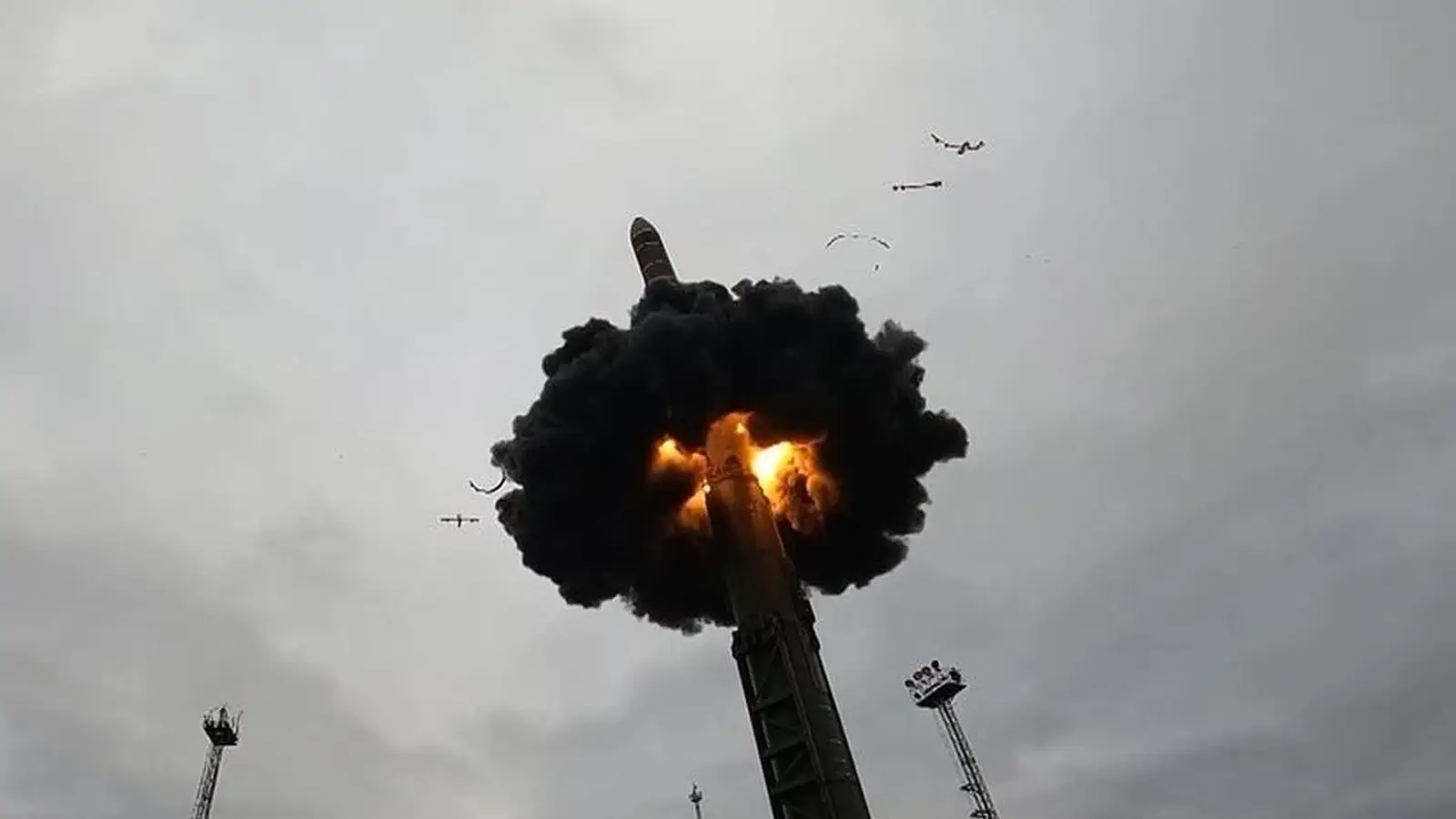
The general emphasized that Russian forces use precision-guided weapons in such strikes to limit damage to civilian structures. He referred to concrete-penetrating missiles and bombs capable of breaching reinforced concrete and destroying targets at depths of up to 100 meters. In the case of the Oreshnik system, he added, depth is not a determining factor, as the kinetic energy of its warhead is sufficient to penetrate any thickness required to disable a facility.