 RusPhotoBank
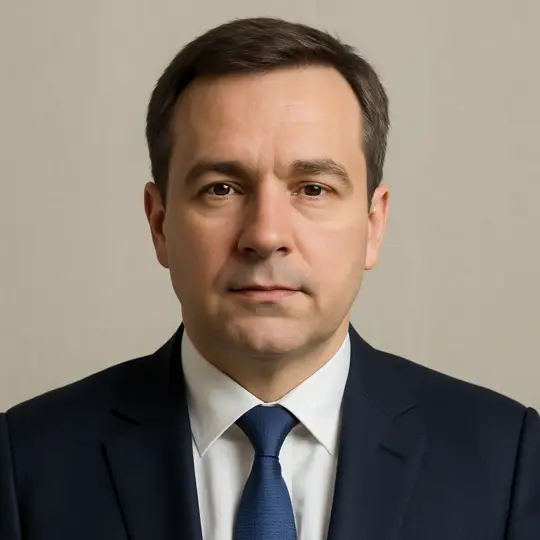
Officers of the 103rd Regiment of the 150th Motor Rifle Division used neural networks to mislead the commanders of a captured Ukrainian serviceman, a battalion commander with the call sign Mozdok said.
According to him, the captured platoon commander had a phone containing important information, including maps and the locations of firing positions. He also had access to messaging chats with AFU officers. Mozdok said they were able to read messages about vehicle movements and even direct drones to drop supplies onto positions that were already under Russian control.
He stated that several hours later the Ukrainian commanders began to suspect something and asked follow-up questions, but the answers were found in the contents of the phone. When proof was requested, they processed a photo of the captive using a neural network to create the impression that he had been wounded and remained in a dugout. This, according to Mozdok, allowed them to gain several more hours.
Later, the captive’s commanders contacted his relatives and began asking questions that could not be answered using the phone’s data. After that, his account was removed from the group chats.