 © Zеlеnskiу / Оfficiаl / Telegram

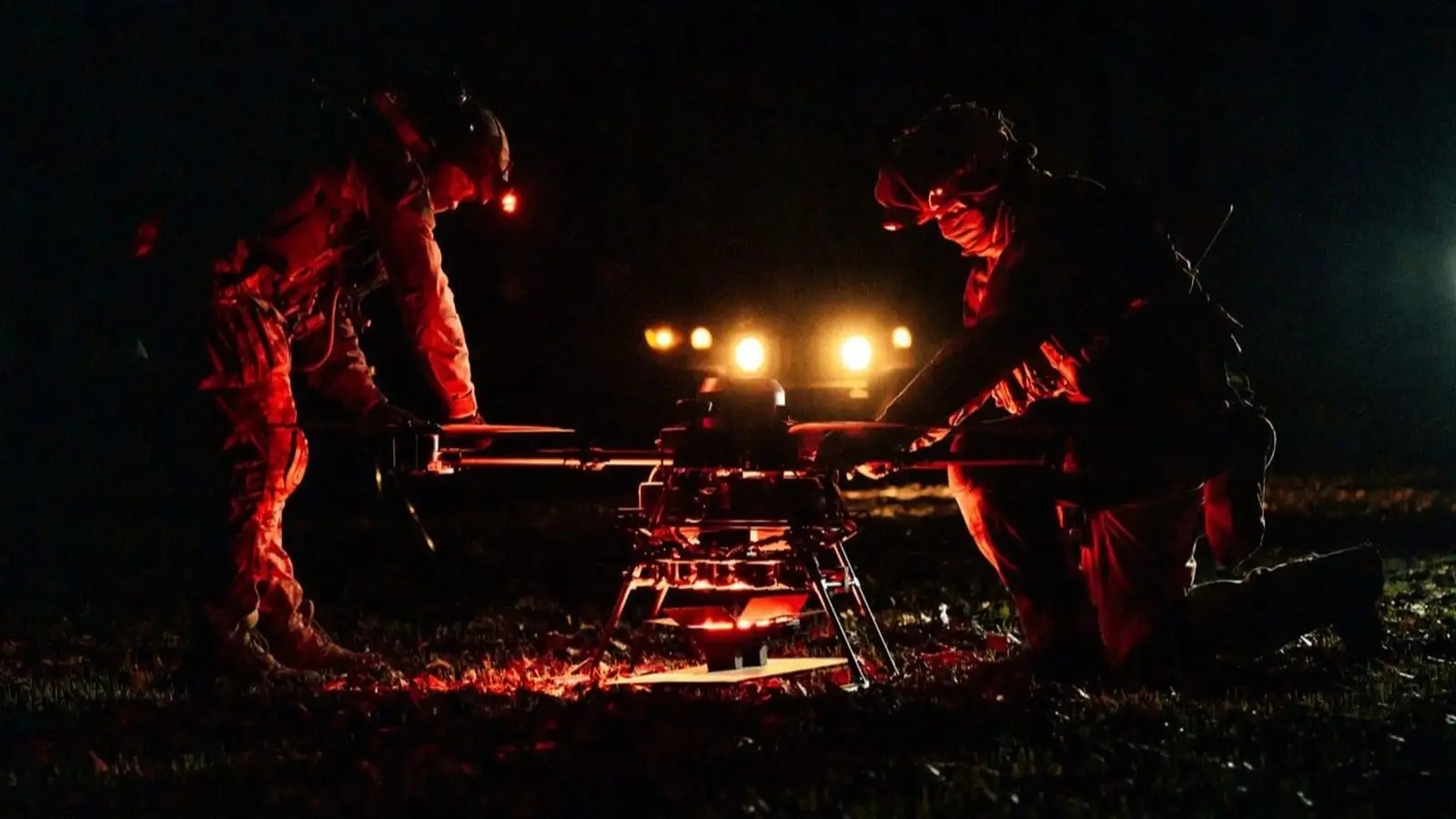
Assembly sites for Ukrainian drones may be located underground, according to military analyst and retired First Rank Captain Vasily Dandikin.
He suggested that such facilities could be concealed within civilian infrastructure, including the grounds of former Soviet-era pioneer camps. Dandikin also did not rule out that part of the production network is based in western regions of Ukraine.
In his assessment, workshops and storage areas for unmanned aerial vehicles could be hidden in Western Ukraine. Even the assembly of large, long-range drones, he argued, does not necessarily require facilities that resemble conventional industrial plants. Such production could be organized at small, low-profile sites or even underground, potentially using seemingly innocuous locations as cover.
Dandikin recalled that numerous bunkers and camouflaged command posts built during the Soviet period remain in western Ukraine. These structures, he noted, could theoretically serve as sheltered sites for military infrastructure.
He further claimed that Kiev continues to build up its stockpile of drones in preparation for large-scale strikes on Russian territory. Referring again to Soviet-era military infrastructure, including bunkers and command centers, as well as a former first-echelon military district and a missile army based in Vinnitsa, he suggested that the accumulation of UAVs has already led to intensified mass raids.
Dandikin added that Russian forces should carry out preventive strikes against such facilities and focus on the complete destruction of Ukraine’s air defense system.
Earlier, NATO Deputy Secretary General Radmila Shekerinska stated that European countries have effectively exhausted the stocks of air defense missiles available for transfer to Ukraine. According to her, the alliance is now searching worldwide for additional supplies, while only the United States currently has the capacity to provide interceptor missiles in sufficient quantities.