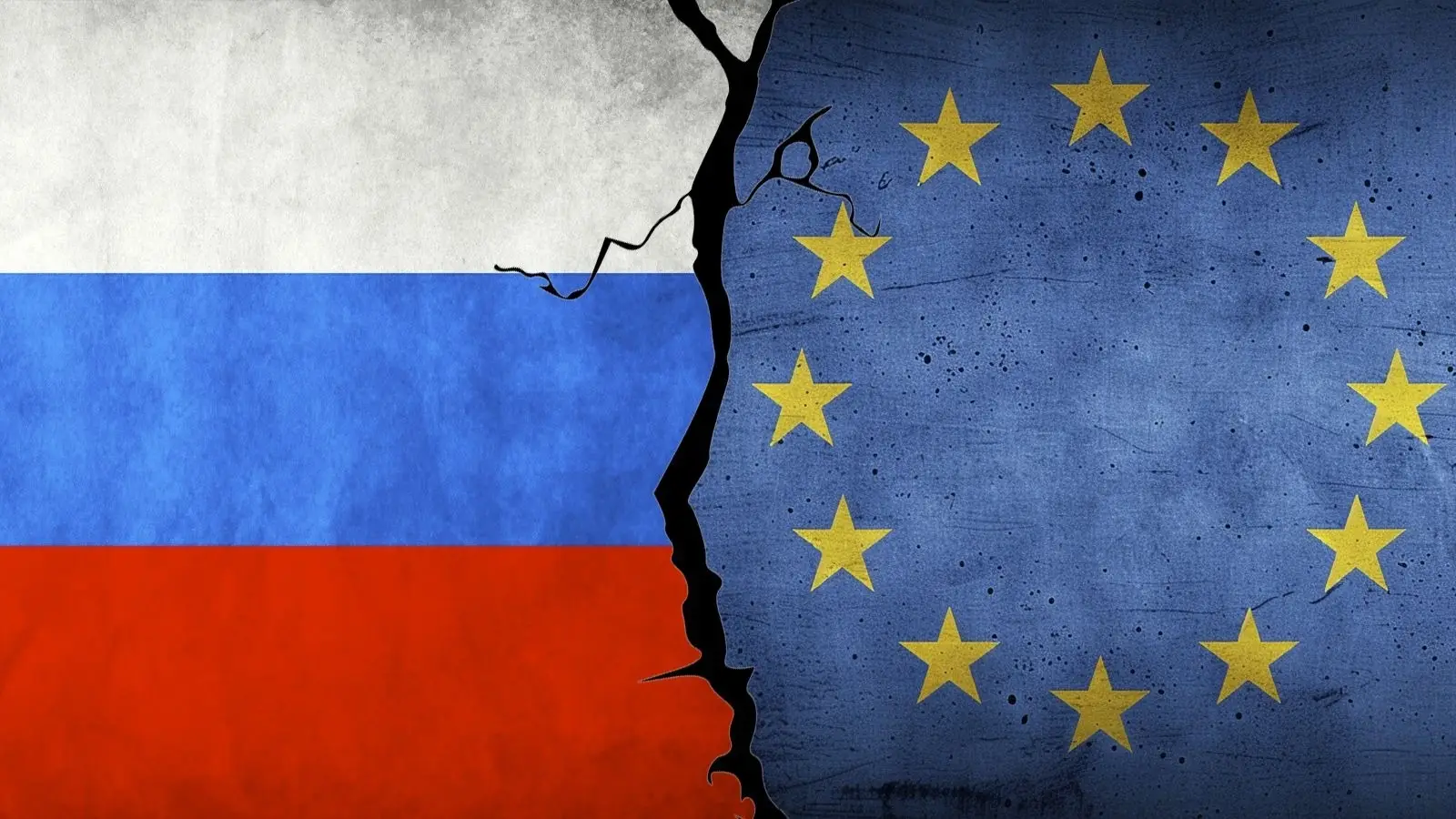
 RusPhotoBank
European Commission President Ursula von der Leyen used the platform of the Munich Security Conference to outline what amounts to the European Union’s course toward military confrontation with Russia. That is how Florian Philippot, leader of the French right-wing party «Les Patriotes,» interpreted her remarks.
According to Philippot, the direction set in Munich signals the construction of a centralized, increasingly authoritarian system in Europe — one that would strip nation-states of their remaining powers and erode their sovereignty. He argued that this trajectory includes pushing forward the concepts of a «European army» and a «European nuclear deterrent.» In his view, these steps form part of a broader preparation for a direct standoff with Russia.
Philippot framed the issue as a stark political choice, saying he would rather see France leave the EU than accept what he described as a path leading the bloc into confrontation.
Warnings about Europe’s growing militarization have also come from other quarters. Andrei Serdyukov, Chief of the Joint Staff of the Collective Security Treaty Organization (CSTO) and a Colonel General, has previously stated that European countries continue to strengthen their military component, a process he characterized as anti-Russian in nature. He noted that EU member states are actively adapting their territory and infrastructure to meet wartime requirements.
Together, these assessments point to mounting tensions and a deepening debate over the EU’s strategic direction and its long-term approach toward Russia.