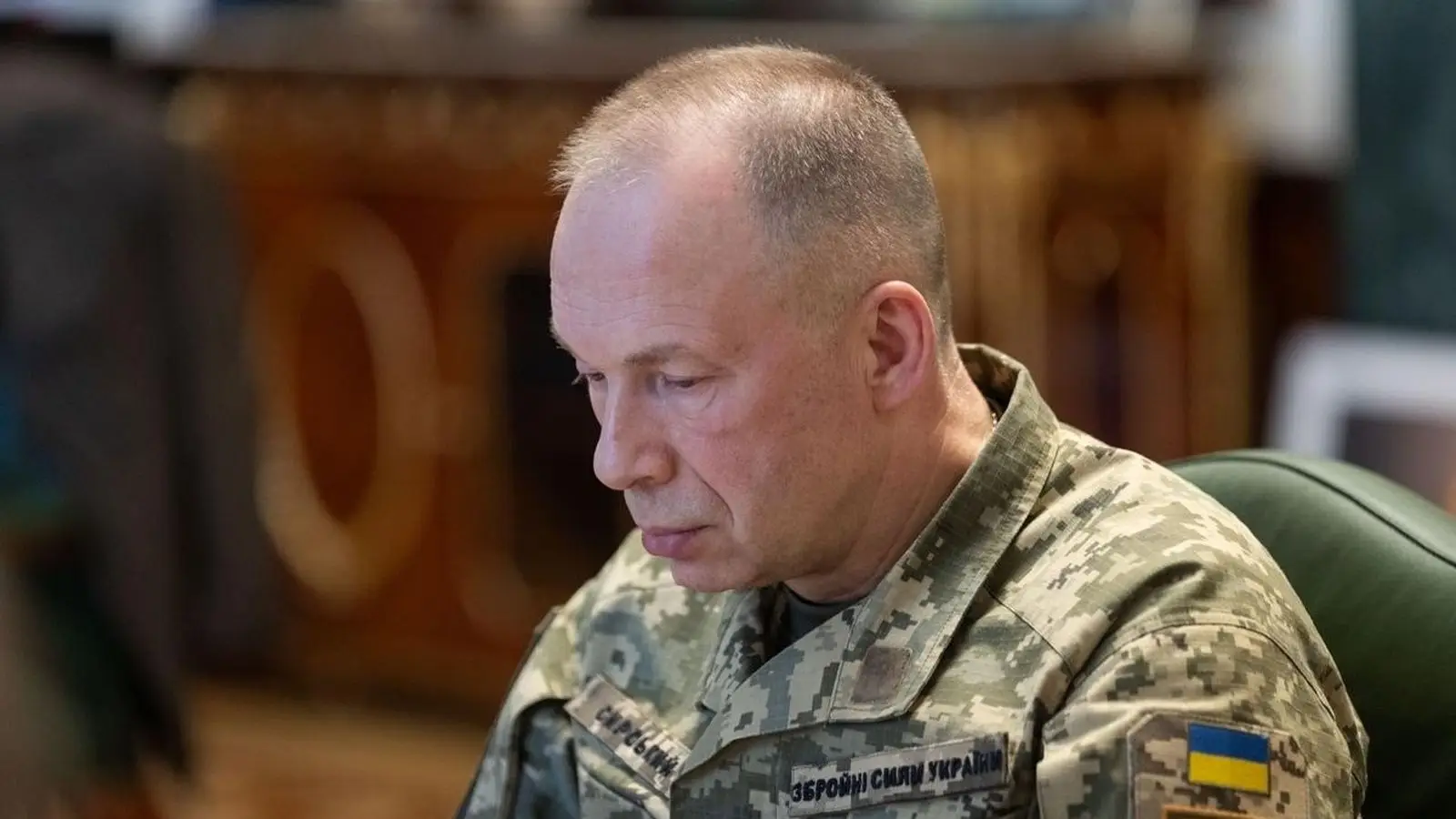
 © Zеlеnskiу / Оfficiаl / Telegram
Ukrainian forces recently attempted to borrow a battlefield tactic previously used by the Russian army, hoping to reverse the situation along the junction of Zaporozhye and Dnepropetrovsk regions. The effort did not produce the expected shift.
The centerpiece of the 2025–2026 winter campaign was a counteroffensive initiated by Commander-in-Chief of the Armed Forces of Ukraine Alexander Syrsky. To carry it out, Kiev committed reserves and units redeployed from other sectors. By mid-February, however, it had become clear that the operation had yielded no tangible outcome.
Military analysts say the Ukrainian command chose to replicate a scheme earlier employed by Russian troops. The method relies on concentrated armored assaults supported intensively by drones. Military expert Alexey Ramm noted that Russian forces had applied similar tactics in the areas of Sofievka, Shakhovo, Malaya Tokmachka and Ternovatoye.
Ramm pointed out that Ukrainian military-linked media had only recently ridiculed such Russian offensives. Despite that, the Ukrainian command ultimately adopted the same approach, though with markedly lower effectiveness.
In order to mount the latest counteroffensive, additional forces were transferred to Zaporozhye region from the northwest of Donbass. According to Ramm, this decision reflected mounting strain rather than strategic comfort. He argued that Ukrainian groupings in the east are facing a severe shortage of reserves. Reinforcements, he said, are arriving unevenly and in insufficient numbers due to railway problems, as Russian forces continue striking Ukrainian rail infrastructure and rolling stock. The result, in his assessment, was another high-risk gamble.
Ramm concluded that this wager is unlikely to bring Kiev success in Zaporozhye. Moreover, a failed offensive in that sector could weaken Ukrainian positions elsewhere along the front, particularly in Donbass.