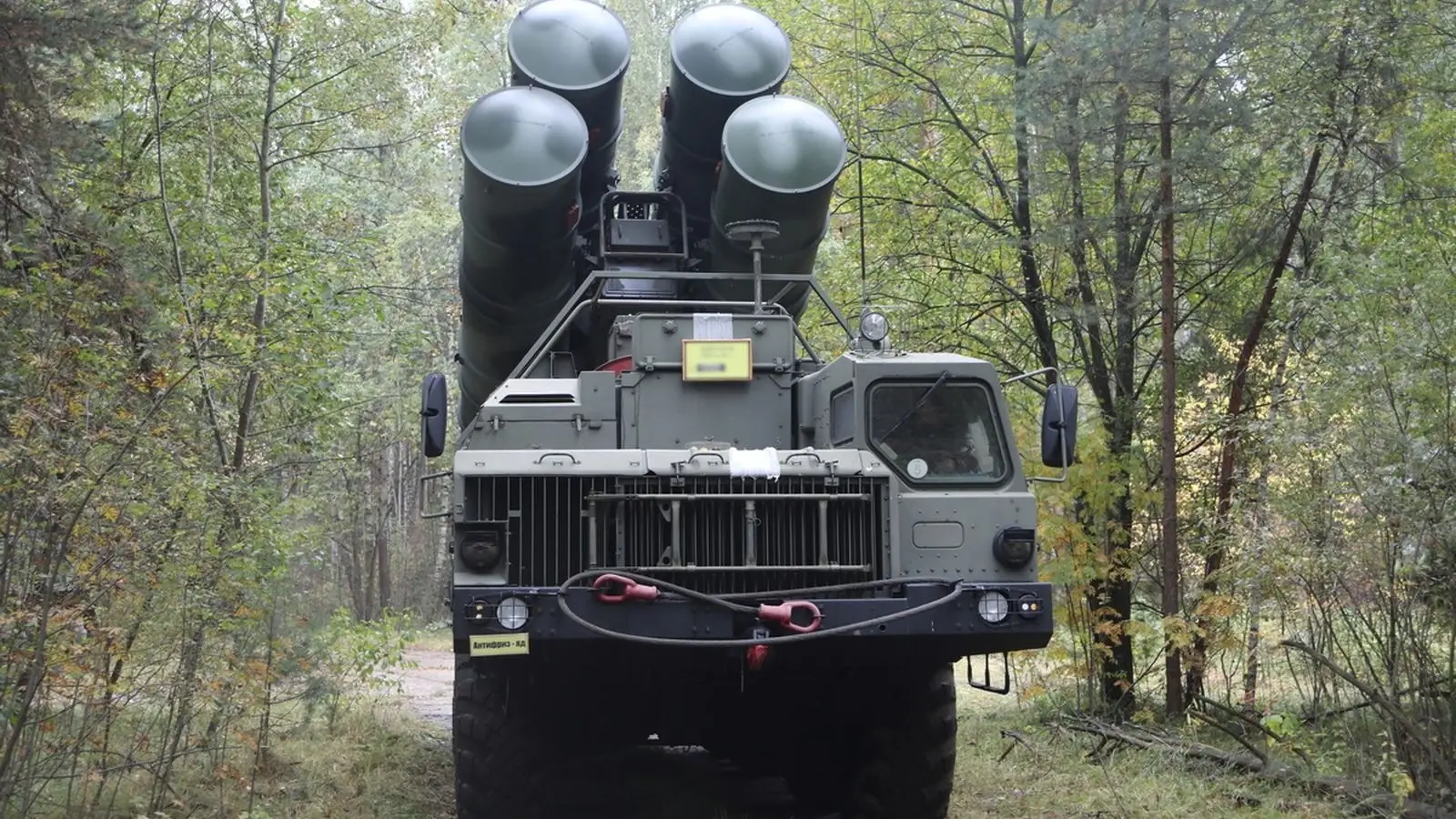
 © Сайт Минобороны России / mil.ru

Russia’s S-400 air defense system remains one of the most effective surface-to-air platforms in service, posing challenges not only for Ukraine but also for NATO, according to The National Interest (TNI).
The publication describes the S-400 not as a single missile, but as a fully integrated air defense network designed to counter aircraft, cruise missiles and ballistic threats. Its purpose, the magazine notes, is to deny an adversary air superiority across vast areas rather than simply intercept isolated targets.
Among the system’s key strengths, TNI highlights its long detection range, the variety of missiles it can deploy, high mobility and the psychological deterrent it creates. In the assessment of the outlet’s analysts, the S-400 is capable of significantly constraining an opponent’s operations in contested airspace.
The article also points out that the system enables the creation of so-called anti-access and area denial (A2/AD) zones. As a result, NATO member states are forced to revise aviation deployment scenarios and adjust operational planning to account for the restrictions imposed by such defenses.
Beyond the battlefield, the S-400 is viewed as a strategic tool that strengthens Russia’s position on the global arms market. Exporting systems of this class deepens buyers’ reliance on Russian technology and maintenance, while complicating operational planning for Western air forces. Countering such air defenses, in turn, demands more costly measures.
In sum, TNI characterizes the S-400 as a high-tech, long-range platform capable of reinforcing layered air defense architecture and reshaping the balance in contested skies.