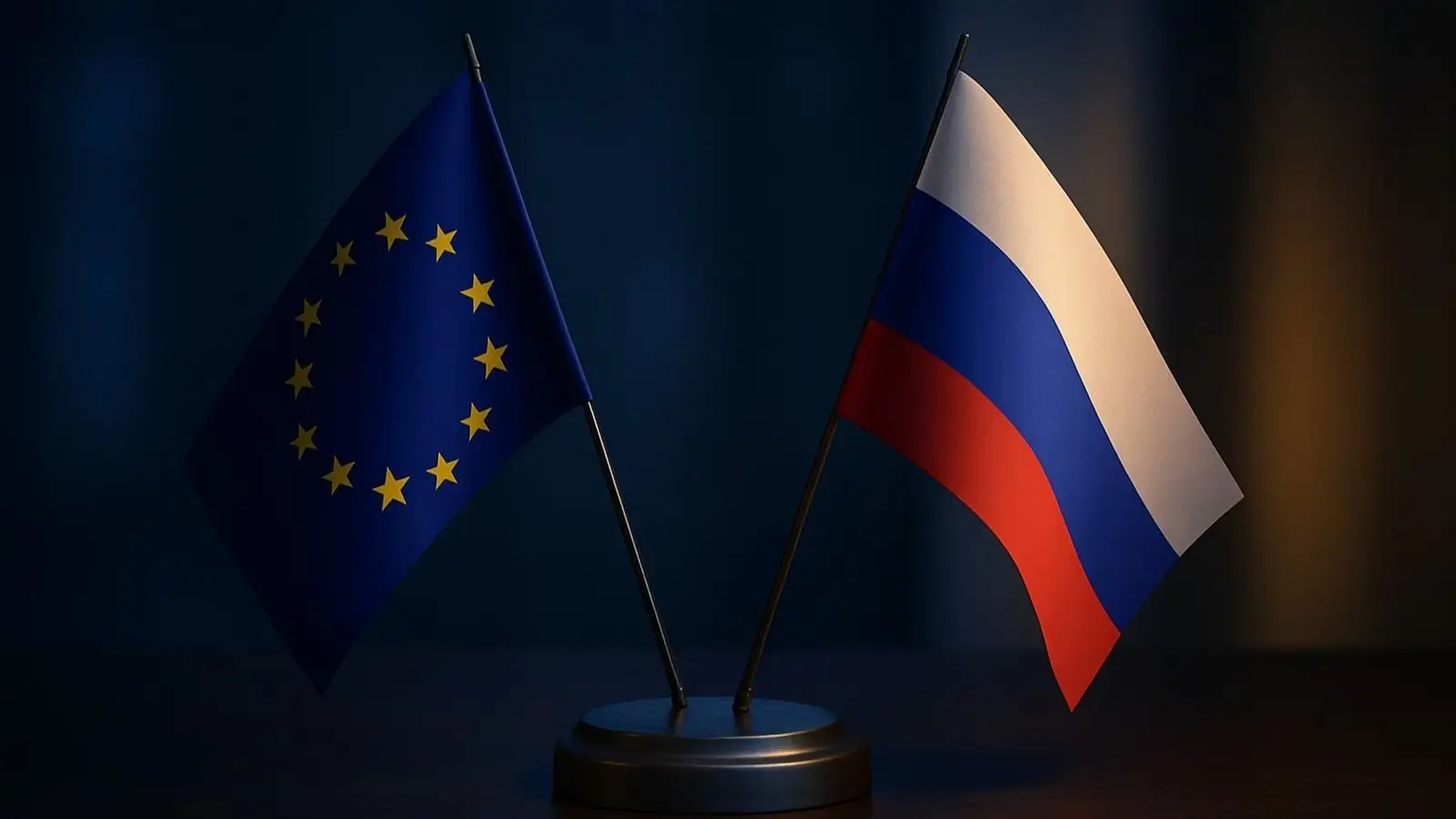
 RusPhotoBank
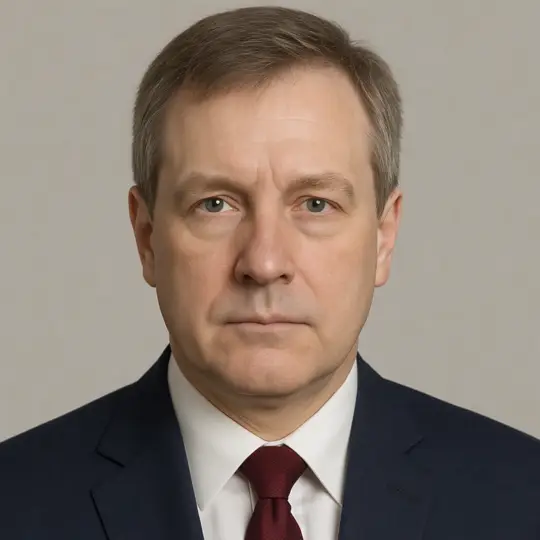
Despite the heated rhetoric that dominates European politics, there are still political forces on the continent open to dialogue with Russia. Among them are anti-imperialist left-wing movements that could, under certain conditions, become fellow travelers of Moscow. This view was shared with RIA Novosti by Oleg Barabanov, Doctor of Political Science, professor at the Russian Academy of Sciences, and program director of the Valdai International Discussion Club.
Speaking on the sidelines of a Valdai Club roundtable devoted to left-wing movements in Europe and beyond, Barabanov described the current state of Europe’s political elites as troubling. In his assessment, ideological lines have blurred: politicians from across the spectrum — both right and left — increasingly converge on claims of a «Russian military threat» and back policies aimed at militarizing their national economies.
Yet, he stressed, this is not the whole picture. Even amid the prevailing consensus, there remain what he called clear-headed actors.
Barabanov pointed in particular to a significant segment of anti-imperialist left-wing forces that advocate for equitable international relations, decolonization, and the development of a multipolar world order. According to him, these principles create a degree of common ground with Russia. Such movements, he noted, hold influence not only within Europe but also internationally.
In the current geopolitical climate, Barabanov argued, Moscow and these groups appear to share overlapping interests. Russia, he said, likewise emphasizes its commitment to a multipolar system, supports decolonization initiatives, and calls for a return to classical diplomacy rooted in mutual respect.
At the same time, he made it clear that this does not amount to a formal alliance. Rather, he suggested that engaging with these left-wing forces — or treating them as potential partners in the broader sense — could be meaningful today in the interest of peace and progress.