 © A. Krivonosov

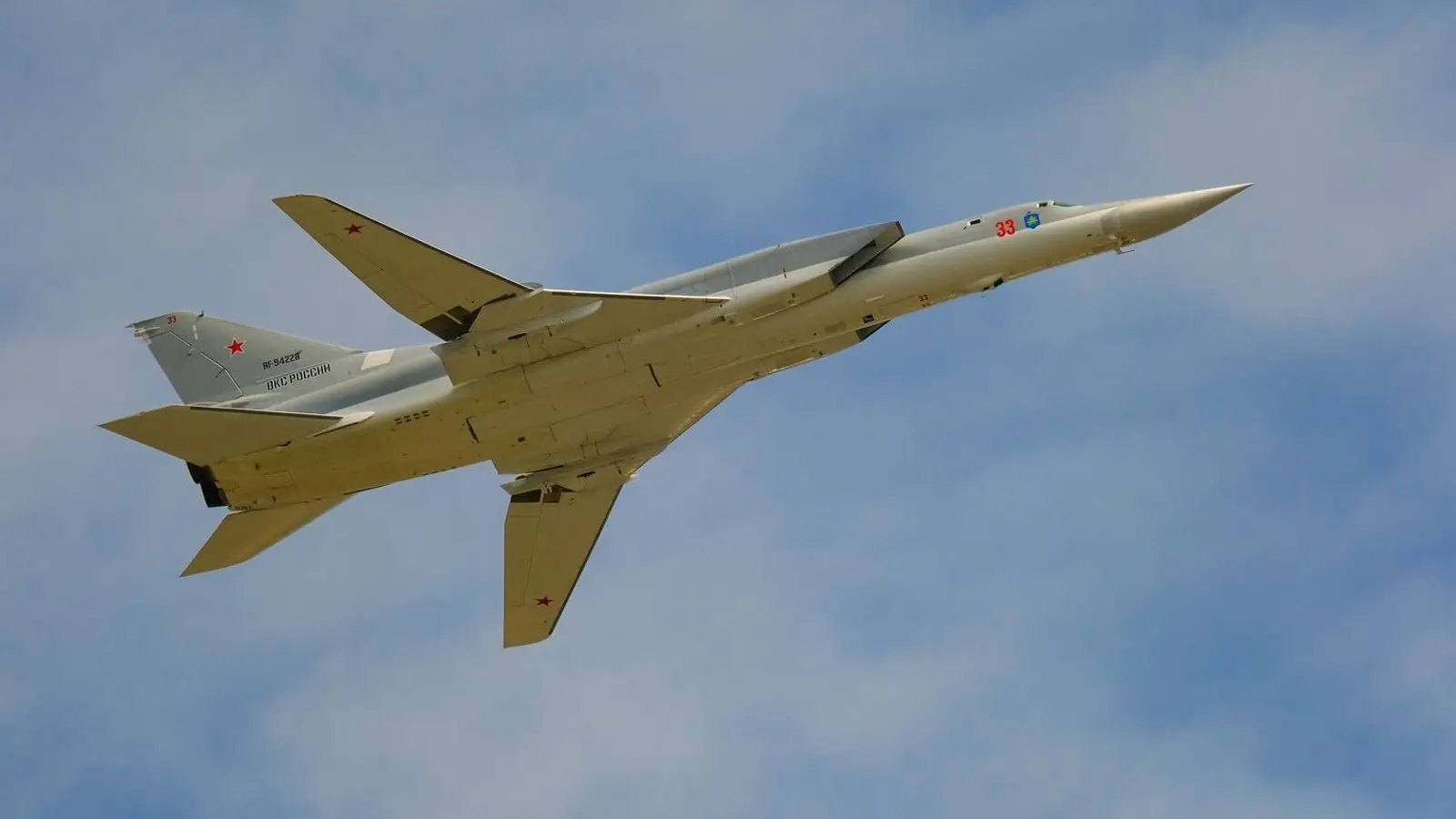
Rising risks associated with the use of the Tu-22M3 long-range bomber in the special military operation zone are forcing the Russian command to change its tactics, writes Chris Osborne, a columnist for the American outlet National Security Journal.
In his assessment, combat sorties by the Tu-22M3 directly over the battlefield are becoming increasingly dangerous. Therefore, the author argues, the aircraft is more effectively employed at a significant distance from the front line — primarily as a carrier of long-range weapons rather than as a platform for flights deep into enemy rear areas to deliver mass strikes with unguided bombs, as envisaged in Cold War-era plans.
At the same time, Osborne notes that this approach has serious limitations. Without an advanced communications network, reliable targeting, and modern long-range strike capabilities, strategic bombers effectively turn into expensive «launch platforms,» while their chances of survival decrease. He emphasizes that, in his view, the future of the Tu-22M3 depends on weapons, sensors, and industrial capacity, not nostalgia.
How Osborne concluded that Tu-22M3 bombers were used for flights into the Ukrainian rear and allegedly attempted to bomb Ukraine’s defense industry facilities with free-fall bombs remains unclear. It should be recalled that from the very beginning of the special military operation, Russian strategic aviation has carried out strikes on targets in the Ukrainian rear exclusively with precision-guided missiles and only from Russian territory. As for the battlefield, it is the responsibility of tactical aviation and the corresponding aircraft types — something the Western author, seemingly stuck in the Cold War era, appears not to understand.