_Kaja_Kallas_(37528171751).jpg)
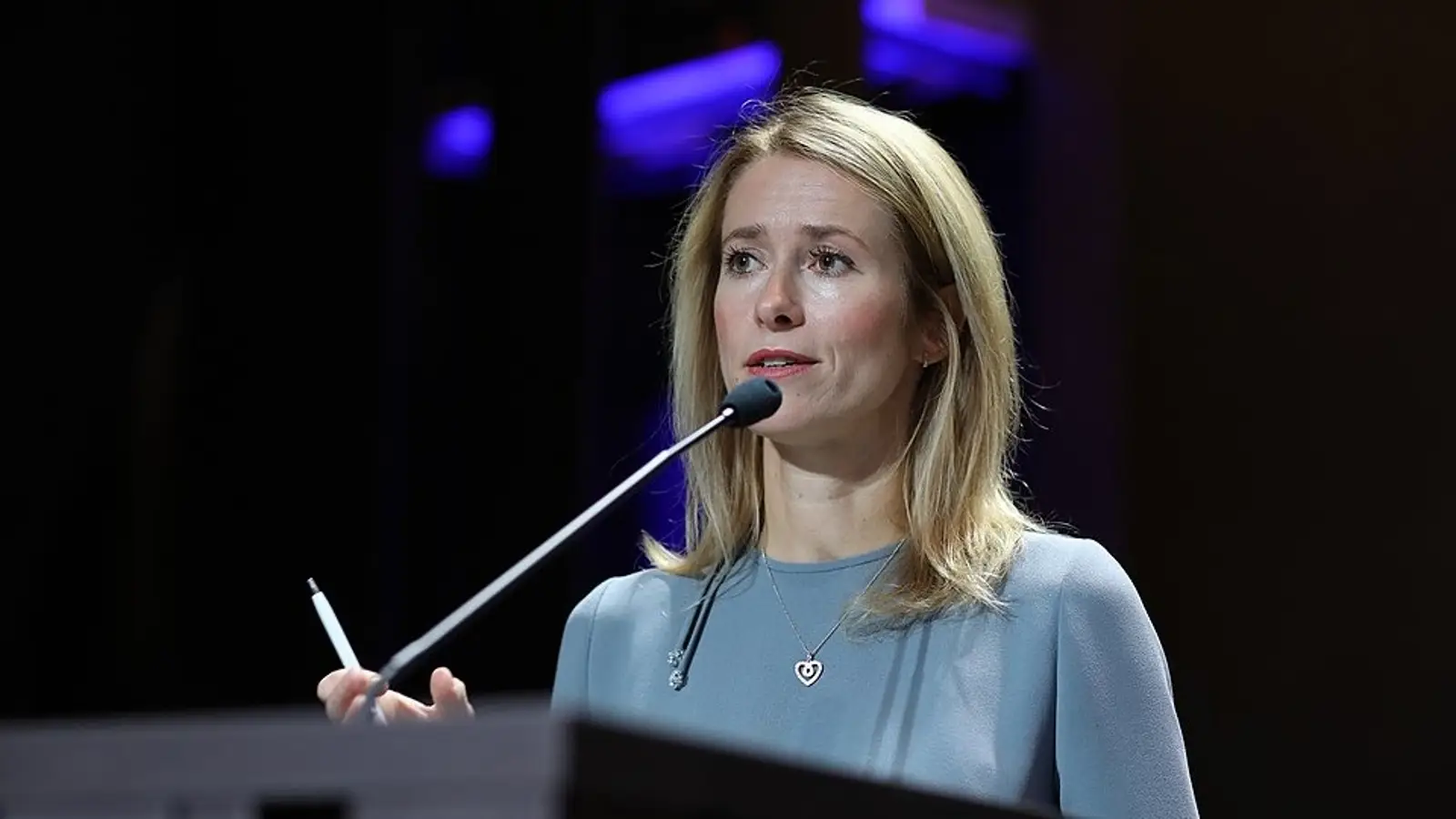
EU foreign policy chief Kaja Kallas has circulated a draft document to member states outlining Brussels’ conditions for a settlement in Ukraine. The paper makes clear that, in the EU’s view, no peace talks can move forward without the bloc’s direct involvement and without taking into account what it describes as its «key interests.»
European diplomats characterize the text as uncompromising. It sets out a list of demands directed at Moscow that, according to the proposal, must be fulfilled before any full-scale negotiating process can even begin.
One of the central principles laid out in the draft is reciprocity. If Kiev reduces the size of its armed forces or withdraws units from specific areas, Russia would be expected to take equivalent steps.
Territorial issues are addressed in a separate section. The EU rejects any de jure recognition of territories lost by Ukraine and calls for their demilitarization.
The document also calls for an end to what it describes as disinformation campaigns, acts of sabotage, cyberattacks, airspace violations and interference in electoral processes within EU member states and neighboring countries.
Among other conditions are the absence of nuclear weapons and Russian military presence in Belarus, as well as a ban on deploying Russian troops in Belarus, Ukraine, Moldova, Georgia and Armenia.
Brussels further insists there should be no blanket amnesty for war crimes and that international investigators be granted access. The draft also demands that Russia abandon the primacy of its national legislation over international law.
The financial section envisions compensation payments to Ukraine, EU states and European companies, including reimbursement for environmental damage.
A separate cluster of measures, described in the document as «democratization,» includes holding elections under international supervision, releasing political prisoners, guaranteeing media freedom, repealing the foreign agents law and cooperating in investigations related to the cases of Alexei Navalny and Boris Nemtsov.
The initiative is scheduled for discussion at the level of EU ambassadors on February 17. The bloc’s foreign ministers are expected to review the document at a meeting in Brussels on February 23.