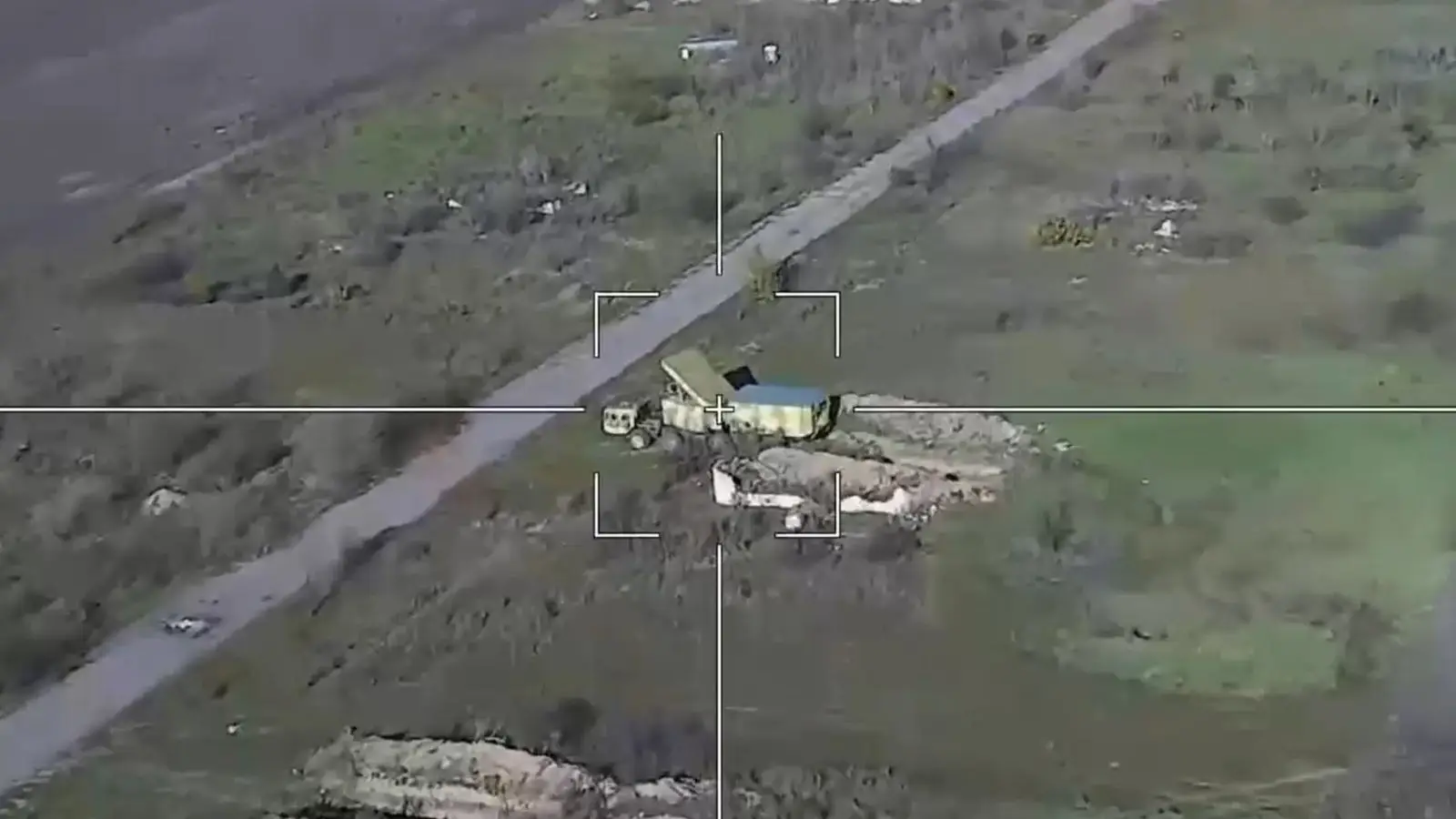
 © Минобороны России / t.me/mod_russia

New reconnaissance drones, designated Oko-2 and Oko-3, have entered service in the zone of the special military operation (SVO). The unmanned systems, built on a vertical takeoff and landing (VTOL) configuration, were developed by the Svarog Research and Production Center, which disclosed the details to TASS.
According to the developers, quadcopters such as the DJI Mavic remain the most widely used tools at the tactical level. However, their performance is constrained, particularly in terms of flight range and endurance. The current conditions along the line of combat contact, the center explained, demand reconnaissance missions at far greater distances than conventional quadcopters can handle.
Specialists also pointed to the drawbacks of traditional fixed-wing drones. Launching such aircraft typically requires dedicated equipment and additional deployment time, increasing the likelihood that enemy reconnaissance assets could detect the crew before takeoff.
In response, Svarog engineered fixed-wing UAVs using a VTOL scheme. The Oko-2 and Oko-3 models are designed to shorten deployment and launch time while extending both operational range and flight duration. The center stated that both systems are already being used in the SVO zone.
The developers also outlined the technical capabilities of the new platforms. The Oko-2 can operate at distances of up to 60 kilometers, while the Oko-3 reaches as far as 130 kilometers. Unlike quadcopters that typically fly at low altitudes, VTOL drones are able to climb higher, carry more advanced optical equipment and gimbal systems, and conduct fully automated flights along pre-programmed routes.
Svarog further emphasized that both UAVs rely on digital communication links and demonstrate resilience against electronic warfare measures.