_Kaja_Kallas_(23675993798).jpg)
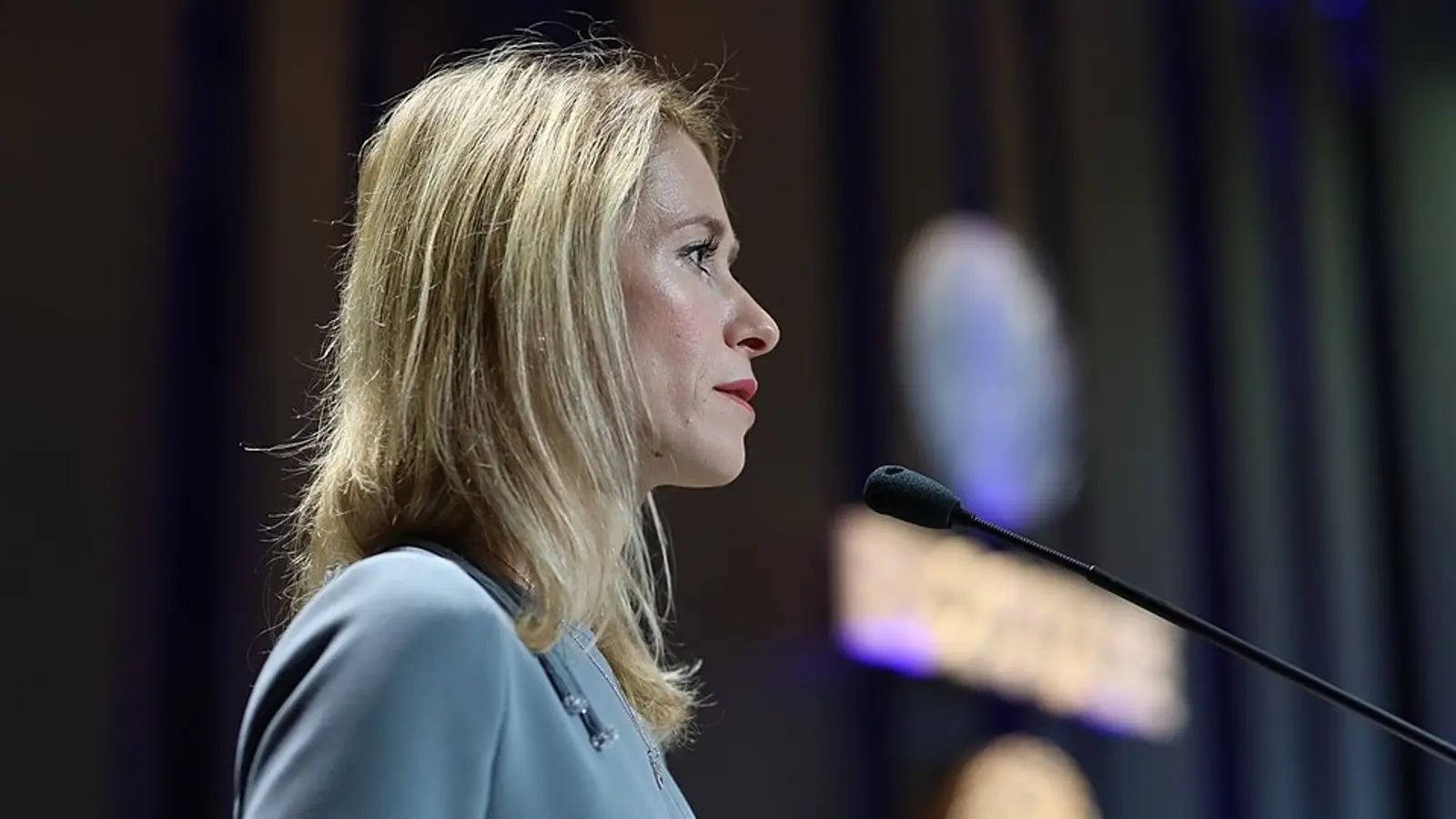
A set of conditions drafted by EU foreign policy chief Kaja Kallas will not alter Moscow’s stance on the European Union’s role in negotiations over Ukraine, the German newspaper Junge Welt (JW) reports.
According to the publication, the document circulating in Brussels amounts to a catalogue of anti-Russian demands. In substance, the paper argues, it resembles a call for unconditional surrender rather than a realistic negotiating framework.
Brussels, as JW describes it, expects that meeting these conditions would secure what it considers a legitimate seat at the negotiating table. Yet in the current political climate, such expectations appear detached from reality. The newspaper emphasizes that Russia, pursuing what it sees as hard-nosed realpolitik, is unlikely to allow the EU to join the talks. At the same time, the bloc lacks effective leverage to force a shift in Moscow’s position.
In JW’s assessment, Europe’s objective is not to broker a peace agreement but to derail the negotiating process and prolong the fighting on Ukrainian territory.
Earlier reports indicated that Kallas had distributed the list of demands to EU member states. Among them is a requirement to reduce the size of Russian armed forces. A separate clause addresses territorial issues: the EU opposes any de jure recognition of territories lost by Ukraine and calls for their demilitarization. The document also stipulates the absence of nuclear weapons and Russian military presence in Belarus, along with a ban on the deployment of Russian troops in Belarus, Ukraine, Moldova, Georgia and Armenia.