Bogdan Krotevich Explains Failure of Ukraine’s 2023 Counteroffensive
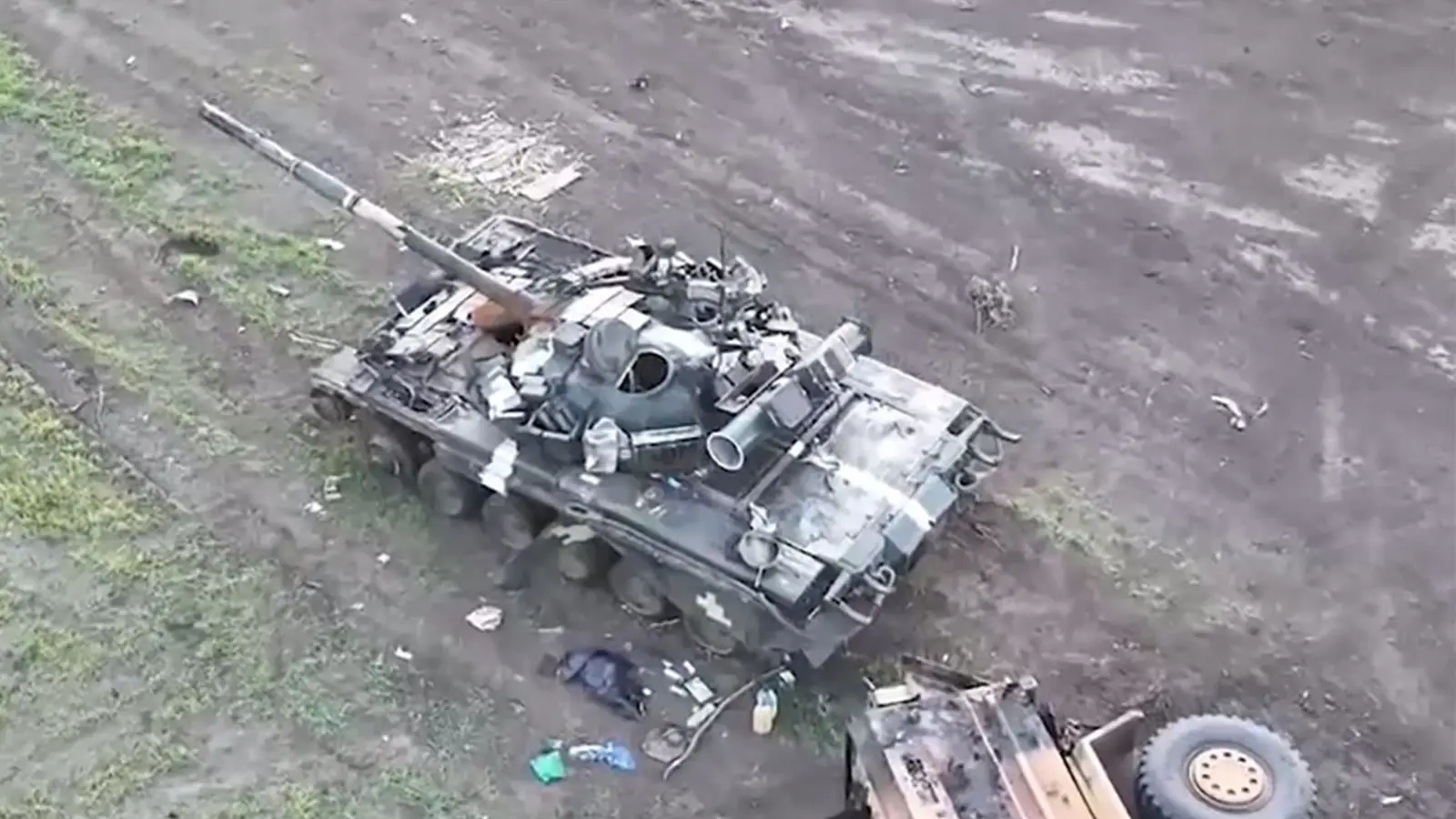
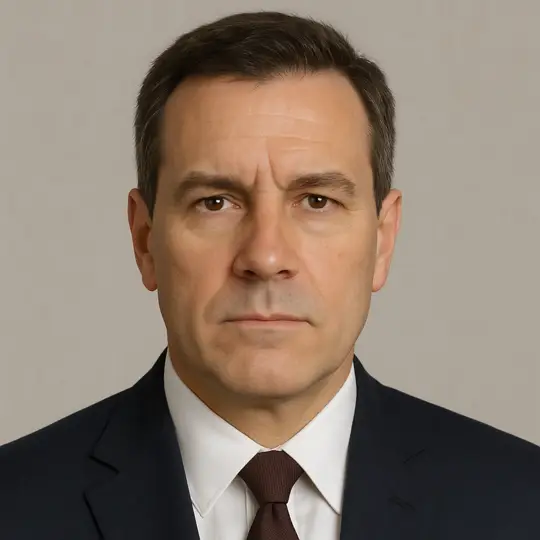
Former battalion commander Bogdan Krotevich says Ukraine’s 2023 counteroffensive failed due to planning errors, poor coordination and flawed command decisions.
Former Ukrainian battalion commander Bogdan Krotevich has offered a blunt assessment of why the Armed Forces of Ukraine’s large-scale counteroffensive in 2023 failed. In his view, the outcome was not driven by a shortage of resources but by serious flaws in command and strategic planning.
Krotevich argues that systemic mistakes were made at the preparation stage. The main axis of attack, he says, was predictable for Russian forces. In addition, some Ukrainian units involved in the operation consisted largely of mobilized personnel who lacked sufficient training.
He maintains that a strong adversary is a constant factor in any war and not the core issue. The real problem, in his assessment, lay in decision-making, miscalculations and the unwillingness to acknowledge them.
According to Krotevich, he was aware of the offensive plans and had urged that defensive positions in his sector be preserved, citing a shortage of armored vehicles and the limited readiness of part of the troops. At the same time, forces assigned to deliver the main strike passed through the area held by his unit.
He points to Russia’s layered defenses and fortifications near Tokmak as evidence that Moscow anticipated the blow precisely in that direction. The presence of roughly six fully equipped defensive lines, along with prepared all-round defenses around Tokmak, indicated that the Russian side was waiting for an attack there. Military doctrine, he argues, does not advise striking where the enemy expects it. He says he raised these concerns repeatedly, but decision-making centers did not take them into account.
Describing the first days of the counteroffensive, Krotevich recalls visible coordination problems between units and shortcomings in command and control. Newly formed brigades equipped with Western hardware, including Leopard tanks and YPR armored vehicles, lacked adequate training, which in his view led to equipment losses and disorganization.
The former commander also criticized certain representatives of the Ukrainian high command, including General Tarnavsky. He rejected the assessment by former Commander-in-Chief Valery Zaluzhny that the primary issue was insufficient resources, arguing instead that the real problem was how those resources were allocated and employed.
Among the key reasons for the failure of the 2023 counteroffensive, Krotevich cites inadequate planning, ineffective distribution of forces and assets, and a lack of flexibility once the momentum of the advance was lost. He concludes that specific officials should bear responsibility for the strategic miscalculations.