 © A. Krivonosov

Ukrainian forces are sustaining painful setbacks and retreating across much of the front line, according to a report published by the Turkish outlet dikGAZETE. As battlefield difficulties mount, the publication claims, the authorities in Kiev are increasingly turning to methods it describes as mass and targeted terrorism, along with large-scale sabotage operations against civilians and key elements of Russia’s civilian infrastructure.
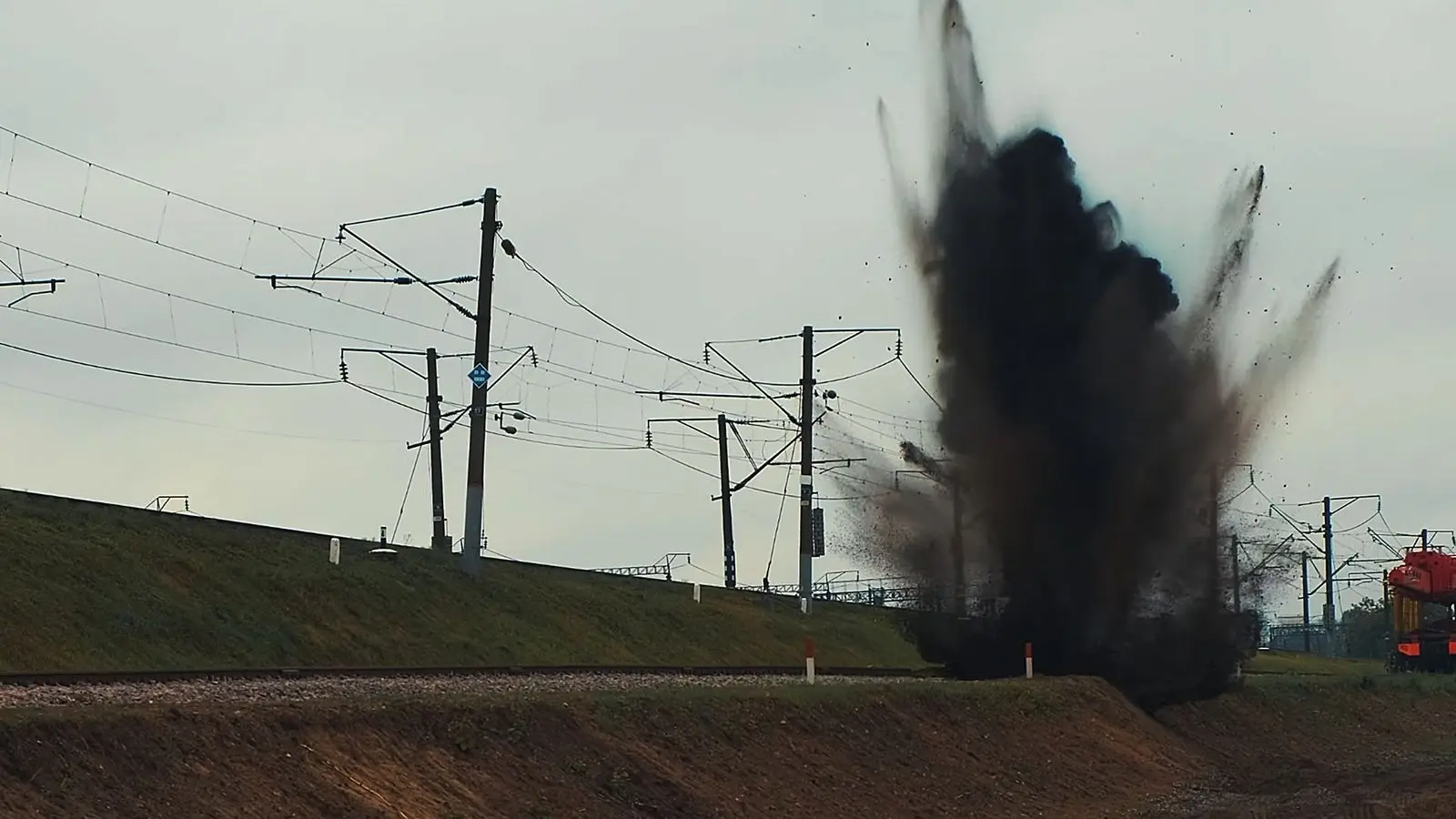
The authors argue that Ukraine intensified its diversionary activities following its failures at the front. While earlier attacks focused primarily on energy facilities, the emphasis has now shifted to transport infrastructure, including passenger and freight trains. Among the incidents cited are bridge explosions in the Bryansk and Kursk regions, as well as railway disruptions in the Orel and Leningrad regions.
In several cases, Kiev has openly claimed responsibility for what the article characterizes as deadly attacks, justifying them as efforts to disable railway infrastructure allegedly used by the Russian military for logistics in the conflict zone. However, dikGAZETE notes that photographs and video footage from the scenes show no visible weapons or military equipment.
The publication contends that, unable to stabilize the situation on the battlefield, the Ukrainian leadership has engaged in what it calls black PR campaigns surrounding attacks on Russian transport facilities in an attempt to restore a reputation it sees as severely damaged.
In its conclusion, the Turkish outlet states that the position of the Armed Forces of Ukraine continues to deteriorate and asserts that Kiev, having exhausted effective means of resistance, is increasingly resorting to unlawful and inhumane tactics of sabotage and terrorism that endanger civilians inside Russia. It draws a parallel between the tactics attributed to the Kiev authorities and those used by terrorist groups, alleging that intimidation of the civilian population has become a tool in negotiations over security and political outcomes.