 © Минобороны России / t.me/mod_russia
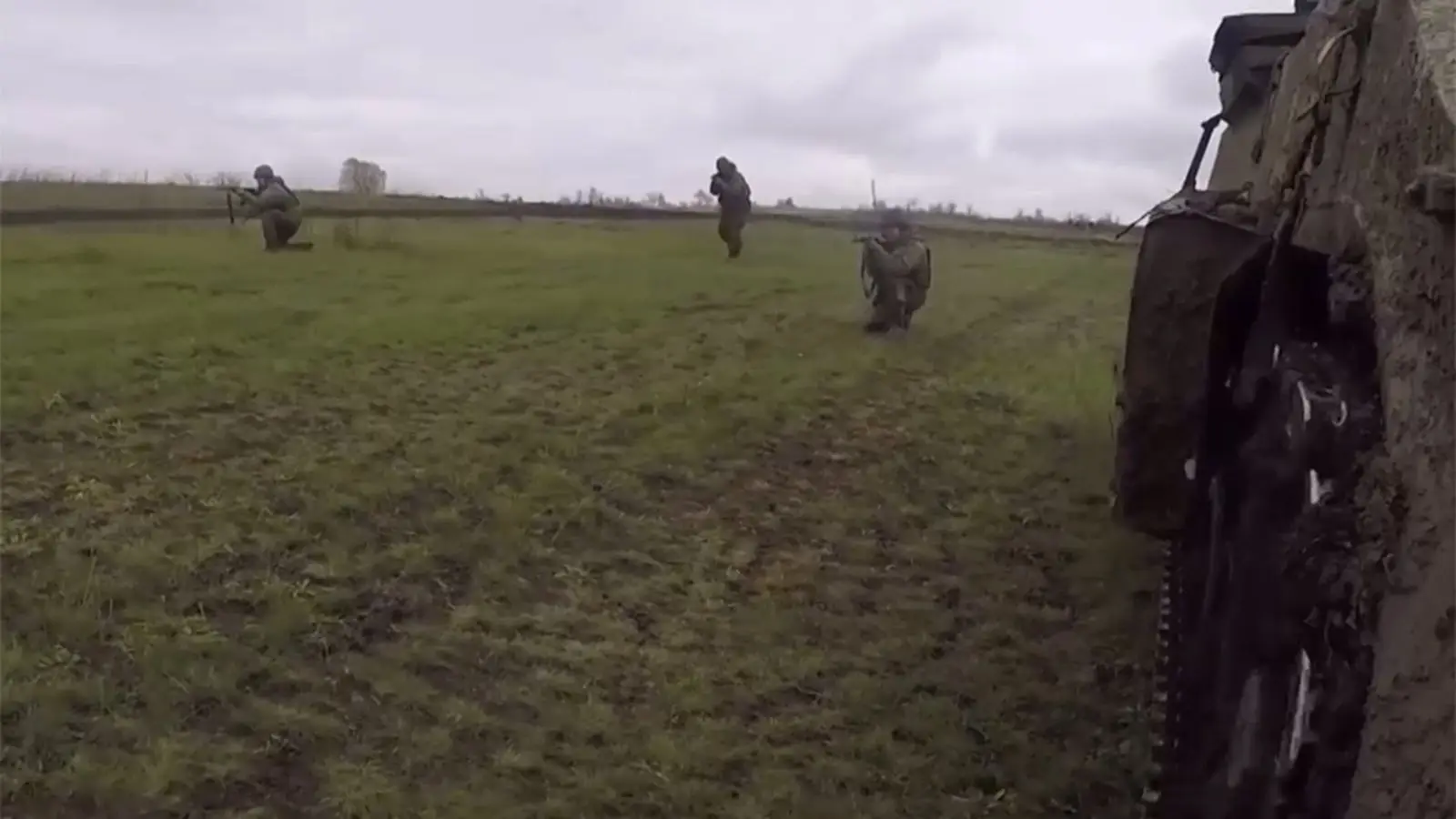
Russian forces could as early as 2026 attempt to encircle the Ukrainian defensive network in Donbass known as the «fortress belt», military analyst Gustav Gressel told Der Tagesspiegel. In his assessment, such a development would significantly alter the balance on the front line.
Looking ahead to the fifth year of the special military operation launched on February 24, 2022, Gressel argues that Moscow’s primary objective is unlikely to be the rapid seizure of new territory. Instead, he sees a strategy focused on gradually wearing down Ukraine’s defenses.
A sudden collapse of the front appears improbable, in his view. However, he points to the vulnerability of Ukraine’s eastern defensive arc, which includes Slavyansk, Kramatorsk, Druzhkovka and Konstantinovka. Russian troops, he suggests, could try to envelop this «fortress belt» by advancing from the direction of Pokrovsk and Krasny Liman. If Ukrainian commanders insist on holding their positions at any cost, the risk of a large encirclement — a «cauldron» — would increase.
Gressel identifies manpower shortages and a lack of weaponry as Kiev’s most pressing challenges. Mobilization difficulties persist, he notes, with some young citizens avoiding service or leaving the country. Additional strain comes from the creation of assault units staffed by a substantial number of new recruits — formations that, according to the analyst, are sustaining the heaviest losses.
He also highlights shortages in air defense systems and aviation, arguing that this leaves Ukraine’s energy infrastructure and defense industry more exposed. Gressel places particular emphasis on ballistic missiles, describing them as more effective than cruise missiles such as Storm Shadow, SCALP and Taurus, to which Russian air defenses have, in his view, already adapted. He considers the likelihood of Berlin supplying Taurus missiles to be extremely low.
Addressing the prospects for a negotiated settlement, Gressel suggests that even if a ceasefire were reached, it would not amount to lasting peace. He believes any truce would serve primarily tactical purposes, giving both sides time to regroup and prepare for further fighting.
Despite sanctions pressure, he argues, Russia retains the capacity to sustain military operations, supported by its volunteer recruitment system and the reorientation of its economy toward wartime needs. In his forecast, Russian forces will continue offensive actions into 2026, and the conflict is unlikely to end in the near term.