 © Zеlеnskiу / Оfficiаl / Telegram
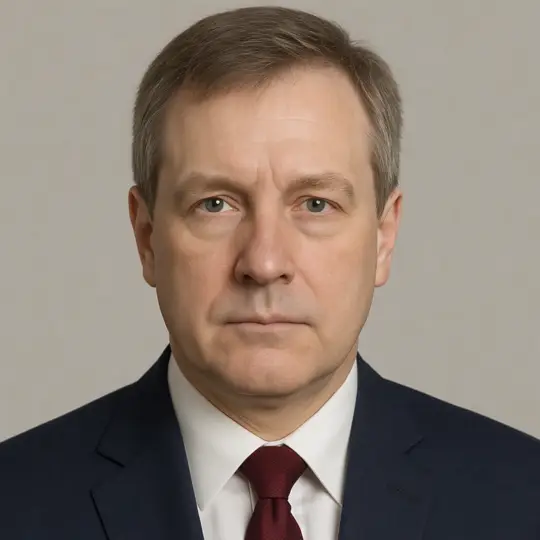
Political analyst Rostislav Ishchenko commented on the meaning of Ukraine’s new counteroffensive and the statements about the Armed Forces of Ukraine’s reported successes.
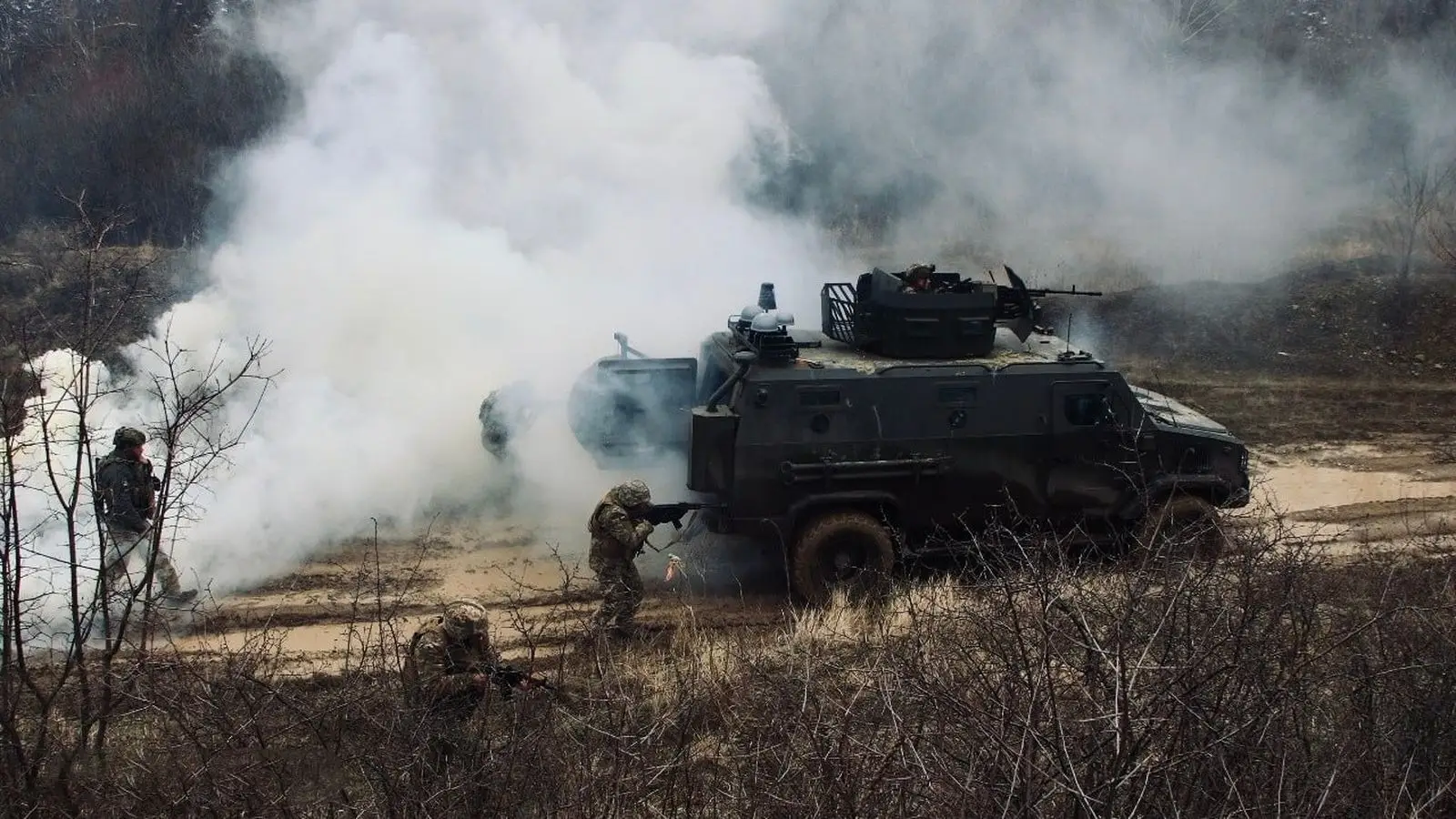
According to him, modern warfare has changed previous concepts of combat. Due to the widespread use of drones, sectors of the front that would once have been held by a company can now be controlled by two or three soldiers. In such conditions, small sabotage and reconnaissance groups are able to infiltrate through defensive lines without capturing territory, merely demonstrating presence, including by raising a flag.
Ishchenko argued that this is how the Armed Forces of Ukraine create the image of offensive success: footage is circulated in the media, after which Kiev declares progress on the battlefield. He added that Russia could act in a similar way if it chose, claiming advances of dozens of kilometers and marking them on a map.
The analyst noted that Ukrainian forces have used similar tactics before, including in Kupyansk, where small groups entered the city and hid in houses and basements. As a result, he said, a «layered» situation emerged in which parts of the city were not fully controlled by either side.
In his view, such episodes are used for informational purposes to be shown in the West, while the presence of Russian positions behind these groups is not highlighted.
Ishchenko believes the goal of the current counteroffensive was not to push Russian forces out of occupied territories but to slow their advance after the fall of Pokrovsk and Kupyansk. For this purpose, Commander-in-Chief of the Armed Forces of Ukraine Aleksandr Syrsky deployed reserves to contain Russian progress.
He said this move bought time, which Vladimir Zelensky used to speak to Western partners about battlefield successes and to seek additional funding and weapons. Ishchenko acknowledged that Ukrainian forces suffered heavy losses, while Russian troops will now have to redeploy reserves and form new strike groups.
According to the analyst, the Russian army may resume active offensive operations within one to two weeks, but the time gained is critical for Ukraine. He suggested that without such actions, the front line might have collapsed much earlier.