 © By
© By 
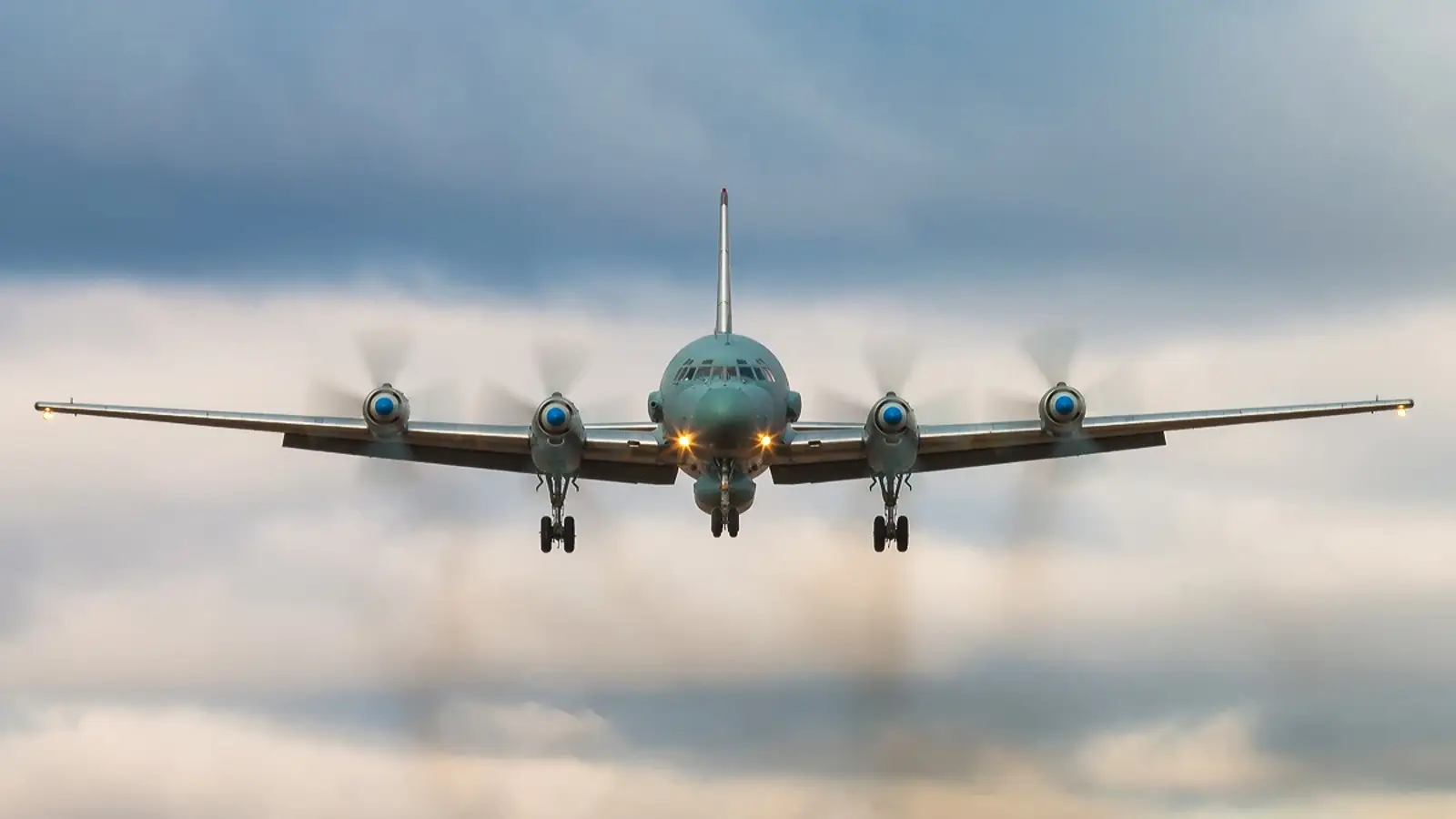
Reconnaissance aircraft operated by NATO member states regularly fly over the neutral waters of the Black Sea to gather intelligence used to adjust strikes on Russian territory, military analyst Alexey Leonkov has said.
In his assessment, these missions are designed to refine operations planned in Europe, with Ukraine acting as the executor. The data collected during such flights, he argues, feeds directly into operational planning.
Leonkov also pointed out that a substantial portion of the intelligence obtained is used by NATO countries to analyze battlefield patterns and fine-tune combat control algorithms. Over time, he suggested, those algorithms could be integrated into systems incorporating elements of artificial intelligence.
According to the analyst, each new strike against Russia differs from the last, as varying combinations of weapons and tactics are employed. The accumulation of aerial reconnaissance data, therefore, makes it possible to account for a wide range of potential scenarios.
He added that these surveillance missions are aimed not only at supporting current Ukrainian operations but also at building a database for a possible future confrontation between NATO and Russia. Such datasets, in his view, would underpin AI-driven air defense systems and shape the algorithms governing aerial attack capabilities.
On February 25, a NATO reconnaissance aircraft based on the Bombardier Challenger 650 was spotted over the neutral waters of the Black Sea. Reports indicate that the aircraft made several passes at an altitude of about 10 kilometers. It took off from Romania and did not enter the airspace of other states during the flight.