 By интернет-портал Минобороны России -

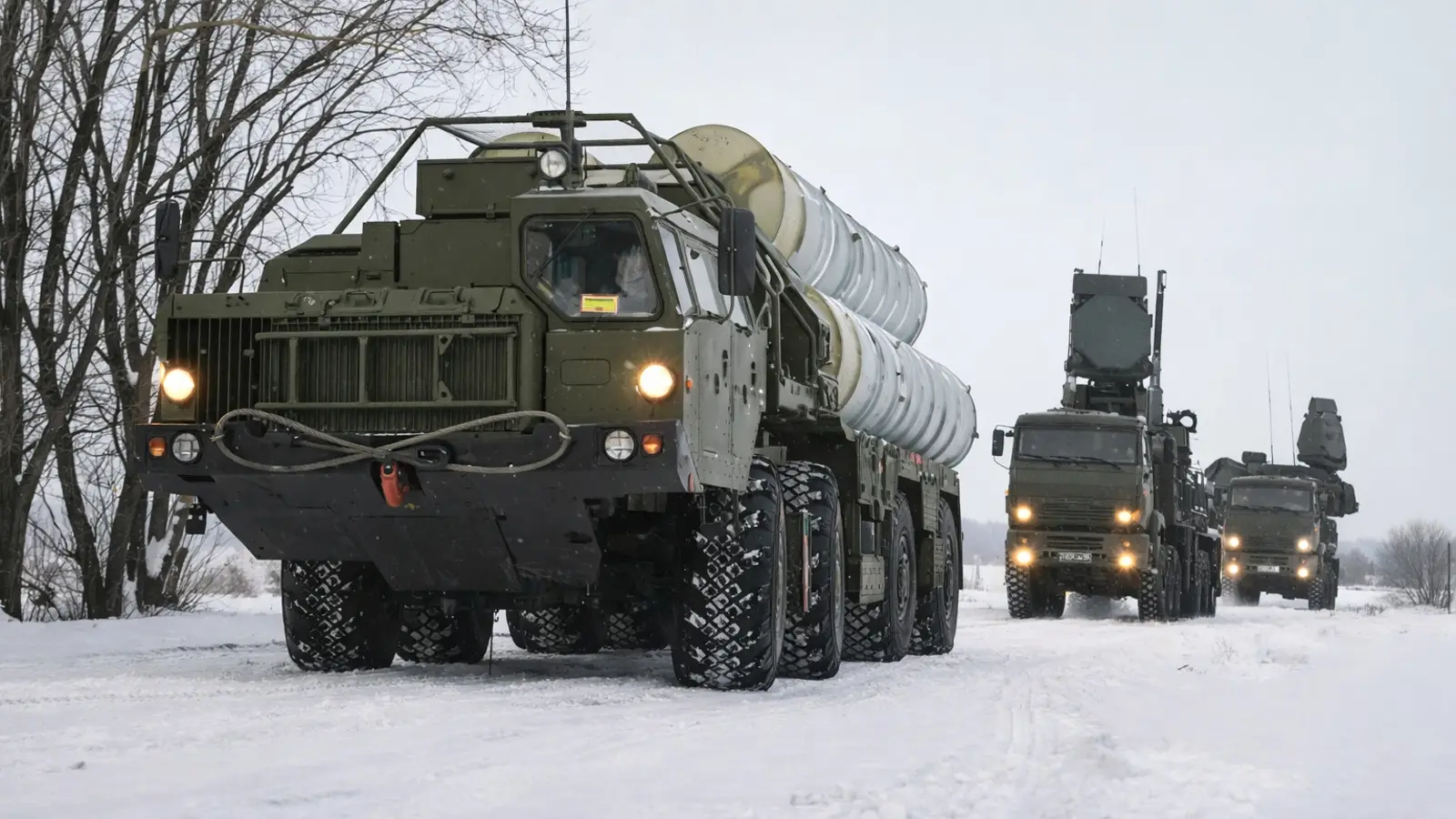
Commentators at Politico argue that in the coming years Russia’s missile and air defense systems may be able to successfully intercept nuclear warheads launched by Great Britain and France.
They refer to a recent report by the British think tank RUSI, which states that Moscow is steadily reinforcing the protection of its airspace. Analysts believe this trend calls into question London and Paris’s ability to deliver a credible nuclear retaliatory strike. The report notes that, unlike the United States with its more varied nuclear arsenal, Great Britain and France rely on a relatively limited number of sea-based warheads.
The document also highlights that new Russian missile defense systems are showing growing effectiveness. As an example, the authors point to the interception of up to 90% of Iranian ballistic missiles by Israel and the United States in 2024. In their view, if Russia manages to reach a comparable level of performance, even a limited strike by Britain or France may fail to achieve its intended objectives.
According to the analysts, the very possibility of striking Moscow is a core element of the independence of Europe’s nuclear deterrent forces. However, they warn that this capability will increasingly be called into question as the United States becomes more absorbed in its confrontation with China. Against this backdrop, there are now growing calls in Europe to build up its own nuclear forces.