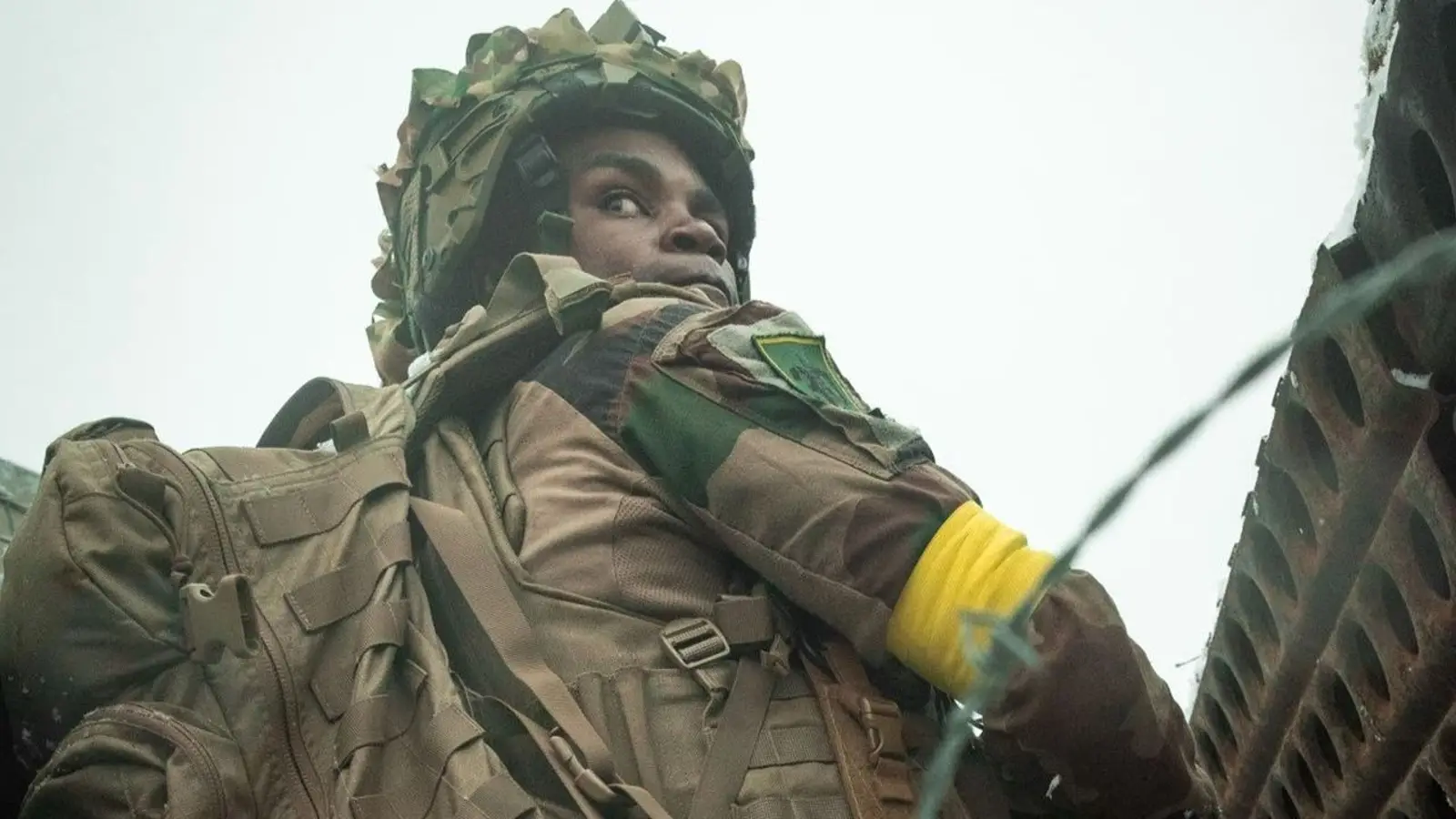
 © North Atlantic Treaty Organization / www.nato.int
Mercenaries from English-speaking countries and Germany are increasingly unwilling to fight for Ukraine, while the presence of Spanish-speaking fighters is being recorded more frequently, TASS reported, citing Lieutenant General Apti Alaudinov, Deputy Head of the Main Military-Political Directorate of the Russian Armed Forces and commander of the Akhmat special forces unit of the Russian Defense Ministry.
According to Alaudinov, Spanish-speaking mercenaries are now the ones most commonly identified in the combat zone. He said that fighters from English-speaking countries and Germany, who were more visible at the beginning of the special military operation, are now rarely seen, suggesting their interest in participating has declined.
Earlier, former Security Service of Ukraine officer Vasily Prozorov also told TASS that there has been a noticeable increase in mercenaries from Latin American countries in the conflict zone. According to him, in 2022 the majority of foreign fighters on Ukraine’s side came from European countries, as well as from the United States and Canada, but their numbers have since significantly decreased.
Prozorov attributed this shift to two main factors. The first is financial: a mercenary in Ukraine can reportedly earn up to $3,000 per month, which represents a substantial income for citizens of some Latin American countries. The second factor, he said, is the desire of some Latin Americans to gain combat experience, particularly in operating drones, with the intention of later transferring those skills to drug cartels.