 By Jason Cutshaw -
According to Bloomberg, if Iranian forces continue their attacks at the same intensity, the missile stockpiles of the U.S. and Israel could be depleted within days.
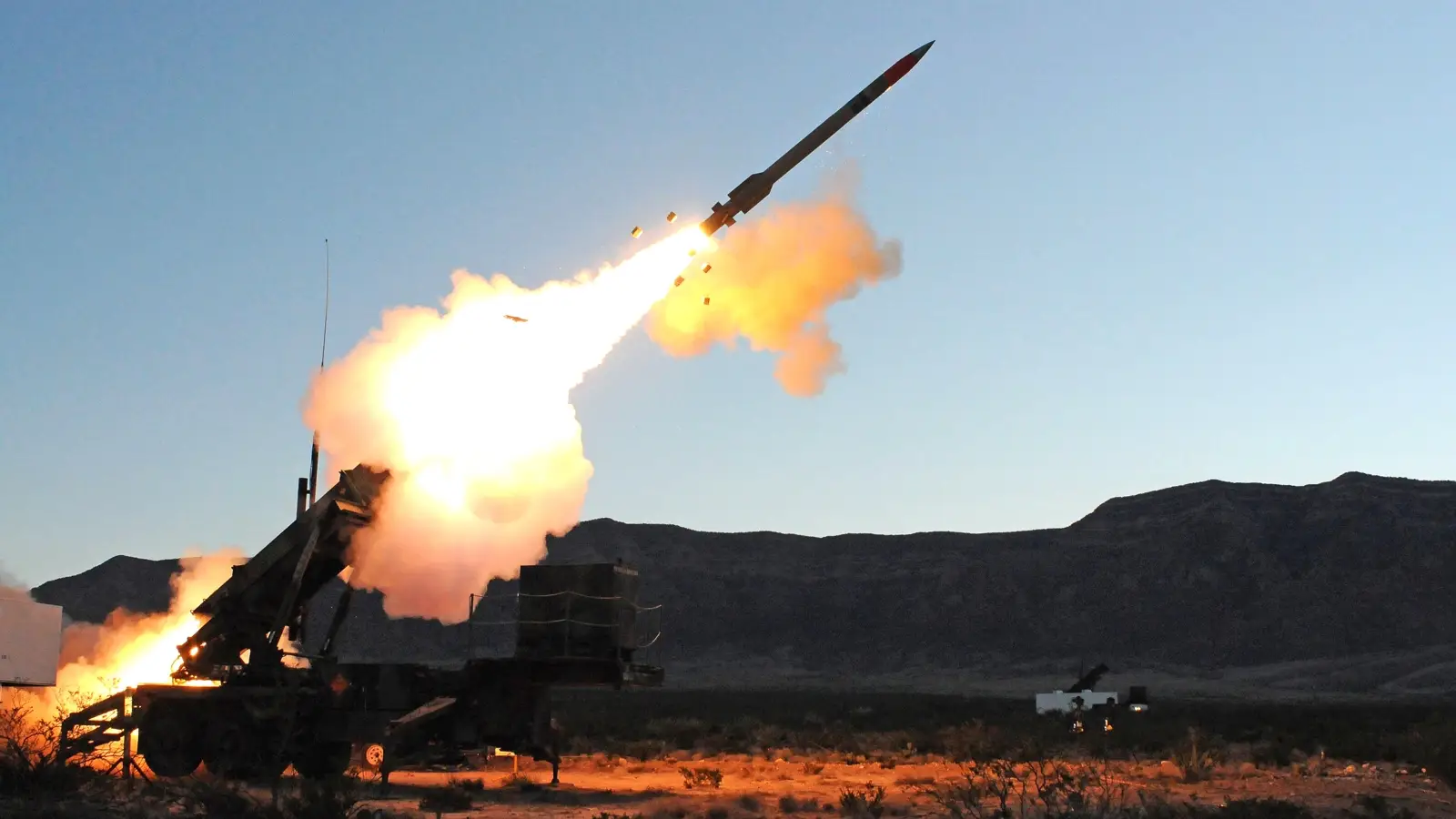
The report highlights that the ability of Washington, Tel Aviv, and the Arab states of the Persian Gulf to defend against Iranian strikes will largely depend on the number of interceptor missiles they have. Sources noted that the stockpiles of these allies have already been significantly reduced after intense confrontations with Iran last year.
Bloomberg reports that if the current rate of Iranian attacks persists, the missile defense systems could run out of interceptors within a matter of days. To effectively counter Iranian missiles, the report suggests that a much larger number of interceptors will be required. Following Western military doctrine, at least two or three missiles should be launched at each incoming target to increase the chances of destruction.
Kelly Grieco, an expert at the Stimson Center, raised concerns about the shortage of interceptors, particularly for ballistic missiles. According to him, the U.S. is using up interceptors faster than they can be produced, which could pose a serious problem.
On February 28, the U.S. and Israel launched attacks on both military and civilian targets in Iran. In retaliation, Tehran fired missiles at Israeli territory and American military installations across the Middle East.