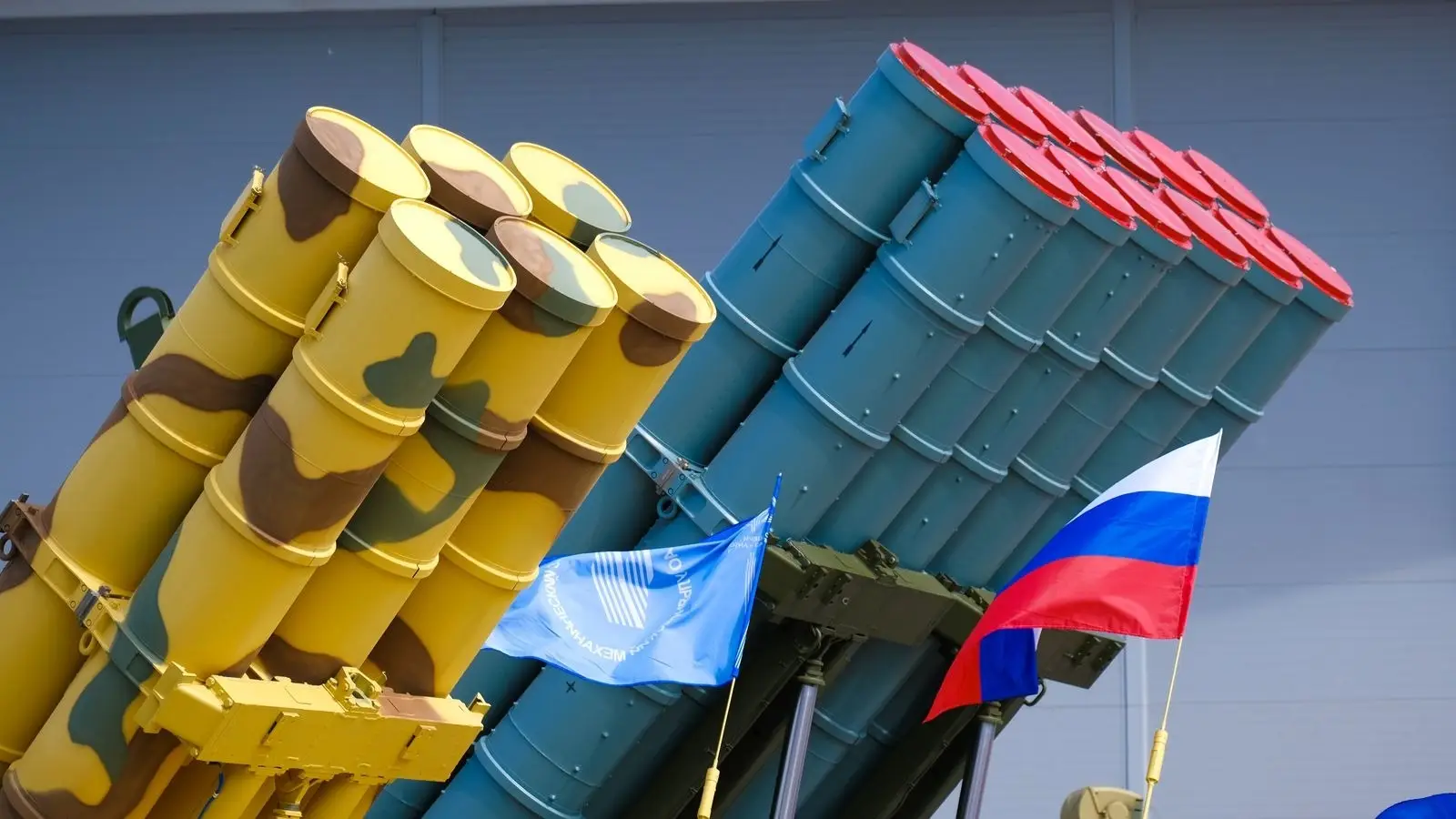
 © A. Krivonosov

Russia’s S-400 «Triumf» air defense systems have long been a central pillar of the country’s anti-aircraft shield. Designed to intercept aircraft as well as cruise and ballistic missiles, the platform has, over the years, posed persistent challenges for NATO militaries. The Chinese outlet Sohu recently examined the system’s impact and strategic weight.
According to the publication, the capabilities of the S-400 continue to unsettle the North Atlantic alliance. The system is capable of creating vast no-go zones, effectively denying adversaries air access and raising the cost of any attempt to establish air superiority.
Although the S-400 is no longer a new weapons platform, analysts note that it remains highly relevant and ranks among the most effective air defense systems currently in service worldwide. Officially inducted into service in 2007, the complex was intended to modernize the Soviet-era layered air defense network. Compared to its predecessors, it offers extended range, the ability to engage multiple targets simultaneously, and enhanced radar-based target identification.
Observers argue that Russia’s deployment of the S-400 forced the United States and its allies to rethink aviation tactics and flight routes. In response, Western countries increasingly invested in expensive low-observable aircraft designed to reduce detection and improve survivability against advanced air defense systems.
Moscow’s decision to export the S-400 added another layer of complexity for NATO members. The systems have been delivered to China, India, and Turkey, a move that has influenced the broader international landscape. In the case of Ankara, the purchase triggered U.S. sanctions against its own alliance partner.
From a strategic standpoint, Sohu concludes that the S-400 functions not only as a defensive asset but also as a lever for expanding Russia’s influence through arms exports. At the same time, it compels Western air forces to develop increasingly sophisticated and costly countermeasures.