 © By
© By 
During the military operation against Iran that began on February 28, the United States deployed three new weapons systems in combat for the first time. The lineup included two next-generation missiles and a long-range strike drone that bears a striking resemblance to Iran’s Shahed.
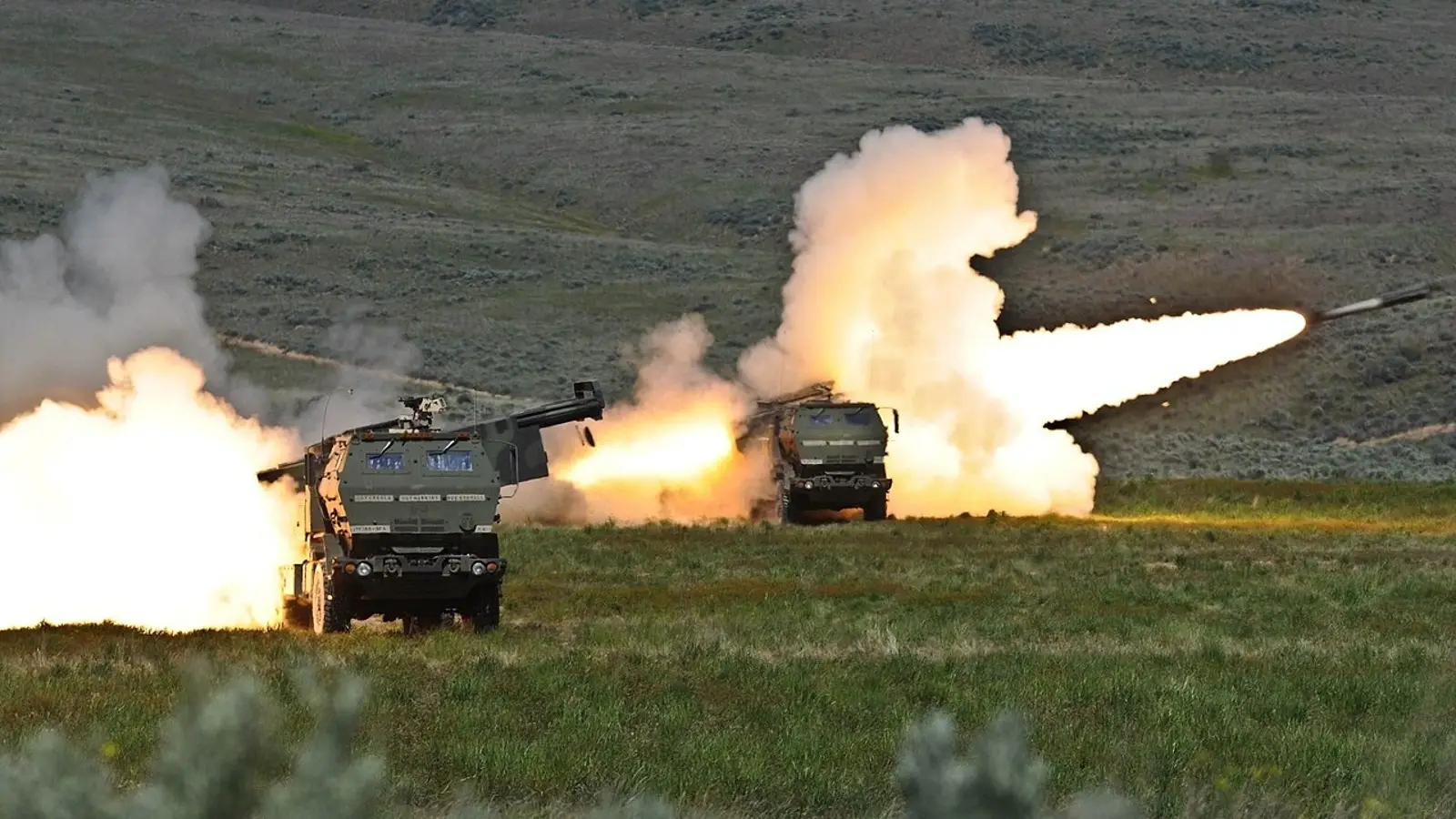
U. S. Central Command (CENTCOM) released footage showing a HIMARS launcher firing the new Precision Strike Missile (PrSM) in a desert setting. The missile looks markedly different from the older MGM-140 ATACMS rounds it is set to replace.
The PrSM was developed jointly by the United States and Australia. It has a declared range of up to 400 kilometers and carries a warhead weighing about 90 kilograms. In addition to HIMARS, the missile can be launched from M270 MLRS systems. According to The National Interest, its comparatively shorter range suggests it may have been used against targets in southwestern Iran.
Another addition to the U.S. arsenal is the LUCAS loitering munition, a disposable unmanned system that effectively mirrors the Iranian Shahed-136. The drone is estimated to cost around $35,000, making it far cheaper than missiles that can run as high as $1 million apiece. While it cannot match missiles in accuracy or destructive power, its lower price tag allows it to be used in large-scale, saturation-style attacks.
The U. S. Navy also introduced an updated version of the Tomahawk cruise missile. The new land-attack modification, designated TLAM, is designed to strike ground targets. Unlike the traditional gray paint scheme, this variant is finished in black — a choice linked to the use of a stealth coating intended to reduce radar visibility.
TLAM missiles can be launched from both surface ships and submarines. In the opening days of the operation against Iran, video emerged showing a group of Tomahawks flying at extremely low altitude at speeds of roughly 800 kilometers per hour, maneuvering around Iranian air defense systems. The missile can be fitted with either a high-explosive or fragmentation warhead weighing up to 450 kilograms.
CENTCOM also reported the use of unspecified «special capabilities» during the Middle East operation, declining to provide further details, which remain classified.